
Tanker Rates Hit Record Highs as Iran War and Houthi Gains Disrupt Global Shipping
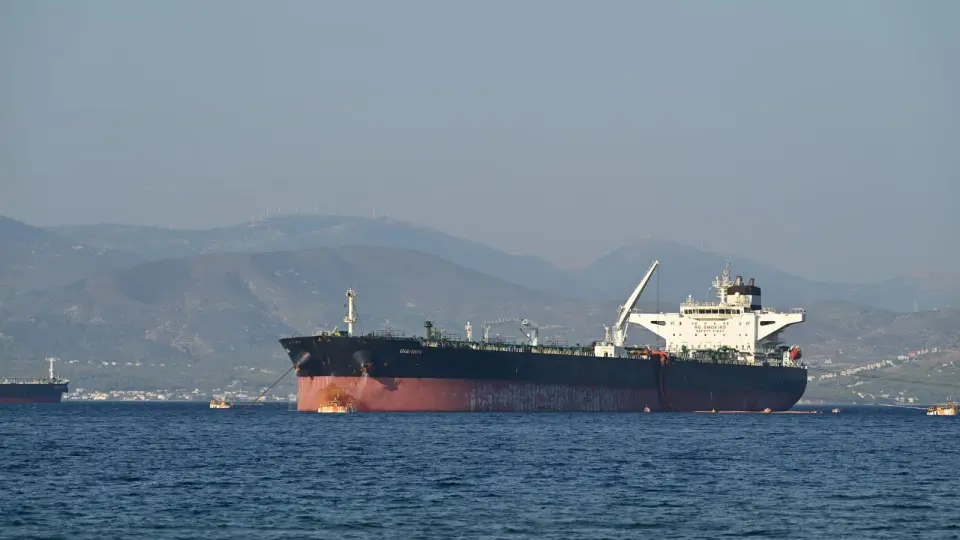
The Breakwave Tanker Shipping ETF has surged 3,600% year-to-date, becoming the top-performing non-levered U.S. fund, as the U.S.-Iran conflict and Houthi advances in Yemen severely disrupt oil shipping routes. VLCC spot rates have doubled in a month, reaching over $1 million per day, driven by vessel shortages, rerouted trade, and geopolitical risk premiums. Experts warn that while rates may eventually fall, the current crisis is unlikely to resolve quickly due to structural supply constraints and ongoing hostilities.
Key points
- The Breakwave Tanker Shipping ETF (BWET) is up approximately 3,600% year-to-date, making it the best-performing non-levered fund in the U.S. as of early September 2026.
- VLCC spot rates for the Middle East Gulf-China route reached over $1 million per day, doubling in just one month, with some fixtures generating more than $20 million in profit per voyage.
- The U.S.-Iran conflict, which began in February 2026, has made the Strait of Hormuz extremely dangerous, forcing ships to use inefficient shuttle tanker and Red Sea detour routes.
- Houthi rebels seized the Yemeni port of Mokha in late September 2026, threatening Red Sea shipping lanes, while Saudi Arabia shut down its East-West pipeline after drone attacks from Iraq.
- China has resumed aggressive chartering to rebuild crude inventories, tightening the global tanker market further, while air freight rates also rose 18.1% year-over-year in August 2026.
Background
The U.S.-Iran conflict began in February 2026, leading to significant oil price spikes and supply chain disruptions. In August 2026, brief hopes for a Hormuz reopening emerged, but hostilities resumed. By late September 2026, the situation deteriorated further with Houthi gains in Yemen and attacks on Saudi infrastructure, exacerbating the tanker shortage and driving freight rates to historic highs.
How outlets are covering it
CNBC highlights the extreme performance of the Breakwave Tanker Shipping ETF, noting its 3,600% gain and the fund's narrow focus on tanker futures. Lloyd's List provides detailed market data, showing VLCC rates exceeding $1 million per day and attributing the surge to fleet inefficiencies, Sinokor's market consolidation, and Chinese demand. Splash247 emphasizes the broader systemic risk, noting that 18 shipping nations warned of a fragmenting global maritime rulebook and that container ship queues are now larger than during the pandemic. All sources agree that the crisis is driven by geopolitical weaponization of trade routes, but differ in emphasis: CNBC focuses on investment returns, Lloyd's List on market mechanics, and Splash247 on structural fragility.
Why it matters
The tanker crisis is driving inflation in petrochemicals and feedstocks, affecting global manufacturing costs. The extreme freight rates are reshaping trade routes, forcing companies to reroute shipments and absorb higher costs. The situation highlights the vulnerability of global supply chains to geopolitical shocks and the potential for prolonged economic disruption if hostilities continue.
What to watch
Experts expect freight rates to remain elevated for at least 18 to 36 months, as new vessels are not expected to enter the market until then. Diplomatic progress between the U.S. and Iran remains elusive, and any de-escalation could lead to a rapid drop in rates. The long-term outlook depends on the resolution of the Iran conflict and the pace of new vessel deliveries.
- Up 3,600%, this freight fund has posted the biggest gains of all on Iran war oil shock CNBC
- Oil tanker rates hit record highs following Iran, US shipping attacks Reuters
- Why VLCC rates just went ballistic and how they could go even higher Lloyd's List
- Splash Wrap: The risk premium Splash247
- Argus english.elpais.com
Want the full story? Read the original reporting
Read on CNBC