
HHS Secretary Kennedy Jr. Bypasses FDA Safeguards to Allow Sale of Six Unapproved Peptides
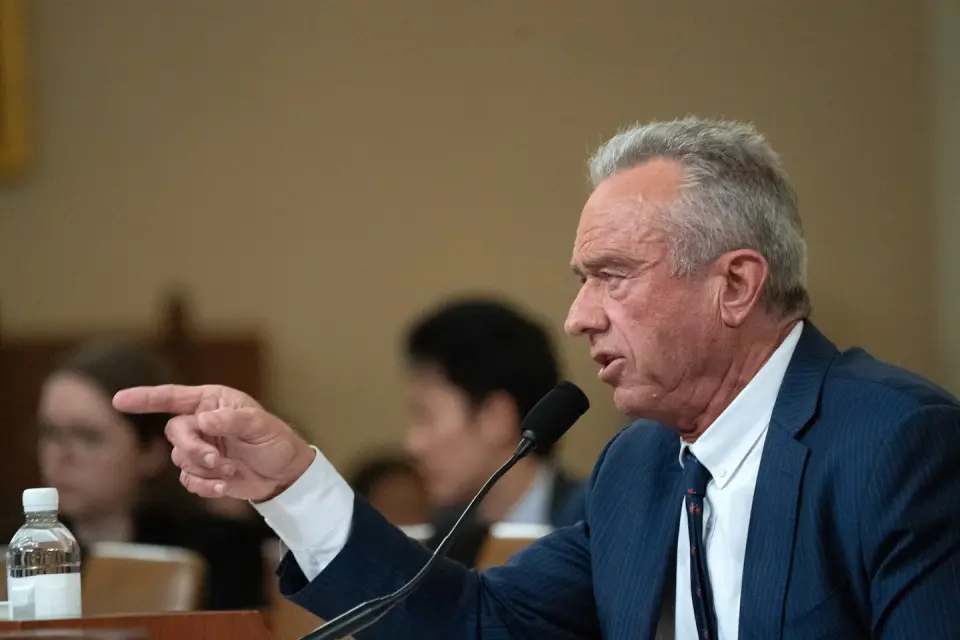
HHS Secretary Robert F. Kennedy Jr. has issued a temporary 'enforcement discretion' policy allowing small compounding pharmacies to produce and sell six unapproved peptides, bypassing standard FDA safety and efficacy reviews. The move, which covers compounds like BPC-157 and Epitalon, aims to shift consumers away from illicit gray-market imports but has drawn sharp criticism from scientists and public health advocates who warn it undermines regulatory standards and exposes patients to untested substances.
Key points
- HHS announced 'enforcement discretion' for six peptides (BPC-157, Epitalon, KPV, MOTS-c, Semax, TB-500), allowing 503A compounding pharmacies to produce them without facing federal action.
- The policy bypasses standard FDA approval processes, including placebo-controlled trials and cancer or birth defect testing, relying instead on the argument that regulated compounding is safer than illegal 'research-use-only' imports.
- Critics note that FDA scientists previously recommended against lifting restrictions due to insufficient evidence, while Kennedy’s advisory panel included members with financial ties to the peptide industry.
- Industry supporters argue the move creates a more accountable supply chain, while opponents warn it may increase harm from untested substances and discourage rigorous clinical trials.
- The policy applies only to small 503A compounding facilities, not larger 503B outsourcing facilities, potentially limiting supply to meet high consumer demand.
Background
This development follows months of debate within the Trump administration regarding the 'Make America Healthy Again' (MAHA) initiative. In July 2026, an FDA advisory panel voted to expand access to these peptides, though the panel’s composition raised conflict-of-interest concerns. Earlier in October, the White House proposed the temporary policy, which was finalized and published in the Federal Register on October 28, 2026, with final publication set for October 30.
How outlets are covering it
Proponents, including the Alliance for Pharmacy Compounding and wellness industry figures, view the policy as a necessary step to bring unregulated gray-market products under pharmacy oversight and adverse event reporting. They argue it improves safety by replacing sketchy overseas suppliers with regulated compounding. Conversely, critics such as Public Citizen, the Partnership for Safe Medicines, and FDA scientists argue the move is a unilateral bypass of essential safety standards. They emphasize that the lack of human clinical trials means potential harms are unknown, and they warn that the policy could set a dangerous precedent for other unapproved drugs. Ars Technica highlights that Kennedy stacked the advisory committee with industry allies, while The New York Times notes the policy bypasses standard safeguards for cancer and birth defect testing.
Why it matters
The decision sets a significant precedent for how the administration handles unapproved medical products, potentially weakening FDA enforcement authority. It directly impacts patient access to popular but unproven wellness treatments, while raising serious questions about the integrity of regulatory processes and the safety of the public from untested substances.
What to watch
Compounding pharmacies must now verify that their ingredient suppliers meet the new policy requirements before dispensing the peptides. Larger 503B facilities remain excluded from this discretion. The FDA is expected to continue monitoring adverse event reports, while critics plan to file further petitions challenging the policy’s legal basis. The final publication of the rule is scheduled for October 30, 2026.
- RFK Jr. plans to make 6 unapproved peptides available for temporary sale The Washington Post
- RFK Jr. to Allow Broad Use of Unapproved Peptide Injections The New York Times
- Trump administration will allow pharmacies to make popular peptides NPR
- US Health Secretary Kennedy opens access to some unapproved peptides Reuters
- Peptide peddlers cheer as RFK Jr. unilaterally grants access, overruling FDA Ars Technica
Want the full story? Read the original reporting
Read on The Washington Post