
HHS Draft Policy Shifts Peptide Access to Prescriptions Amid Safety Concerns
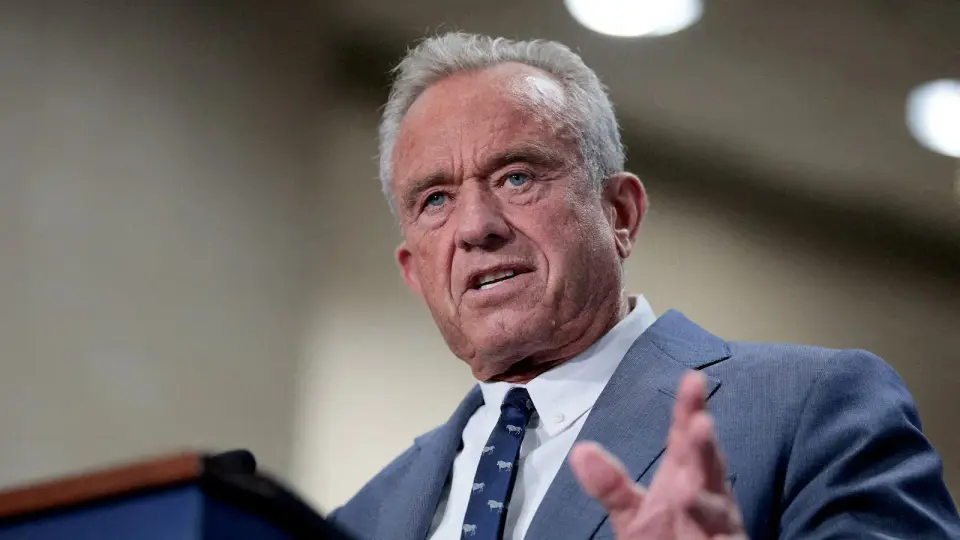
The U.S. Department of Health and Human Services (HHS) has issued a draft interim policy allowing compounding pharmacies to produce six specific wellness peptides via prescription. This move aims to reduce reliance on unregulated gray-market imports by requiring patient-specific prescriptions, traceable ingredients, and quality testing. The six peptides—BPC-157, TB-500, epitalon, MOTS-c, KPV, and semax—are not FDA-approved and lack clinical evidence for safety or efficacy in humans. While HHS argues this provides a safer alternative to illicit sellers, critics warn that bypassing standard FDA approval exposes patients to untested substances. The policy includes a 14-day comment period before a final rule is issued, with HHS stating it will not take enforcement action against state-licensed pharmacies using these ingredients.
Key points
- HHS announced a temporary enforcement discretion policy allowing compounding pharmacies to make six peptides available by prescription.
- The policy requires patient-specific prescriptions, traceable ingredients, quality testing, and safety reporting to hold compounders accountable.
- The six peptides include BPC-157, TB-500, epitalon, MOTS-c, KPV, and semax, which are promoted for tissue repair, longevity, and other conditions but lack human clinical trials.
- HHS stated the policy does not grant FDA approval or establish clinical safety and effectiveness, but aims to provide an alternative to unregulated sellers.
- A 14-day comment period will precede a final rule, with HHS indicating it will not enforce against state-licensed pharmacies using these substances.
- Critics, including FDA scientists and public health advocates, argue the move undermines regulatory standards and exposes patients to untested substances.
Background
In July 2026, the FDA’s Pharmacy Compounding Advisory Committee narrowly voted to recommend adding six peptides to the 503A bulks list, allowing compounding pharmacies to use them for specialized prescriptions. This decision followed a 2023 FDA classification of 19 peptides as unsafe for compounding, a move previously criticized by HHS Secretary Robert F. Kennedy Jr. as illegal. The current draft policy builds on this advisory committee recommendation, aiming to address the growing market for wellness peptides while attempting to mitigate risks associated with unregulated imports.
How outlets are covering it
ABC News emphasizes HHS’s focus on patient safety and the risks of black-market peptides, highlighting the requirement for prescriptions and quality testing. CNN provides a broader analysis, noting that while the policy may improve safety for those seeking prescriptions, it could increase costs for consumers previously using direct-to-consumer markets. CNN also highlights concerns from FDA scientists and public health advocates, such as Shabbir Imber Safdar of the Partnership for Safe Medicines, who argue that the policy lacks solid scientific evidence and may conflict with FDA recommendations. Conversely, industry groups like the American Peptide Association and the Alliance for Pharmacy Compounding support the move, arguing it addresses a public health threat from illicit suppliers and provides necessary regulatory clarity. CNN also notes that the policy may lead to higher prices for consumers due to increased testing and sourcing requirements.
Why it matters
This policy shift could significantly impact the availability and safety of wellness peptides in the U.S., potentially reducing reliance on unregulated gray-market imports. However, it also raises concerns about the safety and efficacy of substances lacking clinical evidence, potentially exposing patients to untested products. The outcome of the 14-day comment period and the subsequent final rule will determine the long-term regulatory framework for peptide compounding, influencing both consumer access and public health standards.
What to watch
HHS is expected to issue a final policy after the 14-day comment period, which will determine whether the six peptides are officially included on the list of ingredients that compounding pharmacies may use. Industry groups are seeking clarification on coordination with state boards of pharmacy and the effective date of the policy. The outcome will influence whether consumers can access peptides through regulated prescriptions or continue relying on unregulated markets, with potential implications for pricing and safety standards.
- Some wellness peptides will become widely available, HHS says ABC News - Breaking News, Latest News and Videos
- RFK Jr. to Allow Broad Use of Unapproved Peptide Injections The New York Times
- Peptides could soon be easier to get in the United States. Here’s what to know CNN
- US Health Secretary Kennedy opens access to some unapproved peptides Reuters
- AP report: FDA scientists opposed the Trump administration's move to ease peptides access PBS
Want the full story? Read the original reporting
Read on ABC News - Breaking News, Latest News and Videos