
Pancreatic Cancer Pill Daraxonrasib Shows Early Promise in Lung Cancer Trials
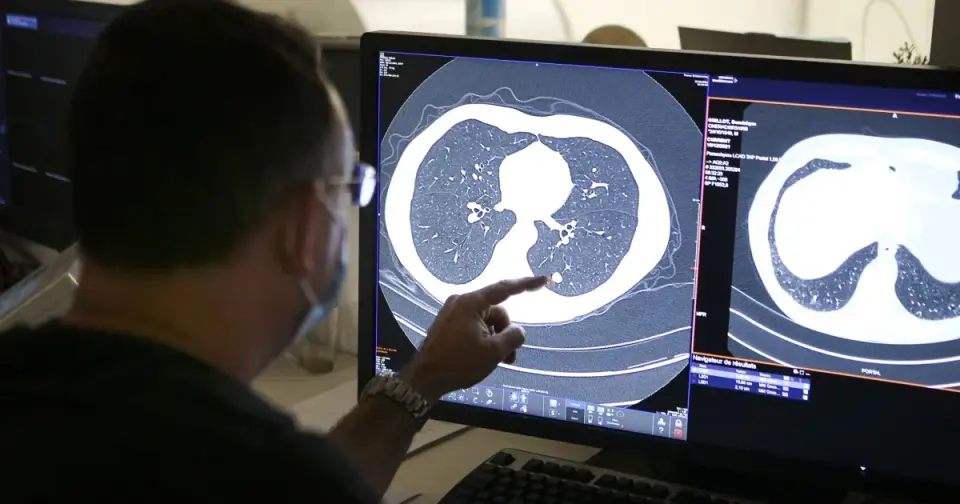
A newly approved pancreatic cancer drug, daraxonrasib (Rasonque), has shown promising results in early lung cancer trials, with one-third of patients experiencing tumor shrinkage. While the drug was recently approved for pancreatic cancer with a high price tag, its potential application in lung cancer represents a significant development for oncology.
Key points
- Daraxonrasib, approved by the FDA for pancreatic cancer, showed promising results in early lung cancer trials.
- In a Phase 1/2 trial, one-third of patients with advanced non-small-cell lung cancer saw their tumors shrink.
- The drug was approved for pancreatic cancer with a list price of $39,800 per month, raising concerns about affordability.
- Larger trials are underway to further evaluate the drug's efficacy in lung cancer.
- The FDA approved daraxonrasib for pancreatic cancer, citing it as a critical new option for patients with a historically hard-to-treat cancer.
Background
Daraxonrasib, branded as Rasonque, was recently approved by the FDA for the treatment of metastatic pancreatic adenocarcinoma. The drug, developed by Revolution Medicines, has been hailed as a groundbreaking treatment for pancreatic cancer, with trials showing a 60% reduction in the risk of death and a median overall survival of 13.2 months compared to 6.7 months for chemotherapy. The approval was seen as a major advance in the fight against pancreatic cancer, a disease with limited treatment options. The drug's high price tag of $39,800 per month has raised concerns about affordability, but various insurance and financial assistance programs are available to help patients manage costs.
How outlets are covering it
NBC News reported on the promising results of daraxonrasib in early lung cancer trials, highlighting the potential for the drug to be used in other cancers. Newswise, a research news outlet, provided details on the Phase 1/2 trial led by The University of Texas MD Anderson Cancer Center, emphasizing the drug's antitumor activity in RAS-mutant lung cancer. STAT, a health policy publication, focused on the drug's high price and the potential for more White House drug pricing deals, while Yahoo Finance detailed the drug's list price and the financial implications for patients. The outlets generally agreed on the drug's potential but differed in their emphasis, with some focusing on the clinical results and others on the financial aspects.
Why it matters
The potential application of daraxonrasib in lung cancer represents a significant development for oncology, as it could provide a new treatment option for patients with advanced non-small-cell lung cancer. The drug's success in early trials could lead to larger trials and potentially broader use in other cancers. However, the high price of the drug raises concerns about affordability and access, which could impact its widespread use. The development of daraxonrasib for lung cancer also highlights the potential for RAS-targeting therapies to be used in other cancers, which could have significant implications for the future of cancer treatment.
What to watch
Larger trials are underway to further evaluate the efficacy of daraxonrasib in lung cancer. The results of these trials will be crucial in determining the drug's potential for broader use in other cancers. Additionally, the financial aspects of the drug, including its price and the availability of insurance and financial assistance programs, will be important factors in determining its widespread use. The FDA's approval of daraxonrasib for pancreatic cancer has already raised concerns about affordability, and the potential use of the drug in lung cancer could further exacerbate these concerns.
- Newly approved pancreatic cancer drug shows promise in lung cancer NBC News
- Daraxonrasib Demonstrates Initial Antitumor Activity in RAS-Mutant Lung Cancer | Newswise Newswise
- We’re reading about drug pricing deals, a new cancer therapy approval, and more STAT
- New pancreatic cancer drug carries a $39,800 monthly list price: What to know finance.yahoo.com
- Pashtoon Kasi: Daraxonrasib Offers a New Option for Pancreatic Cancer Patients Oncodaily
Want the full story? Read the original reporting
Read on NBC News