
US 30-Year Yields Hit 5.53% as Bond Sell-Off Reaches Post-2004 Peak
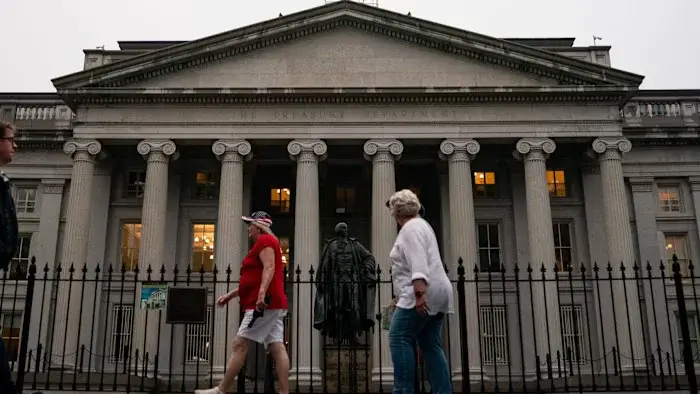
US long-term bond yields surged to their highest levels since 2004 on Friday, with the 30-year Treasury yield peaking at 5.53% before settling at 5.50%. The sell-off, driven by strong consumer sentiment data and fears of higher interest rates, marked the worst weekly performance for the 10-year yield since October 2024. Global bond markets reacted to the volatility, with German 10-year Bund yields hitting a 2009 high, while oil prices fell on geopolitical news regarding the Strait of Hormuz.
Key points
- The 30-year US Treasury yield climbed to 5.53%, a level not seen since 2004, before easing slightly to 5.50%.
- The 10-year Treasury yield rose to 5.23%, marking a monthly increase of over 0.4 percentage points, its worst performance since October 2024.
- Stronger-than-expected University of Michigan consumer sentiment data reinforced fears of a robust US economy, prompting traders to reassess Federal Reserve rate expectations.
- German 10-year Bund yields reached 3.62%, their highest level since 2009, while UK 10-year gilt yields fell slightly to 5.36%.
- Brent crude oil prices dropped 3% to $103.40 per barrel after reports that Tehran proposed a seven-day plan to reopen the Strait of Hormuz.
Background
This latest spike follows a volatile summer for global bond markets. In August, long-dated yields had already reached multi-decade highs, with the 30-year yield previously peaking around 5.32%. Although Treasury Secretary Scott Bessent’s increased bond buyback program in late August temporarily eased stress, pushing yields down to 5.20%, the market has since reversed course. Recent analysis suggests that rising real yields, rather than inflation expectations, are the primary driver, fueled by heavy government borrowing and strong economic growth.
Why it matters
The surge in long-term borrowing costs signals a fundamental shift in global financial conditions, potentially increasing mortgage rates and corporate financing costs. The volatility highlights investor anxiety about the Federal Reserve’s policy path and the sustainability of current debt levels, with ripple effects observed in European markets and energy prices.
What to watch
Market participants will monitor the impact of the recent oil price drop and geopolitical developments in the Middle East on inflation expectations. The 'enormous wipeout in positioning' noted by TD Securities suggests potential for continued volatility as investors adjust to higher rate thresholds. Watch for further moves in the 10-year yield, which is on track for its worst month since 2024.
Want the full story? Read the original reporting
Read on Financial Times