
Midterm Shifts Threaten AI Data Center Expansion, Exposing Vulnerabilities in OpenAI's Strategy
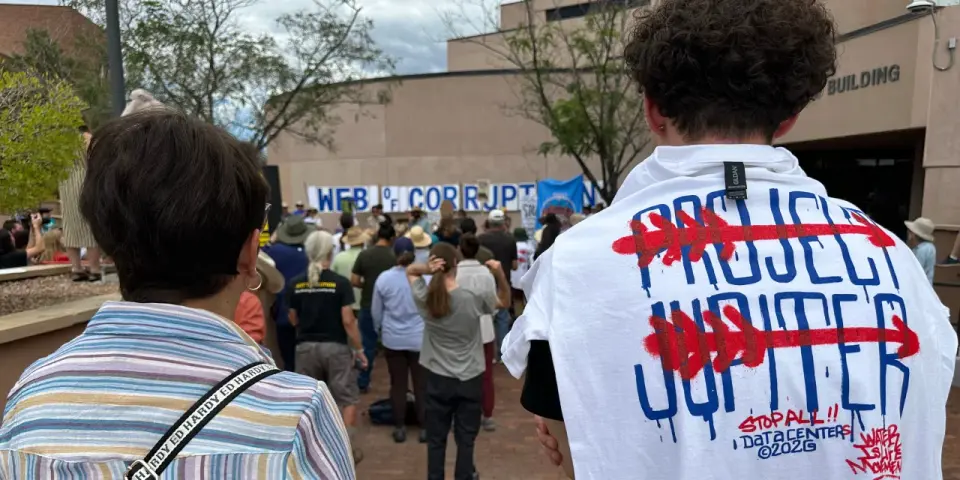
The 2026 US midterm elections have intensified opposition to AI data center construction, with voters approving dozens of local measures to restrict development. Newly elected Democratic officials in key states have pledged to impose moratoriums or stricter regulations, creating significant uncertainty for tech companies. While large hyperscalers like Microsoft and Amazon are better positioned to navigate these challenges due to their capital reserves, smaller firms and those concentrated in hostile states face higher risks. Analysts expect delays and new rules rather than a complete halt, but the political shift marks a major setback for the industry's rapid expansion plans.
Key points
- Voters approved approximately 40 local measures constraining data center construction, with 46 of 47 initiatives rejecting expansion.
- Newly elected Democratic governors in states like Texas, Ohio, and Kansas have pledged to impose moratoriums or require stricter guardrails for data center projects.
- OpenAI is particularly vulnerable, as all its planned 14-gigawatt data center capacity is located in states with governors supporting development pauses.
- Hyperscalers like Amazon, Microsoft, Alphabet, and Meta are better positioned to navigate regulatory hurdles due to their strong capital positions and existing infrastructure.
- Analysts expect the outcome to be delays and new regulations rather than a wholesale halt to the data center boom.
Background
The 2026 midterms marked a significant shift in US politics, with Democrats gaining control of Congress and key governorships. This followed growing public backlash against AI data centers, driven by concerns over electricity costs, environmental impact, and community livability. Earlier polls showed voters linking Big Tech tax breaks to AI risks, and companies like SoftBank had already reported losses tied to data center writedowns. The election results amplified these concerns, with data centers becoming a central issue in many campaigns.
How outlets are covering it
The Wall Street Journal emphasizes the vulnerability of companies like OpenAI, which have concentrated their data center plans in states with new Democratic leadership. CNN highlights the grassroots opposition and the ongoing fight by activists to hold new officials accountable, noting that the fight is not over despite the Democratic victory. Yahoo Finance, citing Bill Ackman, argues that hyperscalers like Amazon and Microsoft are better positioned to benefit from any slowdown, as they have the capital and existing capacity to outlast competitors. EC&M provides a more balanced view, noting that while there will be delays and new rules, the data center boom is not expected to end entirely, with project fundamentals like tenant credit playing a key role in determining which projects proceed.
Why it matters
The shift in political landscape poses a significant risk to the AI industry's rapid expansion plans, potentially delaying projects and increasing costs. Companies with concentrated infrastructure in hostile states face higher risks, while those with diversified portfolios and strong capital positions may be better insulated. The outcome will influence the pace of AI development and the competitive dynamics among tech companies.
What to watch
Newly elected officials are expected to implement moratoriums or stricter regulations on data center construction in the coming months. Activists will push for greater transparency and community benefits, while tech companies will assess their exposure and adjust their strategies. The impact on the AI industry's growth and the competitive landscape will depend on how these regulations are enforced and how companies adapt.
- Big Tech Needs to Spread Its Bets on Data Centers WSJ
- AI data center opponents are cheering midterm results, but they say the fight isn’t over | CNN Business CNN
- If a Data Center Moratorium Is Coming, Bill Ackman Just Explained Who Stands to Benefit Most Yahoo Finance
- Voter Pushback Clouds the Outlook for America’s Data Center Boom EC&M
- Key Facts About U.S. Data Centers Pew Research Center
Want the full story? Read the original reporting
Read on WSJ