
Auburn toddler suffers catastrophic brain injury after exposure to 7-OH
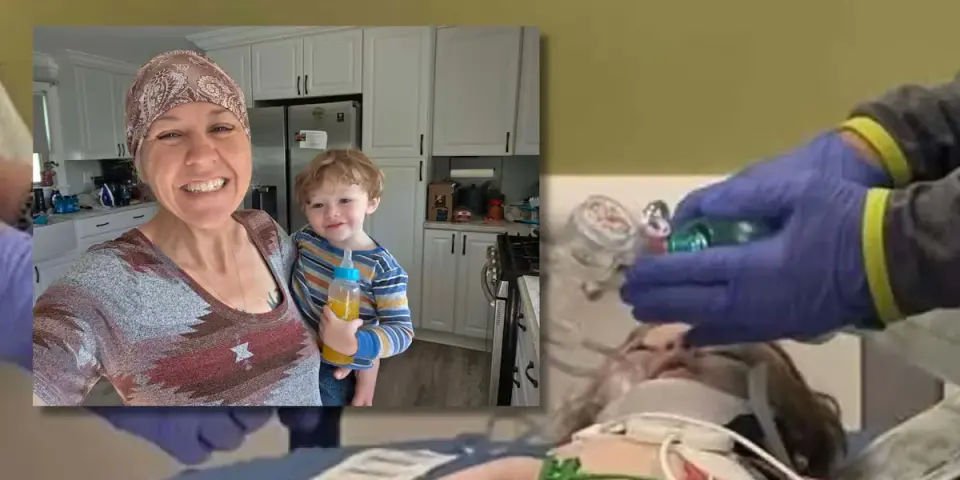
A 2-year-old boy in Auburn, Indiana, suffered a catastrophic brain injury after being exposed to 7-OH, a potent opioid derived from kratom. Police charged 20-year-old Kole Schwarz, the child's mother's live-in boyfriend, with neglect resulting in catastrophic injury. The toddler was hospitalized in September and later transferred to Indianapolis, where tests confirmed the presence of kratom-related drugs. The FDA has warned about the proliferation of unregulated 7-OH products sold over the counter, which are illegal in Indiana but available in neighboring Michigan.
Key points
- Kole Schwarz, 20, was charged with neglect of a dependent resulting in catastrophic injury after a 2-year-old in Auburn suffered severe brain damage linked to 7-OH exposure.
- The child was rushed to a DeKalb County hospital on September 6, placed in a medically induced coma, and later transferred to Riley Hospital in Indianapolis.
- Schwarz admitted to buying 7-OH tablets under the counter through a contact in Fort Wayne, stating the sealed tablets remained in his pocket, though the child had an unknown green substance around his mouth.
- The child's mother is not a suspect and cooperated with investigators; she reported concerns that Schwarz used the substance and feared the toddler may have ingested it.
- The FDA warns that 7-OH is a potent opioid concentrated from kratom, noting a concerning proliferation of over-the-counter products that pose a public health threat.
- While 7-OH is illegal in Indiana, it is sold as gummies, drinks, and pills in Michigan, where Berrien County health officials recently warned of rising kratom-related hospitalizations.
Background
Recent medical studies have highlighted the severe risks associated with brain injuries and substance exposure. A 2026 study in JAMA Network Open linked high ultraprocessed food intake to silent vascular brain damage in middle-aged adults, while another analysis found concussions increase Alzheimer's risk by 18 percent. These findings underscore the critical importance of preventing severe neurological harm, particularly in vulnerable populations such as children. The current case in Auburn highlights the specific dangers of unregulated opioid-like substances, contrasting with broader public health warnings about the long-term cognitive consequences of various brain injuries.
Why it matters
This case highlights the severe risks posed by unregulated 7-OH products, which are marketed as energy boosters or pain relievers but act as potent opioids. The incident underscores the dangers of over-the-counter kratom derivatives, which can cause seizures, liver toxicity, and fatal overdoses. With 7-OH illegal in Indiana but available in neighboring states like Michigan, the case illustrates the need for stricter regulatory measures and consumer education to protect children from accessible, dangerous substances.
What to watch
Kole Schwarz faces legal proceedings for the neglect charge. The child's grandmother, Josie Casebere, is advocating for greater awareness and regulation of 7-OH products. Public health officials in Michigan and Indiana are likely to monitor kratom-related hospitalizations and enforce existing bans or regulations to limit access to these substances.
Want the full story? Read the original reporting
Read on WPTA | 21Alive | Fort Wayne, IN