
Pixel Watch sleep scores face scrutiny for ignoring camping realities
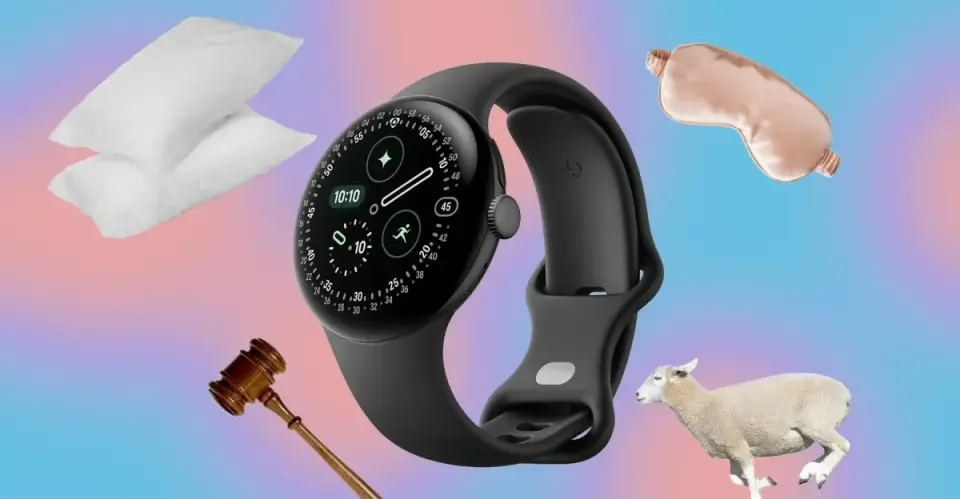
The Verge’s Allison Johnson published a satirical piece on August 27, 2026, framing a Google Pixel Watch sleep score as a legal case. The article argues that the device’s 71/100 rating for a camping night was unfair due to uncontrollable factors like noise and a child’s presence. It highlights the limitations of current wearable algorithms in accounting for environmental variables and lifestyle choices, such as alcohol consumption, when calculating sleep quality.
Key points
- The article, titled 'Sleep score court is in session,' uses a mock trial format to critique the Google Pixel Watch’s sleep scoring system.
- The fictional plaintiff received a 71/100 sleep score for a night spent camping, which the author argues is too low given the circumstances.
- Key factors cited as unfair deductions include loud neighbors at the next campsite, the presence of a five-year-old child, and the inability to use white noise apps due to battery conservation.
- The piece notes that the user consumed two cocktails before bed, which likely impacted the score, but argues that the watch’s feedback served as a 'wake-up call' to change habits.
- The author suggests that the score should have been higher, potentially an 80, given that the user achieved several hours of deep sleep despite challenging conditions like early morning bird noises.
Background
This piece follows a broader trend in sleep technology where companies like Hatch are moving away from nightly scores toward habit-based tracking, as noted in our August 16, 2026, coverage of the Hatch Sleep Clock. Additionally, our August 25, 2026, report on vitamin D and cognitive scores in early dementia highlights the ongoing scientific interest in how sleep and lifestyle factors influence health metrics, though the Pixel Watch debate remains focused on consumer device accuracy rather than clinical outcomes.
Why it matters
The article underscores a growing consumer frustration with wearable health metrics that fail to account for real-world variables. As sleep tracking becomes more integrated into daily life, the accuracy and context-sensitivity of these scores are increasingly important for user trust and the utility of health data. This critique may influence how companies like Google refine their algorithms to better distinguish between poor sleep habits and unavoidable environmental challenges.
What to watch
No specific next steps are mentioned in the source, but the piece implies that users may continue to challenge the fairness of their sleep scores. It is possible that Google or other wearable manufacturers will update their scoring algorithms to include more contextual factors, such as environmental noise or travel conditions, to improve the perceived accuracy of their sleep metrics.
Want the full story? Read the original reporting
Read on The Verge