
Violence in DRC Kills Nurse, Injures Worker Amid Record Ebola Crisis
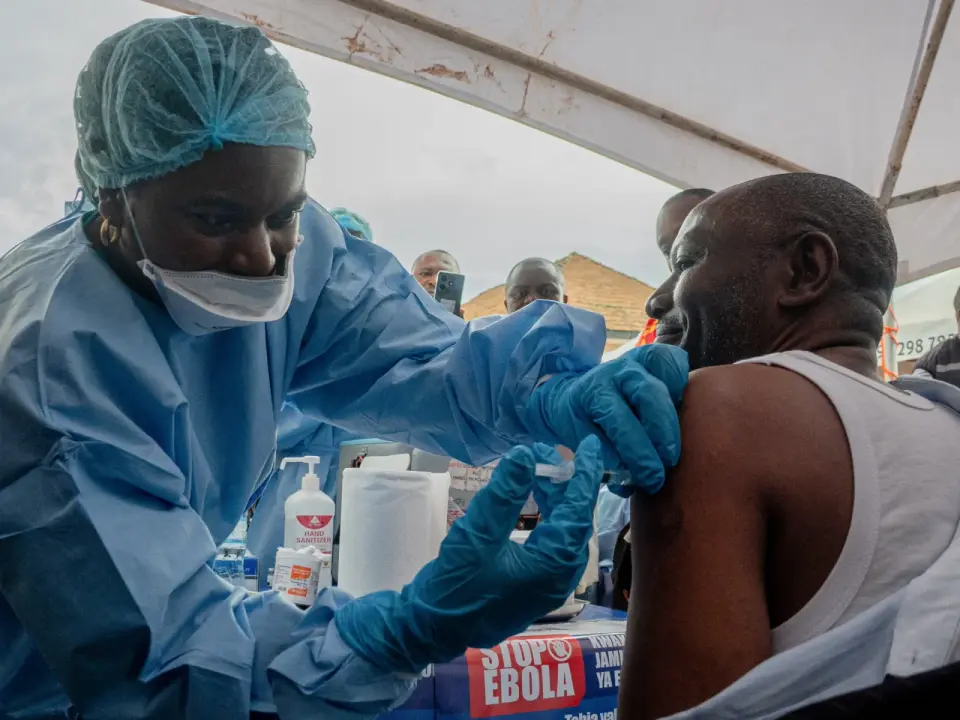
A nurse was killed and another health worker severely injured in an attack in Bafwasende, eastern DR Congo, while responding to an Ebola alert. This incident is the latest in a series of violent disruptions hampering the response to the world's fastest-growing Ebola outbreak. The current crisis, caused by the Bundibugyo strain, has infected over 9,800 people and killed more than 4,700 since May. With no approved vaccine or treatment for this strain, responders face significant challenges, including widespread community distrust and misinformation. The outbreak has spread to four countries, prompting Uganda to impose a 21-day quarantine for travelers returning from the DRC.
Key points
- A nurse was killed and a health worker severely injured in Bafwasende, Tshopo province, DR Congo, while responding to an Ebola case.
- The attack is part of a pattern of violence against health workers, which authorities say is hindering efforts to control the outbreak.
- The current Ebola outbreak, caused by the Bundibugyo strain, has resulted in over 9,800 cases and 4,700 deaths in the DRC since May.
- The Bundibugyo strain has no approved vaccine or specific treatment, complicating the response.
- The outbreak has spread to four countries, with Uganda imposing a 21-day quarantine for citizens returning from the DRC.
- Widespread distrust and misinformation in communities have complicated response efforts, including in remote areas and emerging hotspots.
Background
The current Ebola outbreak in the DRC began in May 2026 and has since become the deadliest in the country's history. Previous coverage highlighted the spread of the Bundibugyo strain to Kenya, Nigeria, and Uganda, with health authorities investigating cross-border transmission. In September, the DRC began vaccinating 50,000 health workers with a Zaire-strain vaccine under a compassionate-use program, despite the lack of a specific vaccine for Bundibugyo. The WHO has described the outbreak as 'more complex' due to its geographic spread and the challenges posed by community distrust and misinformation.
Why it matters
The attack on health workers in the DRC underscores the severe challenges facing the response to the world's fastest-growing Ebola outbreak. Violence and misinformation are hindering efforts to contain the disease, which has no approved vaccine or treatment for the Bundibugyo strain. The spread of the outbreak to multiple countries highlights the need for coordinated international response and border monitoring. The incident also raises concerns about the safety of health workers and the potential for further disruptions to critical health services in affected regions.
What to watch
Health authorities and international organizations are expected to continue monitoring the outbreak and coordinating responses across affected countries. Uganda's quarantine measures for travelers from the DRC may be followed by similar actions in other countries. Efforts to combat misinformation and build community trust will be crucial in containing the outbreak. The WHO and other agencies may also explore additional measures to support health workers and improve access to medical supplies in remote areas.
Want the full story? Read the original reporting
Read on Al Jazeera