
Keto Diet Outperforms Mediterranean and Low-Fat Plans in Liver Fat Reduction Trial
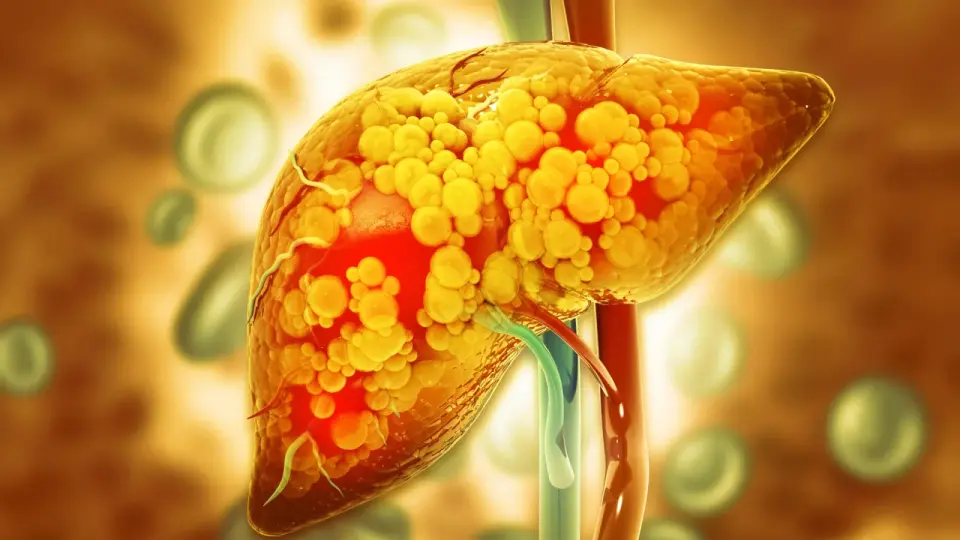
A randomized clinical trial published in Cell Metabolism found that while all three tested diets led to similar weight loss, the ketogenic diet produced significantly greater improvements in liver health and prediabetes remission compared to Mediterranean and low-fat diets.
Key points
- 42 adults with obesity, prediabetes, and fatty liver disease were randomly assigned to ketogenic, Mediterranean, or low-fat plant-forward diets for four to five months.
- All groups lost approximately 10% of their body weight, but the ketogenic group reduced liver fat by 67%, compared to 45% for the other two groups.
- About 50% of participants on the ketogenic diet no longer met criteria for prediabetes, versus 29% on the Mediterranean diet and 7% on the low-fat diet.
- The ketogenic diet resulted in the largest decreases in blood insulin levels and increases in glucagon, a hormone that helps reduce liver fat.
- Despite high fat intake, the ketogenic group did not experience increases in blood fat or cholesterol levels, contrary to common concerns.
Background
This study builds on earlier discussions about the metabolic effects of dietary composition. Previous archive coverage noted that while weight loss is the primary driver of metabolic health, the specific macronutrient profile may offer additional benefits. A January 2026 study highlighted potential long-term metabolic risks of ketogenic diets in mice, while a July 2026 study suggested fat metabolism, rather than ketones, drives certain cancer-related effects in animal models. The current trial provides human clinical data on short-term metabolic outcomes.
How outlets are covering it
ScienceDaily and WashU Medicine emphasize the superior metabolic benefits of the ketogenic diet, particularly regarding liver fat reduction and prediabetes remission. Healthline and ScienceAlert acknowledge these findings but highlight caveats, noting the small sample size (42 participants) and short duration (four to five months). Healthline quotes endocrinologist Yesika Garcia, who stresses that weight loss remains the primary driver of metabolic health and that the Mediterranean diet has a longer track record for long-term heart and diabetes prevention. ScienceAlert notes that the researchers were surprised by the lack of negative cholesterol effects in the high-fat group. All sources agree that the study was well-controlled but requires larger trials for generalization.
Why it matters
The findings suggest that for individuals with obesity, prediabetes, and fatty liver disease, the choice of diet may influence specific metabolic outcomes beyond weight loss alone. This could inform clinical recommendations for patients seeking to prevent progression to Type 2 diabetes or chronic liver disease, potentially offering an alternative to pharmacological interventions like GLP-1 medications.
What to watch
Researchers plan to investigate the fundamental mechanisms behind the metabolic benefits of weight loss and the specific effects of GLP-1 medications. Larger clinical trials are needed to confirm these findings and determine if less restrictive low-carb diets can achieve similar results. The study also highlights the need to understand long-term sustainability and adherence to ketogenic diets.
- Keto diet cut liver fat by 67% in a clinical trial Science Daily
- Obesity: Keto May Offer More Benefits Than Mediterranean Diet Healthline
- Keto diet has greater health benefits than other popular weight-loss diets, according to clinical trial Medical Xpress
- Scientists Pitted Keto Against Mediterranean And Low-Fat Diets. Keto Won on One Clear Health Measure. ScienceAlert
- Low-carb diet delivers added liver benefits beyond weight loss WashU Medicine
Want the full story? Read the original reporting
Read on Science Daily