
Protein saturation: Why the 2026 dietary shift is creating a $90 billion marketing boom
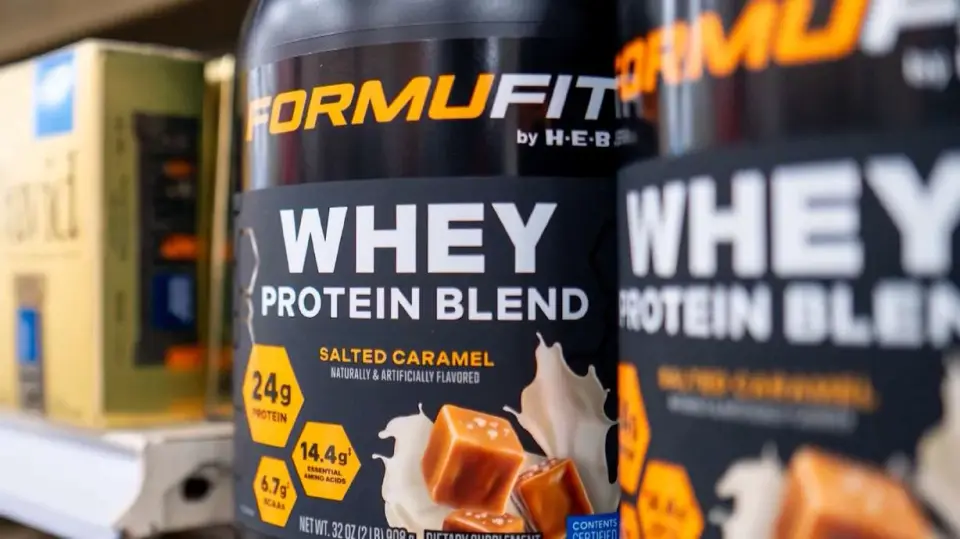
The 2026 U.S. Dietary Guidelines increased recommended protein intake by over 50%, sparking a massive surge in protein-fortified products. While experts advise prioritizing whole foods over processed snacks, the industry has flooded shelves with items ranging from protein Doritos to protein Pop-Tarts, driving $90 billion in annual consumer spending.
Key points
- The 2025-2030 U.S. Dietary Guidelines raised the daily protein target to 1.2-1.6 grams per kilogram of body weight, up from the previous 0.8 grams.
- Consumer spending on products with front-of-package protein claims reached approximately $90 billion in the year ending September 2026, according to retail data firm NIQ.
- Registered dietitians warn that adding protein to junk foods does not make them healthy, emphasizing that a cookie or pastry remains unhealthy regardless of its protein content.
- The rise in protein-focused products is partly driven by the widespread use of GLP-1 weight-loss medications, which require adequate protein intake to preserve lean muscle mass.
- Experts recommend spreading protein intake across meals, aiming for 20-30 grams per sitting, rather than consuming large boluses of protein at once.
Background
This trend follows a period of intense public debate regarding protein intake, with earlier discussions in August 2026 challenging the '30-gram per meal' rule and questioning whether protein restriction actually extends human lifespan. Previous coverage also highlighted the cost-effectiveness of whole-food protein sources like lentils and eggs compared to expensive fortified snacks.
How outlets are covering it
KSL.com and The New York Times both highlight the absurdity of protein-fortified junk foods, with NYT noting that protein Doritos and Pop-Tarts are marketing gimmicks. Smithsonian Magazine provides a more nuanced view, noting that while excess protein is generally neutral for healthy kidneys, some animal studies suggest protein restriction might aid longevity, though this is not yet applicable to humans. Oman Observer warns that high-protein diets can sometimes crowd out essential fiber and healthy fats, potentially leading to kidney stress if taken to extremes. All sources agree that individual needs vary significantly based on activity level and health goals.
Why it matters
The shift in federal guidelines has fundamentally altered the food landscape, creating a $90 billion market for protein-fortified items. Consumers must navigate a confusing array of products to determine whether they are meeting nutritional needs or simply falling for marketing tactics that prioritize protein over overall dietary balance.
What to watch
Regulators may need to tighten rules on how 'protein' is advertised on processed foods, as current FDA guidelines allow vague claims. Consumers should continue to focus on whole-food sources and consult dietitians to determine personalized protein targets, especially those using GLP-1 medications.
- Protein is everywhere. How much do you actually need? KSL.com
- Is More Protein Always Better? Despite the Craze Around the Nutrient, Research-Backed Evidence About Its Benefits Is Complicated Smithsonian Magazine
- Have We Reached Peak PROTEIN? The New York Times
- Protein craze puts nutrition in perspective Oman Observer
- High-Protein Diets May Accelerate Aging by Switching On a Single Longevity Gene Bioengineer.org
Want the full story? Read the original reporting
Read on KSL.com