
New Study Links Alzheimer's Brain Damage to Peripheral Immune Signals, Not Just Protein Buildup
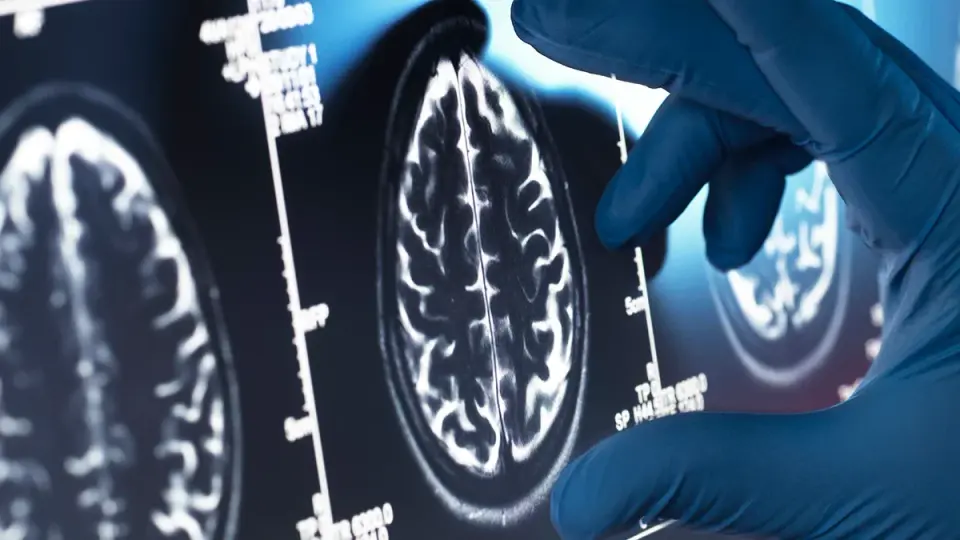
A new study in Nature Neuroscience suggests that Alzheimer's neurodegeneration may be driven by an immune response originating outside the brain. Researchers found that tau accumulation triggers antigens that travel to cervical lymph nodes, where dendritic cells activate T cells that then infiltrate the brain to cause damage. Blocking this peripheral immune pathway in mice reduced brain inflammation without altering tau levels, indicating that the immune response, rather than the protein buildup itself, may be the primary driver of neuronal injury. This finding challenges the traditional view of Alzheimer's as a purely brain-centric disease and opens potential therapeutic avenues targeting the peripheral immune system rather than the blood-brain barrier.
Key points
- A study published in Nature Neuroscience identifies a peripheral immune mechanism in Alzheimer's disease, suggesting that brain damage is driven by immune cells activated outside the central nervous system.
- In mouse models, tau pathology leads to the release of antigens that travel to deep cervical lymph nodes, where conventional type 1 dendritic cells (cDC1s) activate CD8+ T cells.
- These activated T cells then infiltrate the brain, causing neuroinflammation and neurodegeneration; blocking cDC1 function in mice significantly reduced T cell presence in the brain and mitigated damage.
- Crucially, disrupting this immune pathway did not significantly change tau levels in the brain, suggesting that the immune response, not the accumulation of tau protein itself, is the primary driver of neuronal injury.
- The findings imply that future treatments could target peripheral immune processes or lymph nodes, potentially bypassing the need to deliver drugs across the blood-brain barrier, a major hurdle in current Alzheimer's therapies.
Background
This development follows earlier coverage in September 2026 that highlighted similar findings regarding peripheral immune signals driving brain damage in Alzheimer's models. It aligns with a broader shift in research away from the 'amyloid hypothesis' (focusing solely on protein buildup) toward a multi-system view of the disease. Recent studies have also linked vascular health and menopause timing to Alzheimer's risk, reinforcing the idea that factors outside the brain influence neurodegeneration.
How outlets are covering it
ScienceAlert and the Nature Neuroscience study emphasize the role of CD8+ T cells and cDC1 dendritic cells in driving neurodegeneration from outside the brain. The Conversation highlights a broader 'vascular hypothesis,' suggesting that blood vessel damage and inflammation may precede and cause protein accumulation, challenging the idea that amyloid plaques are the primary cause. WSBT notes that while protein buildups remain a major focus, researchers are increasingly viewing Alzheimer's as a 'multi-system failure' involving immune cells and blood vessels. All sources agree that the disease is more complex than previously thought, but they differ on the primary driver: ScienceAlert and Nature focus on the immune cascade, while The Conversation emphasizes vascular health and lifestyle factors as upstream causes.
Why it matters
This research could lead to new treatment strategies that target the peripheral immune system rather than the brain itself, potentially making therapies easier to deliver and more effective. It also underscores the importance of early detection and lifestyle factors, such as maintaining vascular health, to prevent the cascade of events that leads to neurodegeneration. Understanding that the immune system plays a key role in Alzheimer's may open doors to repurposing existing immune-modulating drugs for neurodegenerative diseases.
What to watch
Further research is needed to confirm these findings in human subjects and to identify the specific antigens that trigger the immune response. Researchers are also working to expand access to blood-based biomarkers to detect these changes earlier. If validated, this could lead to the development of therapies that target lymph nodes or T cells, potentially slowing cognitive decline without the need to cross the blood-brain barrier.
- Alzheimer's Disease Threat Actually Emerges From Beyond The Brain, Study Finds ScienceAlert
- The hidden role of the bone marrow in Alzheimer’s disease Nature
- Key path to Alzheimer's-like brain damage starts outside the brain Medical Xpress
- Alzheimer's research leads to new treatments, understanding of the disease WSBT
- Inside the brain: Rethinking the mechanisms of Alzheimer’s disease The Conversation
Want the full story? Read the original reporting
Read on ScienceAlert