Tag

T Cells

All articles tagged with #t cells

Creatine May Supercharge Immune Attack on Cancer
science3 days ago

Creatine May Supercharge Immune Attack on Cancer

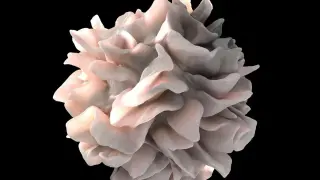
UCLA researchers found creatine boosts dendritic cell activity and energy, enhancing the immune system's ability to activate killer T cells against tumors; in mice and human cells, creatine slowed melanoma growth and improved dendritic cell vaccines, suggesting potential to strengthen cancer immunotherapy, though human trials are still needed and safety considerations apply.

The Thymus Dilemma: Does Removing a Small Gland Raise Cancer Risk in Adults?
science26 days ago

The Thymus Dilemma: Does Removing a Small Gland Raise Cancer Risk in Adults?

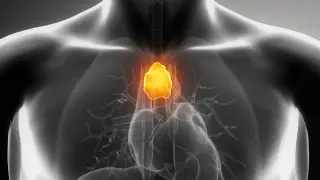
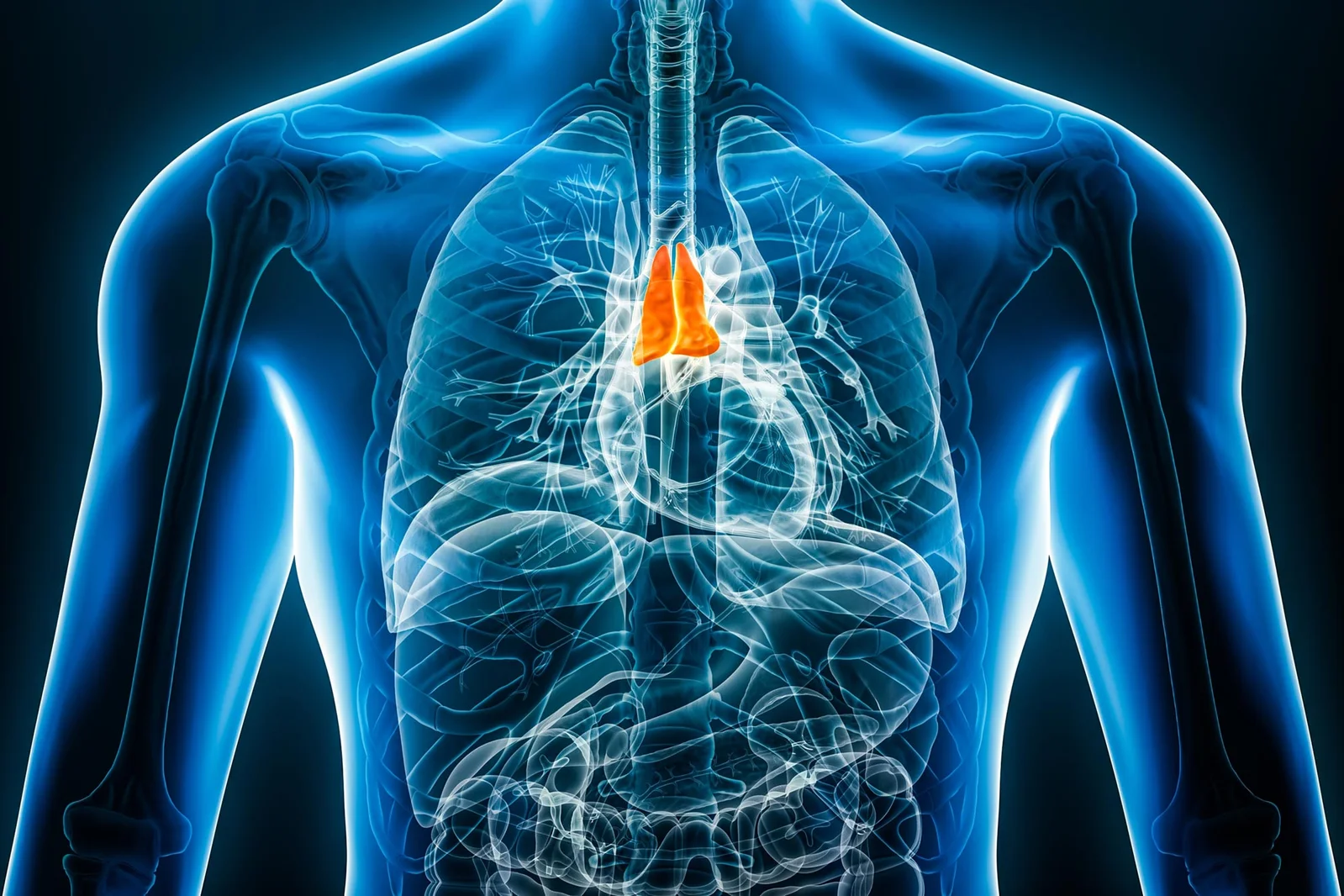
An NEJM study suggests adult thymus removal may double five‑year mortality and cancer risk, highlighting the gland’s potential health role and prompting caution to preserve it when possible. However, a 2025 Yale analysis found no clear harm from thymectomy, and researchers stress that the findings are observational and not causal, signaling the need for more research to understand the true impact.

Brain HIV persists; integrin-blocking therapy backfires, boosting brain viral load
science1 month ago

Brain HIV persists; integrin-blocking therapy backfires, boosting brain viral load

A primate study shows that an integrin-targeting drug used to curb brain inflammation can backfire by increasing HIV/SIV levels in the brain. Blocking alpha-4 integrin reduces killer T cells while helper T cells continue to ferry virus into the brain, sustaining inflammation and promoting brain damage. The findings suggest that therapies must target immune responses with high precision to protect the brain without enhancing viral reservoirs, and there is currently no method to clear HIV from brain or spinal cord.

Thymus Health: A Tiny Immune Organ's Big Role in Cancer Therapy
science3 months ago

Thymus Health: A Tiny Immune Organ's Big Role in Cancer Therapy

New Nature studies from Aarhus University suggest the thymus—a small immune organ once thought to fade after youth—continues to influence disease risk and how well patients respond to cancer immunotherapy. Better thymus function linked to improved treatment outcomes and longer survival; its decline is accelerated by smoking, obesity, and low activity, pointing to prevention angles and potential for tailoring cancer therapies by patients’ immunological status.

Dietary fats steer T cell ferroptosis to modulate immunity
science4 months ago

Dietary fats steer T cell ferroptosis to modulate immunity

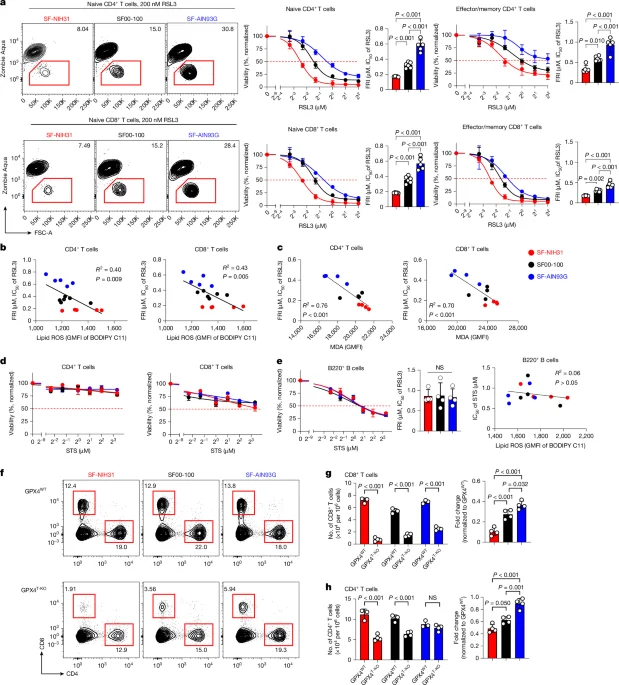
Dietary lipid composition (PUFAs/MUFAs) determines mouse T cell resistance to ferroptosis, shaping T cell homeostasis and immune responses via lipid remodeling; these diet‑induced ferroptosis effects (DEFs) are microbiota‑independent and correlate with human plasma lipid profiles, with PUFA‑containing phospholipids driven by ACSL4 underpinning TFH cell development and broader T cell–mediated immunity, including anti‑tumor responses and CAR‑T therapy. The findings suggest targeting lipid metabolism could enhance vaccines and immunotherapies.

Nasal universal vaccine shows cross-protection against cold, flu, and COVID in mice
science4 months ago

Nasal universal vaccine shows cross-protection against cold, flu, and COVID in mice

A nasal vaccine candidate that trains frontline lung immunity shows promise in mice for broad protection against multiple respiratory infections (cold viruses, flu, and COVID) by boosting alveolar macrophages and T cells rather than targeting a single pathogen; it may also dampen allergic reactions. Human safety and efficacy remain unproven, and the best-case path to a human-ready vaccine is five to seven years, with protection in mice lasting up to about three months and many unknowns, including effects in older adults and on DNA viruses.

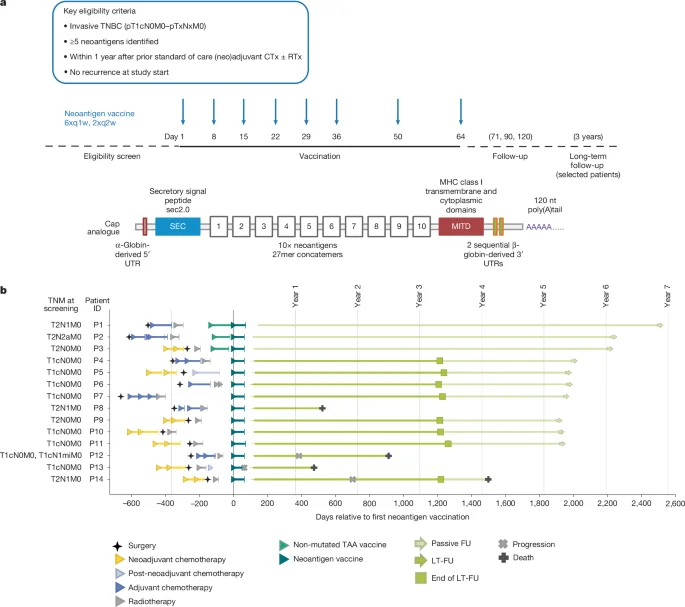
Tailored mRNA vaccines spark durable T cell immunity in adjuvant TNBC
science4 months ago

Tailored mRNA vaccines spark durable T cell immunity in adjuvant TNBC

A phase study in 14 women with adjuvant-treated triple-negative breast cancer shows individualized neoantigen mRNA–LPX vaccines encoding up to 20 mutations elicit robust, multi-epitope CD4+/CD8+ T cell responses that persist for years and correlate with relapse-free outcomes in most patients (up to ~6 years). Vaccinated T cells differentiate into cytotoxic, late-stage effector and stem-like memory (TSCM) phenotypes, with durable clonal lineages detected long after vaccination. Three relapses occurred due to weak responses, MHC I loss, or a genetically distinct recurrent tumor. The findings demonstrate the feasibility of on-demand personalized RNA vaccines and provide insights into immune escape and memory formation to guide future immunotherapy strategies.

Coffee-Triggered CRISPR: A Reversible Jab at Precision Gene Therapy
science5 months ago

Coffee-Triggered CRISPR: A Reversible Jab at Precision Gene Therapy

Texas A&M researchers report a chemogenetic system that links CRISPR activity to caffeine, enabling controllable, reversible gene editing and T‑cell activation via a “caffebody,” with safety shutoffs using rapamycin. This approach aims for more precise cancer therapies and other long‑term treatments, pending further preclinical studies.

MIT Study Reboots Aging Immunity by Turning Liver Into a T-Cell Factory
science5 months ago

MIT Study Reboots Aging Immunity by Turning Liver Into a T-Cell Factory

MIT researchers demonstrated in aging mice that delivering mRNA encoding key immune-signaling pathways causes the liver to transiently manufacture factors that boost thymus-driven T-cell production. This rejuvenation improved immune responses to vaccines and cancer immunotherapy with minimal side effects, and slowed tumor progression in treated mice. The therapy has not been tested in humans and would require ongoing injections to maintain benefits, but it represents a potential approach to counteract age-related immune decline and possibly broader aging processes.

Liver signals rekindle aging immune response in mice
health5 months ago

Liver signals rekindle aging immune response in mice

Broad Institute researchers show in old mice that injecting mRNA into the liver triggers thymic signals (DLL1, FLT3-L, IL-7), reviving T-cell production. Over four weeks, older mice had more diverse T cells, stronger vaccine responses, and better anti-cancer activity, though the boost was temporary and human trials are needed, with the findings published in Nature.

Notch Timing Unlocks Lab-Grown Helper and Killer T Cells for Off-the-Shelf Immunotherapy
science5 months ago

Notch Timing Unlocks Lab-Grown Helper and Killer T Cells for Off-the-Shelf Immunotherapy

UBC researchers show that precisely tuning the duration and intensity of Notch signaling in stem cells can reliably steer them to become helper or killer T cells, enabling scalable, off-the-shelf immunotherapies for cancer and other diseases. This overcomes a long-standing bottleneck by producing both T cell types from renewable sources, potentially reducing manufacturing costs and time.