
Creatine boosts muscle and memory in older adults without exercise
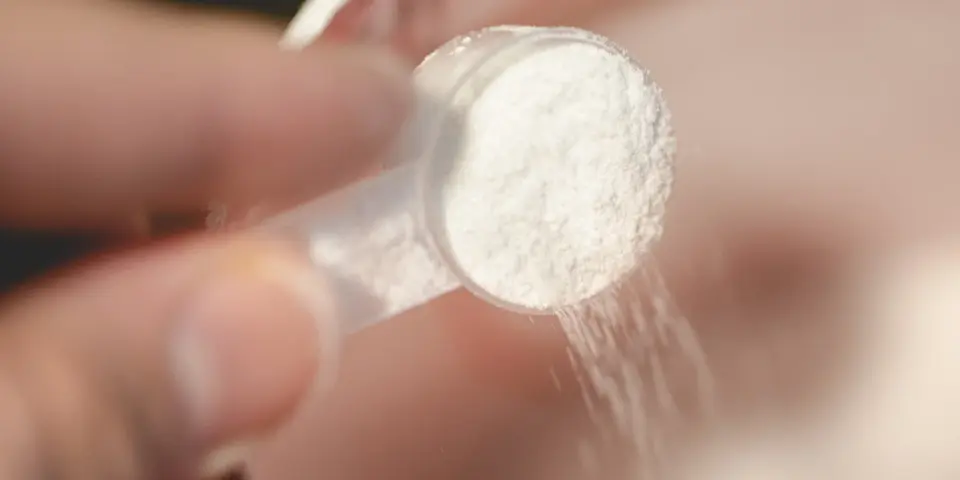
A 12-week study shows that 10g of daily creatine monohydrate increases lean mass, strength, and cognitive markers in sedentary adults aged 45-65. While exercise combined with supplementation reduces body fat, creatine alone offers benefits for muscle and brain health. Experts caution that evidence for broader anti-aging or bone benefits remains limited.
Key points
- A study of 64 adults (avg. age 55) found 12 weeks of 10g daily creatine monohydrate increased lean mass, strength, and endurance without exercise.
- Creatine supplementation also improved cognitive function and memory markers, as well as blood lipid profiles and HbA1c levels.
- Combining creatine with a diet and exercise program led to additional reductions in body fat percentage.
- Researchers note that while creatine is well-studied for strength, evidence for bone density, sleep, or neurodegenerative disease prevention is currently unproven.
- Experts recommend a maintenance dose of 3-5g daily, noting that loading phases are optional and consistency is key.
Background
Recent research highlights various non-pharmaceutical interventions for cognitive health in older adults. For instance, a 2026 study linked daily music listening to a 39% lower dementia risk, while another found that 30-minute daily brain routines improved memory scores. Additionally, brisk walking has been associated with reduced cognitive decline. These findings, alongside the new creatine study, suggest that both physical activity and specific supplements may play roles in maintaining brain and muscle health during aging.
How outlets are covering it
PsyPost and GQ emphasize the new finding that creatine improves muscle and cognitive metrics in sedentary older adults, highlighting its potential for those unable to exercise. Daily Maverick and UA.News provide a broader context, noting that while creatine is well-established for strength and power, evidence for benefits like bone density, sleep, or preventing Alzheimer's remains lacking. Daily Maverick also highlights that individual responses vary, with some athletes experiencing weight gain or cramps, and stresses that creatine is not a substitute for proper nutrition and training. UA.News notes that research on women and older adults is still less represented than on men, though recent studies are filling this gap.
Why it matters
This research suggests that creatine supplementation could be a viable strategy for combating sarcopenic obesity and cognitive decline in older adults who are unable to engage in regular exercise. It offers a low-cost, widely available option to support muscle mass and brain health, potentially reducing health risks associated with aging. However, it is crucial to view these findings as preliminary for cognitive benefits and to consult healthcare providers, especially for individuals with kidney issues or those taking other medications.
What to watch
Further research is needed to confirm the cognitive benefits of creatine and to determine optimal dosing for different populations, including women and older adults. Researchers are also investigating its potential role in cancer treatment and cardiovascular health. In the meantime, experts recommend starting with a 3-5g daily dose and monitoring individual responses, while ensuring proper hydration and nutrition.
- Creatine improves muscle mass and cognitive function in older adults even without exercise PsyPost
- This Popular Supplement May Boost Strength and Lean Muscle—Even Without Exercise marthastewart.com
- Creatine Can Make Aging Adults Stronger—Even Without Exercise gq.com
- Daily Maverick: what is known about proven and unconfirmed properties of creatine ua.news
- Creatine: What works, what might work, and what is still unproven dailymaverick.co.za
Want the full story? Read the original reporting
Read on PsyPost