
First UK Breeding of Yellow Fever Mosquito Detected in East London
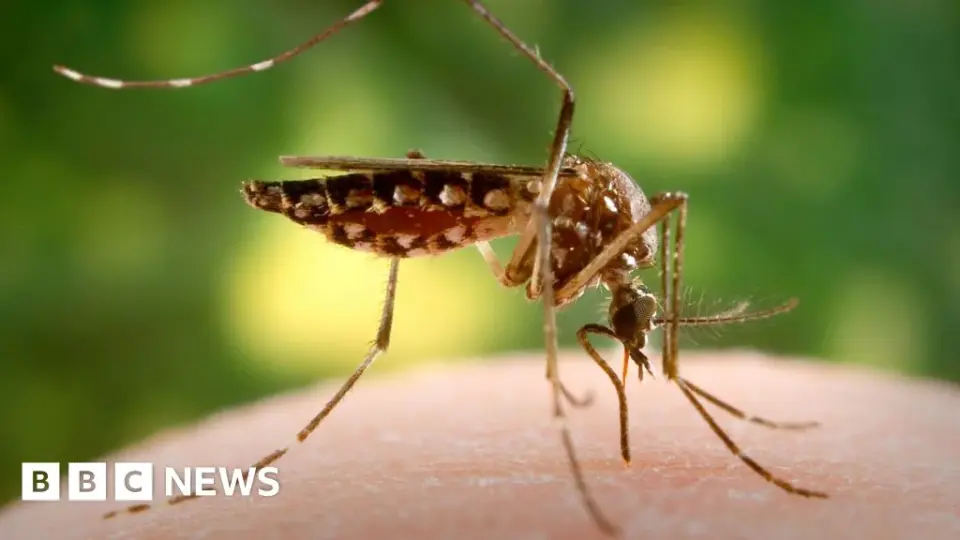
Aedes aegypti mosquitoes, which transmit dengue, Zika, and chikungunya, have been found breeding in East London for the first time in the UK. While the species has been detected before, this is the first instance of reproduction. UKHSA assesses the public risk as very low, noting no human infections and the species' inability to survive UK winters long-term.
Key points
- Aedes aegypti larvae were identified near residential properties in East London, marking the first breeding event of this species in the UK.
- The UK Health Security Agency (UKHSA) has implemented control measures to destroy larvae and intensified surveillance in the area.
- Officials state the risk to the public is very low, with no evidence of human infection or spread to public areas.
- The species is believed to have arrived via accidental importation in vehicles, baggage, or plants.
- UKHSA notes that while the UK climate is currently too cold for long-term survival, warming trends may increase future incursions.
Background
This development follows broader European trends in invasive mosquito surveillance. In August 2026, Chicago suburbs reported surges in Asian tiger mosquitoes due to warm, damp conditions, highlighting how climate shifts influence vector distribution. While the current UK finding is isolated, it underscores the growing need for early detection systems like the Mosquito Watch scheme, which has been operational since 2010.
How outlets are covering it
BBC and The Independent emphasize the novelty of the breeding event, noting that while Aedes aegypti has been seen in the UK before, reproduction is unprecedented. The Daily Dazzling Dawn provides detailed context on the diseases transmitted, including yellow fever, and highlights the potential for future establishment if warmer conditions become frequent. UKHSA’s official blog focuses on the low immediate risk and the technical aspects of the response, including the use of ovitraps and the National Contingency Plan. Dr. Jolyon Medlock of UKHSA and Dr. César López-Camacho of Oxford University both agree that while the finding is significant, it is not a cause for alarm given the current lack of human infections and the species' inability to survive UK winters.
Why it matters
This is the first time Aedes aegypti has bred in the UK, signaling a potential shift in the geographic range of disease-carrying insects. Although the current risk is low, the ability to reproduce suggests that local conditions can temporarily support the species. This event highlights the importance of continued surveillance and rapid response mechanisms to prevent the establishment of populations that could transmit serious diseases like dengue and Zika.
What to watch
UKHSA will continue enhanced surveillance and trapping in East London to ensure no further breeding occurs. The agency expects to see more invasive mosquito incursions as the climate warms. Public cooperation in reporting sightings via the Mosquito Watch scheme and removing standing water remains critical for early detection and prevention.
- Invasive mosquitoes breed in London for the first time in the UK BBC
- Zika virus mosquito species found breeding in the UK The Independent
- Zika-Carrying Mosquito Found Breeding in Britain for First Time The Daily Dazzling Dawn
- Should I be concerned that an invasive mosquito species has been detected in east London? GOV.UK blogs
- Invasive mosquito species detected in east London GOV.UK
Want the full story? Read the original reporting
Read on BBC