
Gut Microbe Metabolite Cuts Cholesterol by Mimicking Statin Mechanism in Mice
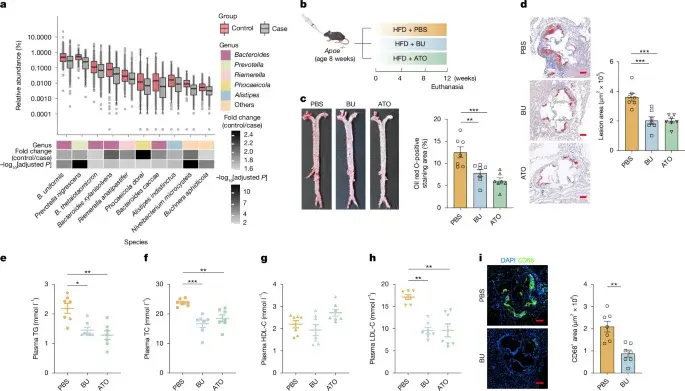
A new study in Nature identifies pentadecanoic acid, a fatty acid produced by gut bacteria, as a key compound that reduces atherosclerosis in mice by inhibiting cholesterol synthesis. While human data shows lower levels of this compound in patients with dyslipidemia, the findings remain preclinical.
Key points
- Researchers found that Bacteroides uniformis reduces atherosclerosis in mice by producing pentadecanoic acid (PA).
- PA supplementation reduced arterial plaque burden by approximately 50% and improved lipid profiles.
- The mechanism involves PA directly inhibiting HMG-CoA reductase, the same enzyme targeted by statin drugs.
- Human patients with dyslipidemia showed significantly lower levels of PA in their blood and gut bacteria.
- The study highlights a gut-liver axis where microbial metabolites regulate hepatic cholesterol clearance.
Background
This finding builds on recent research linking gut microbiome composition to cardiovascular health, such as studies on Enterobacteriaceae dominance and probiotic effects on bile acids. It also aligns with preclinical work on compounds like TOFA that target lipid metabolism, though PA is a microbial metabolite rather than a synthetic drug.
How outlets are covering it
Nature provides the primary mechanistic data, detailing how PA inhibits HMG-CoA reductase and upregulates LDL receptors in mice. The Times of India emphasizes the potential for microbial interventions to replace or complement statins, noting the 50% plaque reduction. Earth.com covers a related but distinct study on heart failure, linking Bifidobacterium and indole-3-propionic acid to better outcomes, suggesting broader gut-heart connections beyond atherosclerosis. Lifespan Research Institute offers minimal detail, focusing only on the mouse model results. Outlets agree on the promise of the finding but differ in scope, with Nature focusing on molecular mechanisms and secondary sources highlighting clinical implications and broader microbiome trends.
Why it matters
This research suggests that modulating gut bacteria or supplementing with specific fatty acids could offer a new therapeutic avenue for managing cholesterol and preventing heart disease, potentially reducing reliance on traditional statins.
What to watch
Future research must determine if PA supplementation or probiotic interventions can effectively lower cholesterol in humans, as current evidence is limited to animal models and observational human data.
- A gut microbial odd-chain fatty acid alleviates atherosclerosis in mice Nature
- Forget the pill, common gut microbe produces molecule that cuts cholesterol and betters heart health: What the new study found The Times of India
- Certain gut bacteria are linked to better outcomes in heart failure patients Earth.com
- Chronic intestinal inflammation can affect heart through changes in gut microbiota and immune cells, study finds Medical Xpress
- Gut Bacteria Molecule Slows Atherosclerosis in Mice Lifespan Research Institute
Want the full story? Read the original reporting
Read on Nature