Tag

Atherosclerosis

All articles tagged with #atherosclerosis

Gut Microbe Metabolite Mimics Statins to Cut Cholesterol in Mice
health-and-science1 month ago

Gut Microbe Metabolite Mimics Statins to Cut Cholesterol in Mice

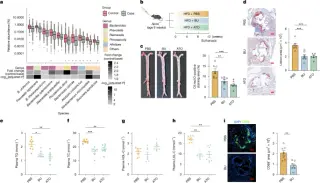
A new study in Nature identifies a common gut bacterium, Bacteroides uniformis, as a source of pentadecanoic acid, a fatty acid that significantly reduces arterial plaque and cholesterol in mice by inhibiting the same enzyme targeted by statin drugs. While human data shows a correlation between low levels of this molecule and heart disease, researchers emphasize that clinical applications remain distant.

Study reveals silent artery plaque in 1 in 13 adults under 30
health1 month ago

Study reveals silent artery plaque in 1 in 13 adults under 30

A new international study published in The New England Journal of Medicine finds that silent atherosclerosis, or artery-clogging plaque, is far more common in young adults than previously believed. Among 16,800 participants with no known heart disease, 57% had detectable plaque, with about 1 in 13 adults aged 18 to 29 affected. The findings suggest that traditional risk assessments often miss early disease, highlighting the need for earlier detection and lifestyle interventions to prevent heart attacks and strokes.

REACT Study Reveals Silent Artery Plaque in 1 in 13 Young Adults
health1 month ago

REACT Study Reveals Silent Artery Plaque in 1 in 13 Young Adults

A large international study published in The New England Journal of Medicine reveals that silent atherosclerosis is far more common in young adults than previously believed. Using advanced imaging on over 16,800 healthy participants in Denmark and Spain, researchers found that 57.1% of adults aged 18 to 70 had detectable artery plaque. Notably, approximately 1 in 13 adults under 30 showed signs of the condition despite having no symptoms or known cardiovascular disease. The findings suggest that traditional risk scores fail to identify many individuals with existing disease, highlighting the need for earlier detection methods.

Yellow Eye Patches May Signal Higher Risk of Heart Attack and Stroke
health2 months ago

Yellow Eye Patches May Signal Higher Risk of Heart Attack and Stroke

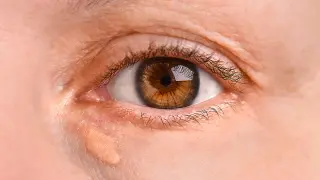
A new study from Stanford University links xanthelasma, yellow patches around the eyes, to a significantly higher risk of heart attacks, strokes, and mini-strokes. Analyzing nearly 18,000 patients, researchers found that individuals with these patches had multiple times the risk of major cardio-cerebrovascular events compared to controls, even after accounting for high cholesterol. The findings suggest that these visible skin changes could serve as an early warning sign for underlying cardiovascular issues, prompting earlier medical intervention.

Zero Calcium Score Fails to Eliminate Heart Risk for Young Adults with High LDL
health3 months ago

Zero Calcium Score Fails to Eliminate Heart Risk for Young Adults with High LDL

A new analysis of the CARDIA study reveals that a zero coronary artery calcium (CAC) score does not guarantee low cardiovascular risk for younger adults with high cumulative LDL exposure. While a zero CAC score is reassuring for older individuals, it may miss early, non-calcified plaque in people under 50. Those with high lifetime LDL levels faced a 3.36-fold higher risk of heart events despite having no detectable calcium, highlighting the need to consider lipid history alongside imaging.

Microplastics Detected in All 17 Human Artery Samples, Linking PET to Cardiovascular Risk
science-and-health3 months ago

Microplastics Detected in All 17 Human Artery Samples, Linking PET to Cardiovascular Risk

A 2024 study by Capital Medical University researchers found microplastics in 100% of 17 human artery samples, with higher concentrations in arteries containing fatty plaques. Polyethylene terephthalate (PET) accounted for 73.7% of the detected plastics. While a separate 2024 study linked higher arterial microplastic levels to increased stroke and heart attack risks, experts caution that direct causation remains unproven due to confounding variables.

Microplastics in Carotid Plaques Linked to 4.5× Higher Risk of Heart Events
health4 months ago

Microplastics in Carotid Plaques Linked to 4.5× Higher Risk of Heart Events

A 2024 NEJM study found microplastics and nanoplastics embedded in the carotid plaque of 58% of patients; those with plastic in their plaque were about 4.5 times more likely to have a heart attack, stroke, or death within 34 months than those with plastic-free plaque, with inflammation and plaque destabilization proposed as mechanisms. Causality isn’t proven and replication is underway in New Mexico and elsewhere to determine if microplastics are a modifiable cardiovascular risk factor.

Celebrity death spotlights atherosclerotic heart disease and prevention
health6 months ago

Celebrity death spotlights atherosclerotic heart disease and prevention

USA TODAY reports that Nicholas Brendon died from atherosclerotic and hypertensive cardiovascular disease, with a 90% blockage in his right coronary artery. The piece explains how plaque buildup (atherosclerosis) and long-standing high blood pressure damage the heart, outlines common risk factors (high cholesterol, high blood pressure, diabetes, smoking), and stresses that heart disease is largely preventable through lifestyle changes and the American Heart Association’s Life’s Essential 8, including diet, exercise, not smoking, sleep, weight management, and monitoring lipids, blood pressure and glucose.

Buffy Alum Nicholas Brendon’s Death Attributed to Heart Disease, Coroner Finds
entertainment6 months ago

Buffy Alum Nicholas Brendon’s Death Attributed to Heart Disease, Coroner Finds

Indiana’s Putnam County coroner ruled that Buffy the Vampire Slayer star Nicholas Brendon died of atherosclerotic and hypertensive cardiovascular disease, with acute pneumonia and a prior heart attack listed as contributing factors; the report notes a 90% blockage in his right coronary artery and references Brendon’s history of heart and health issues.

Gut Bacteria Turn Pomegranate Into a Plaque-Stabilizing Heart Protector
science7 months ago

Gut Bacteria Turn Pomegranate Into a Plaque-Stabilizing Heart Protector

A metabolite called urolithin A, produced by gut bacteria from pomegranate polyphenols, reduces oxidative stress and inflammation and stabilizes arterial plaques, lowering plaque size in a mouse model without changing cholesterol levels, pointing to a microbiome-based approach to cardiovascular disease; human studies are needed since individual gut microbiomes vary in producing urolithin A.

High LDL on keto isn’t risk-free: experts reaffirm LDL-apoB causality
health7 months ago

High LDL on keto isn’t risk-free: experts reaffirm LDL-apoB causality

A skeptical review of the lean mass hyper-responder (LMHR) hypothesis argues that very high LDL-C on a ketogenic diet does not erase the proven link between apoB-containing particles and atherosclerosis. It critiques two LMHR studies for short duration, lack of proper controls, and confounding factors, and questions the lipid-energy model’s validity. Across decades of evidence, LDL-C/apoB remains causally related to ASCVD, so reducing apoB—through diet, statins, or other therapies—remains the prudent course, even for metabolically healthy individuals. Longer-term, well-controlled data would be required to overturn this consensus.

Deep-Frying Could Be Worse for Your Arteries Than Butter, Say Cardiologists
health8 months ago

Deep-Frying Could Be Worse for Your Arteries Than Butter, Say Cardiologists

Cardiologists warn that deep-frying foods can damage arteries by increasing oxidized LDL and promoting plaque buildup, citing a 2021 Heart study that links regular fried-food consumption with higher risks of coronary heart disease, heart failure, and stroke. While butter should be used in moderation, experts say the arterial risks of frequent deep-frying can outweigh butter’s — and they recommend heart-healthy swaps like air frying, low-oil sautéing, and baking, plus gradual diet changes to reduce saturated and trans fats.