
Gut Microbe Metabolite Mimics Statins to Cut Cholesterol in Mice
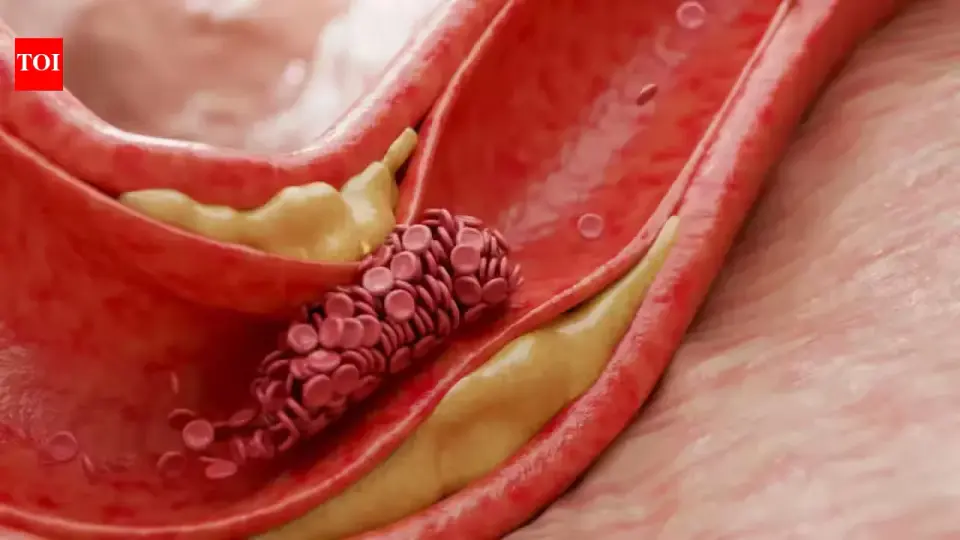
A new study in Nature identifies a common gut bacterium, Bacteroides uniformis, as a source of pentadecanoic acid, a fatty acid that significantly reduces arterial plaque and cholesterol in mice by inhibiting the same enzyme targeted by statin drugs. While human data shows a correlation between low levels of this molecule and heart disease, researchers emphasize that clinical applications remain distant.
Key points
- Bacteroides uniformis produces pentadecanoic acid (C15:0), which reduced arterial plaque by 50% in mice with genetically induced atherosclerosis.
- The molecule lowers cholesterol by blocking HMG-CoA reductase, the primary enzyme in cholesterol synthesis, and increasing LDL receptors in the liver.
- Human samples from over 200 individuals showed that those with high cholesterol had lower levels of pentadecanoic acid and fewer Bacteroides species.
- The study confirms that multiple Bacteroidota genera can produce this fatty acid, but its production is depleted in patients with dyslipidemia.
- Researchers caution that while mouse results are promising, human trials are needed to determine safety, dosage, and efficacy before any probiotic or supplement recommendations can be made.
Background
This finding builds on recent research linking gut microbiome activity to cardiovascular health. In August 2026, studies from Karolinska Institutet demonstrated that gut bacteria convert dietary nitrates and iron from vegetables into dinitrosyl iron complexes, which improve blood pressure and vascular function in animal models. Additionally, a separate Stanford study published in Nature Cardiovascular Research in October 2026 linked Bifidobacterium abundance to recovery in chronic heart failure, highlighting the broader role of microbial metabolites in cardiac outcomes. These developments suggest a growing consensus that gut-derived molecules, rather than just dietary intake alone, play a critical role in regulating heart health.
How outlets are covering it
The Times of India emphasizes the potential for gut microbes to replace or complement statin drugs, highlighting the dramatic 50% reduction in plaque in mice. Nature, the primary source of the research, focuses on the mechanistic details, specifically how pentadecanoic acid inhibits HMG-CoA reductase and upregulates LDL receptors. Bioengineer.org, while covering a different but related study on Bifidobacterium and heart failure, underscores the importance of longitudinal data and the complexity of microbiome-immune interactions, noting that correlation does not always imply causation. All sources agree that while the findings are promising, they are currently limited to animal models or observational human data, and no clinical treatments are yet available.
Why it matters
This research offers a potential new avenue for treating atherosclerosis and high cholesterol, conditions that affect millions globally. If pentadecanoic acid or the bacteria that produce it can be safely administered to humans, it could provide a natural alternative or adjunct to statins, which have known side effects and variable efficacy. Understanding the gut-liver axis could lead to personalized medicine approaches where microbiome composition is used to predict and manage cardiovascular risk.
What to watch
Researchers must now conduct human clinical trials to determine if pentadecanoic acid is safe and effective in people. They need to establish optimal dosages and investigate whether boosting Bacteroides uniformis through diet or probiotics can reliably increase the production of this fatty acid. Additionally, further studies are needed to understand the long-term effects of this molecule on human health and whether it can be used to prevent or treat atherosclerosis in diverse populations.
- Forget the pill, common gut microbe produces molecule that cuts cholesterol and betters heart health: What the new study found The Times of India
- A gut microbial odd-chain fatty acid alleviates atherosclerosis in mice Nature
- Chronic Intestinal Inflammation Can Affect Heart Through Changes in Gut Microbiota and Immune Cells, Study Finds Georgia State University News
- Certain gut bacteria are linked to better outcomes in heart failure patients Earth.com
- Gut Microbe Bifidobacterium Emerges as a Marker of Heart Failure Recovery Bioengineer.org
Want the full story? Read the original reporting
Read on The Times of India