Water Caps Identified as Key Mechanism in Tau Protein Misfolding for Alzheimer's
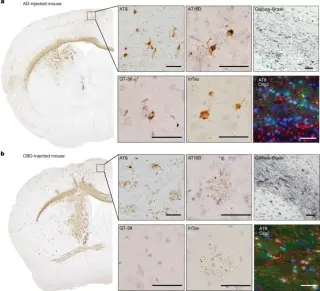
Researchers at Northwestern University and UC Santa Barbara have identified a specific molecular mechanism by which tau proteins misfold into fibrils in Alzheimer's disease. Published in PNAS, the study reveals that water molecules form stabilizing caps around hydrophobic 'hotspots' on mutated tau proteins. When these caps release energy, they trigger the proteins to stack into rigid fibrils, which eventually kill brain cells and spread the disease. Blocking this hotspot with chemical tags halted fibril growth in tests, suggesting a potential target for future therapies.