
Mathematical Models Suggest Vitamin C May Mitigate Nitrosation Risks in Processed Meats
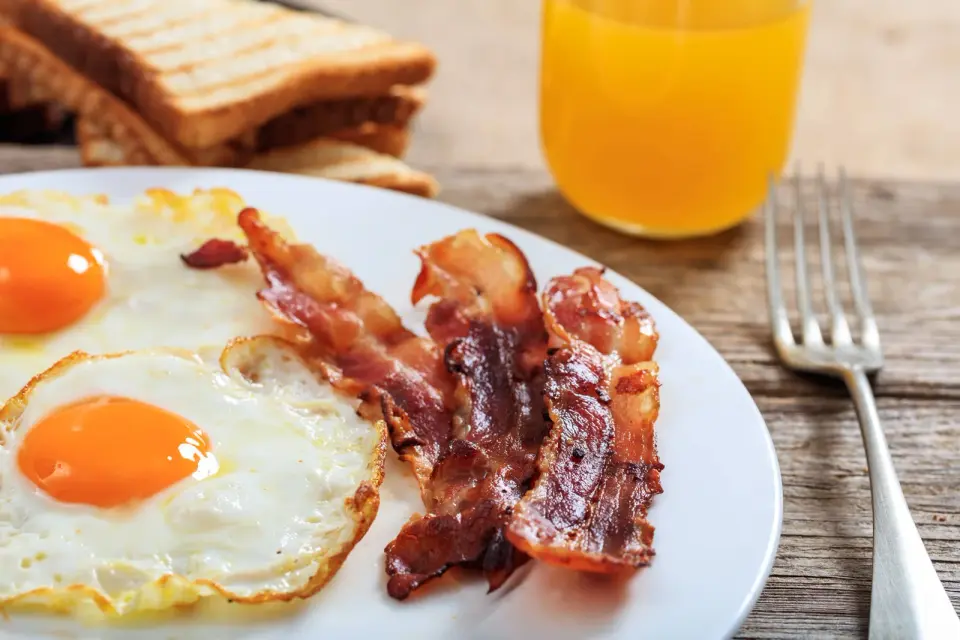
University of Waterloo researchers published a mathematical model in the Journal of Theoretical Biology suggesting that dietary vitamin C can inhibit nitrosation reactions triggered by nitrates and nitrites in processed meats. While the study indicates that antioxidant intake and meal timing may influence the formation of potentially cancer-linked compounds, it relies on simulations rather than human clinical trials. Experts caution that these findings do not negate the World Health Organization’s classification of processed meat as a carcinogen, but they provide a framework for future targeted experiments regarding digestive chemistry.
Key points
- The study used mathematical modeling to simulate interactions in the stomach, saliva, intestines, and blood plasma to examine how vitamin C affects nitrosation.
- Researchers found that vitamin C may inhibit the formation of compounds associated with cancer concerns when nitrates and nitrites are present during digestion.
- The model suggests that taking vitamin C supplements after meals could moderately reduce nitrosation products, though this has not been proven in human clinical trials.
- The findings aim to explain conflicting results from decades of research linking processed meat consumption to cancer by accounting for variables like meal timing and antioxidant intake.
- Experts emphasize that while the model offers a mechanistic roadmap for future studies, it does not prove that vitamin C prevents cancer or eliminates the risks associated with processed meat consumption.
Background
Research into the link between processed meats and cancer has produced conflicting results since the 1990s. The World Health Organization has previously identified processed meat as a cause of colorectal cancer. This new study attempts to resolve those inconsistencies by modeling the specific chemical reactions that occur during digestion, focusing on the role of antioxidants like vitamin C in inhibiting harmful compound formation.
Why it matters
This research provides a theoretical basis for understanding how meal composition and timing might influence digestive chemistry. While it does not change current dietary guidelines, it highlights the potential for more targeted interventions and clinical trials that focus on specific conditions where nitrosation is most likely to occur, potentially leading to more precise nutritional advice in the future.
What to watch
Researchers plan to use this mathematical model to design more targeted laboratory and clinical experiments. Future studies will focus on identifying specific populations and meal conditions where nitrosation is most likely to occur, aiming to validate the model's predictions through human trials and direct observation of digestive processes.
Want the full story? Read the original reporting
Read on AOL.com