
Metformin’s 60-Year Secret: A New Brain Pathway for Blood Sugar Control
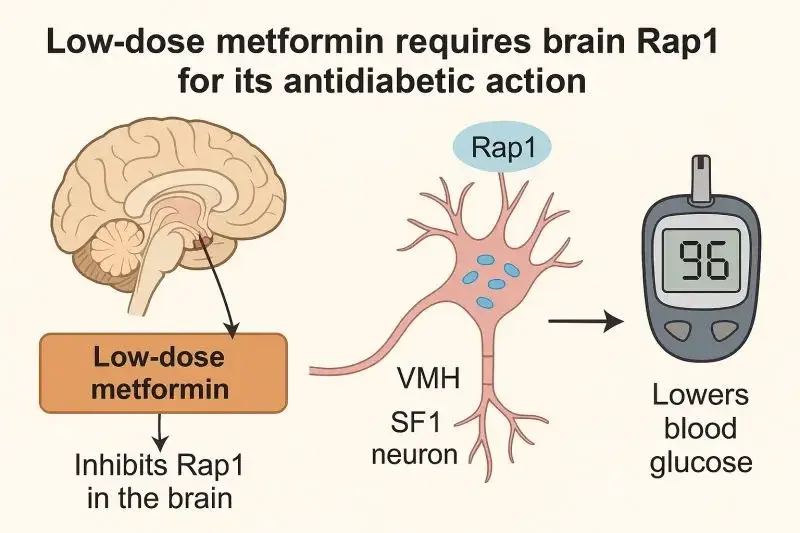
Researchers at Baylor College of Medicine have identified a new mechanism by which metformin, a standard diabetes drug, lowers blood glucose. The drug acts directly in the brain by suppressing the Rap1 protein in the hypothalamus, activating specific neurons that regulate glucose levels. This discovery adds to the known effects of metformin in the liver and gut and may lead to new therapies.
Key points
- Metformin acts in the brain to suppress the Rap1 protein in the hypothalamus.
- This action activates specific neurons that help lower blood glucose levels.
- The brain-based effect occurs even at very small doses of the drug.
- The discovery suggests metformin has had a hidden brain mechanism for decades.
- The findings could inspire new diabetes therapies targeting this brain pathway.
Background
Metformin is a widely used, generally well-tolerated diabetes medication, though it can cause side effects like diarrhea and nausea. Previous research, including a 2026 analysis of the Diabetes Prevention Program, showed that lifestyle changes outperformed metformin in preventing long-term multimorbidity. Additionally, studies have linked artificial sweeteners to faster cognitive decline, highlighting the complex relationship between diet, brain health, and metabolic conditions.
Why it matters
Understanding metformin's brain-based mechanism could lead to more effective and targeted treatments for diabetes and related metabolic conditions. It also provides a new avenue for research into how the brain regulates blood sugar, potentially benefiting patients who cannot tolerate metformin's gastrointestinal side effects.
What to watch
Researchers will likely explore the potential for developing new therapies that directly target the Rap1 pathway in the hypothalamus. Clinical trials may be initiated to test the efficacy of these brain-targeted approaches for managing blood glucose.
Want the full story? Read the original reporting
Read on Daily Kos