Tag

Rap1

All articles tagged with #rap1

Metformin’s Brain Link: New Pathway Behind a 60-Year-Old Diabetes Drug
science28 days ago

Metformin’s Brain Link: New Pathway Behind a 60-Year-Old Diabetes Drug

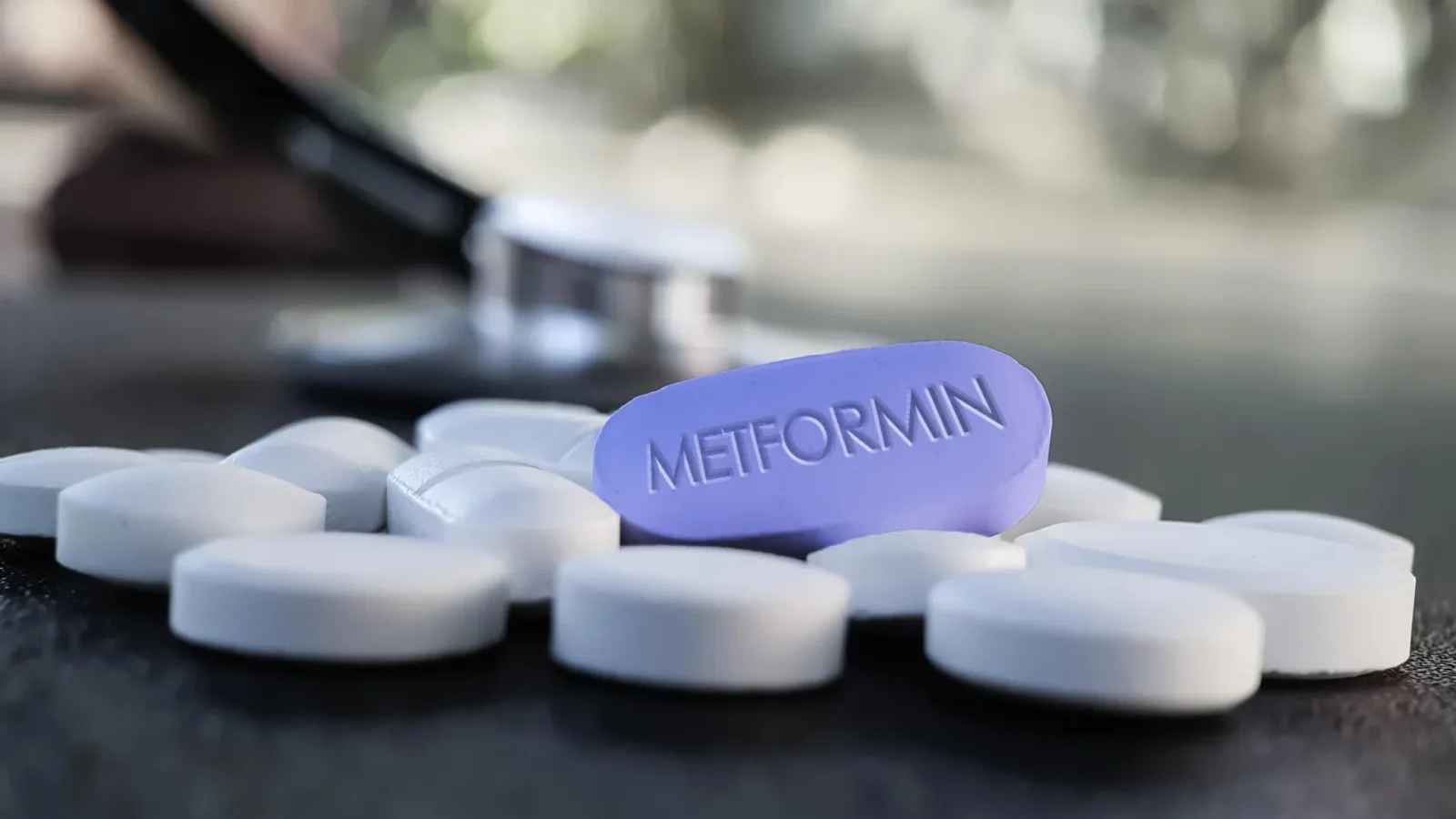
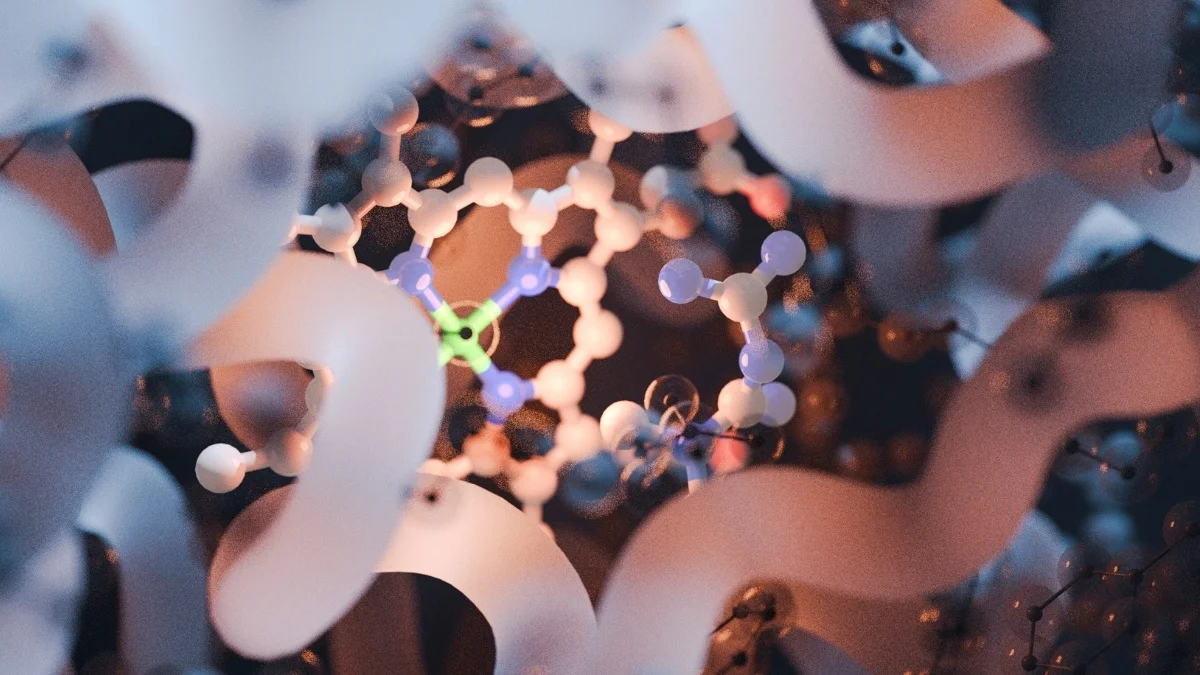
A Science Advances study in mice shows metformin lowers glucose via brain Rap1 signaling in the ventromedial hypothalamus, not just liver or gut; deleting Rap1 in this brain region abolishes metformin’s effect, while direct brain administration also lowers glucose, suggesting brain-targeted mechanisms could unlock new diabetes therapies and possibly aging benefits.
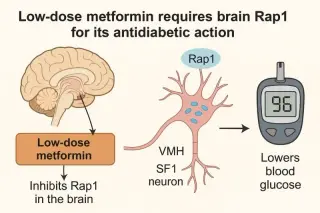

Metformin's brain action unveiled: Rap1 in the hypothalamus lowers blood sugar
health-and-medicine1 month ago

Metformin's brain action unveiled: Rap1 in the hypothalamus lowers blood sugar

Researchers find metformin lowers blood sugar by acting in the brain, specifically by suppressing Rap1 in the ventromedial hypothalamus to activate SF1 neurons. These effects occur at tiny brain doses, suggesting a brain pathway adds to the drug’s known liver and gut actions and could inspire new diabetes therapies and broadened understanding of metformin’s brain benefits.

Rivian R2 Bets on Mass Market With Four Trims and 330-Mile Range
technology2 months ago

Rivian R2 Bets on Mass Market With Four Trims and 330-Mile Range

Rivian’s R2 is designed to move the brand into mass‑market EVs, with a four‑trim lineup planned through 2027. The launch Performance model starts at about $57,990 (roughly $59,485 with destination) delivering 656 hp, 609 lb‑ft, 0–60 in 3.6 seconds, and about 330 miles of range; the lineup later adds a Standard Long Range and a base Standard model, with a target $45k price in late 2027. Early R2s will use Gen 2 RAP1 hardware (no lidar, no Level 3 autonomy yet) but Rivian plans Gen 3 hardware later, plus a 29‑minute 10–80% charge on NACS chargers. The goal is higher sales and better cash flow, though early tech and cost‑cutting choices mean some features will arrive after launch.

New Brain Mechanism Reveals How Metformin Lowers Blood Sugar
science4 months ago

New Brain Mechanism Reveals How Metformin Lowers Blood Sugar

Scientists discovered that metformin lowers blood sugar not only via the liver and gut but also by acting in the brain. In mice, metformin inhibits Rap1 in the ventromedial hypothalamus, activating SF1 neurons and reducing glucose; surprisingly small brain doses produced effects, and removing Rap1 from VMH abolished metformin’s action, illustrating a distinct brain pathway that could enable lower-dose, brain-targeted diabetes therapies in the future.

Metformin's Brain Pathway Unveiled, Paving Way for Next-Gen Diabetes Treatments
science5 months ago

Metformin's Brain Pathway Unveiled, Paving Way for Next-Gen Diabetes Treatments

New research shows metformin can act in the brain, reaching the ventromedial hypothalamus and inhibiting Rap1 signaling in SF1 neurons to help regulate glucose in mice, a mechanism distinct from its liver and gut effects. When Rap1 was removed, metformin no longer helped diabetes-like symptoms, suggesting a brain pathway. This could lead to brain-targeted diabetes therapies and broaden metformin’s uses, though human studies are needed and side effects like GI distress and kidney risk remain concerns; the drug is also linked to aging benefits.

Old Diabetes Drug Metformin Shows Brain-Led Control of Metabolism
health5 months ago

Old Diabetes Drug Metformin Shows Brain-Led Control of Metabolism

New preclinical work links metformin’s metabolic effects to the brain, showing it acts in the hypothalamus via the Rap1 pathway to enhance central insulin signaling and reduce liver glucose production in mice. This brain-first mechanism could reshape diabetes and obesity therapies, informing drug combinations and trial endpoints, but human validation is needed and questions remain about dosing, blood–brain barrier crossing, and interactions with AMPK.

Metformin's Hidden Brain Pathway Discovered After Six Decades
science11 months ago

Metformin's Hidden Brain Pathway Discovered After Six Decades

Researchers have discovered that metformin, a common diabetes drug, also acts in the brain, specifically in the ventromedial hypothalamus, by turning off the protein Rap1, which is essential for its blood sugar-lowering effects. This finding suggests new avenues for more targeted diabetes treatments and highlights the brain's role in metformin's mechanism of action.