
New Prostate Cancer Therapies Target Receptor Degradation and Protein Gluing
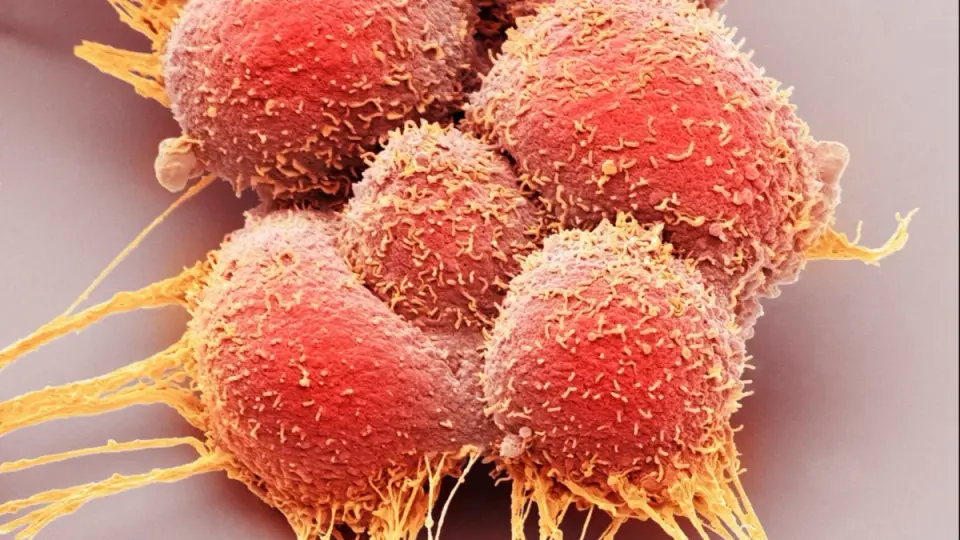
Two distinct experimental approaches for treating advanced prostate cancer have shown early promise. An oral drug called bavdegalutamide demonstrated significant tumor response in patients with specific gene mutations in a clinical trial, while a new preclinical molecule known as DALTAC-1 successfully disrupted cancer-driving protein complexes in animal models. Both strategies aim to overcome resistance to standard hormone therapies, though the former is in human testing and the latter remains preclinical.
Key points
- Bavdegalutamide (ARV-110) is an oral drug that degrades testosterone receptors, showing a 60% response rate in patients with T878/H875 mutations.
- The drug was tested in a combined phase I/II trial at Massachusetts General Hospital, Yale, and Arvinas, with results published in the Journal of Clinical Oncology.
- DALTAC-1 is a preclinical molecule that physically links the androgen receptor and p300 proteins, locking them in an inactive state to suppress cancer growth.
- DALTAC-1 was developed by researchers at the University of Michigan and published in Nature, showing high potency and selectivity in animal models.
- Side effects of bavdegalutamide, including nausea and fatigue, have led the developer to prioritize a successor drug, ARV-766, for future trials.
Background
Advanced prostate cancer, specifically metastatic castration-resistant prostate cancer (mCRPC), is often incurable and lethal. Standard treatments involve depriving tumors of testosterone, but cancers frequently mutate to rely on other hormones or develop resistance. Recent public attention to prostate cancer has been heightened by former President Joe Biden’s ongoing treatment for the disease, as noted in our archive from November 2026. While Biden’s case involves personal health updates, the scientific developments described here represent broader efforts to find effective treatments for patients whose tumors no longer respond to standard hormone deprivation therapies.
How outlets are covering it
ScienceAlert highlights the clinical trial results for bavdegalutamide, emphasizing its success in a specific subset of patients with T878/H875 mutations but noting significant side effects that may limit its use. They report that Arvinas is now prioritizing a newer drug, ARV-766, which uses a similar mechanism but has fewer adverse effects. In contrast, Nature and SciTechDaily focus on DALTAC-1, a preclinical molecule developed at the University of Michigan. While ScienceAlert discusses human trial data, the Nature and SciTechDaily sources emphasize the mechanistic novelty of 'gluing' proteins together to disrupt cancer signaling, noting that DALTAC-1 is approximately 1,000 times more potent than separate inhibitors in lab settings. The outlets differ in their stage of development: ScienceAlert covers a drug in human trials, while the other two cover a molecule still in animal testing, though both represent significant shifts from traditional hormone-blocking strategies.
Why it matters
These developments offer potential solutions for patients with advanced prostate cancer who have developed resistance to standard hormone therapies. The bavdegalutamide trial provides early evidence that targeting receptor degradation can slow disease progression in specific genetic profiles, while the DALTAC-1 research suggests a future approach that may be more effective and less toxic by disrupting protein interactions directly. Success in these areas could lead to new treatment options for a currently incurable and lethal condition.
What to watch
Arvinas is currently conducting a combined phase I/II trial for ARV-766, which is expected to be completed by May 2027. Meanwhile, the University of Michigan teams are working to identify a drug candidate suitable for human clinical trials based on the DALTAC-1 preclinical findings. Further studies are needed to determine if these approaches can translate into long-term survival benefits for patients.
- First-of-Its-Kind Drug Shows Early Promise Against Prostate Cancer ScienceAlert
- Domain-alteration chimeras rewire oncogenic complexes in prostate cancer Nature
- Scientists Discover a Powerful New Way To Kill Prostate Cancer Cells SciTechDaily
- Molecular brace traps two cancer-driving proteins to suppress prostate cancer growth in preclinical tests Medical Xpress
- Novel Androgen Receptor Degrader Demonstrates Antitumor Activity in Advanced Prostate Cancer The ASCO Post
Want the full story? Read the original reporting
Read on ScienceAlert