
Israeli Startup Claims 15-Minute AI Diagnosis for Brain Disorders
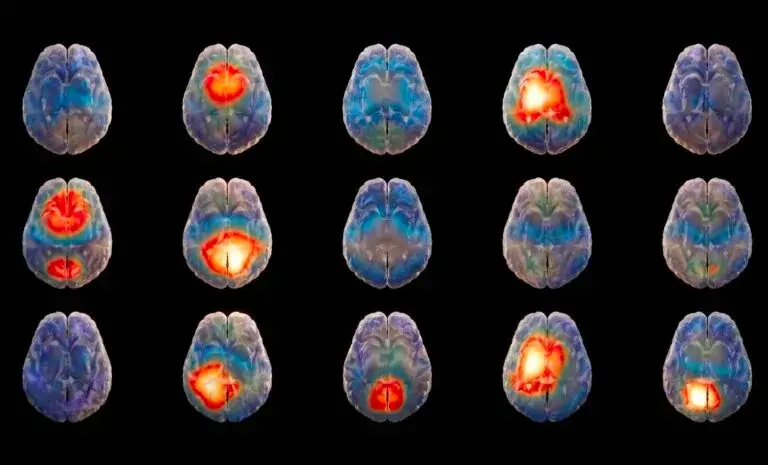
An Israeli startup has developed an artificial intelligence system capable of diagnosing brain disorders in approximately 15 minutes. This rapid diagnostic tool aims to address the significant delays often associated with traditional neurological assessments, potentially improving patient outcomes and healthcare efficiency. The technology represents a notable advancement in the application of AI within the medical field, specifically targeting complex brain conditions.
Key points
- The primary source, VINnews, reports that an Israeli startup has created an AI tool for diagnosing brain disorders.
- The diagnostic process using this AI system takes approximately 15 minutes.
- The development is highlighted as a significant advancement in medical technology and AI application.
- The article does not specify the name of the startup, the specific brain disorders targeted, or the exact mechanism of the AI diagnosis.
- No secondary sources were provided to corroborate or expand upon these claims.
Background
This development aligns with a broader trend in 2026 of leveraging advanced technologies for neurological conditions. Earlier coverage noted the use of noninvasive brain stimulation for rapid opioid detoxification at Rambam Health Care Campus in Haifa, demonstrating the potential of technology for rapid brain-related interventions. Additionally, discussions on real-time cognitive brain-computer interfaces for psychiatric conditions and the long lead times for dementia symptoms highlight the ongoing focus on improving the speed and accuracy of neurological diagnoses and treatments. The current AI diagnostic tool fits into this landscape of accelerating medical diagnostics through technological innovation.
Why it matters
The ability to diagnose brain disorders in 15 minutes could significantly reduce the time patients wait for critical diagnoses, potentially leading to earlier interventions and better outcomes. This advancement may also alleviate the burden on healthcare systems by streamlining diagnostic processes. However, the lack of detailed information in the primary source regarding the technology's accuracy, validation, and specific applications limits the immediate assessment of its impact. Further reporting and clinical trials will be necessary to determine the real-world efficacy and safety of this AI diagnostic tool.
What to watch
The next steps likely involve clinical trials to validate the accuracy and reliability of the AI diagnostic tool. There may also be efforts to secure regulatory approvals for its use in clinical settings. Further reporting is expected to provide details on the startup's identity, the specific brain disorders targeted, and the technology's performance in controlled studies. The development of this tool may also influence the broader adoption of AI in neurological diagnostics.
Want the full story? Read the original reporting
Read on VINnews