
Chair Rises and Floor Tests: Simple Movements Predict Longevity and Fall Risk
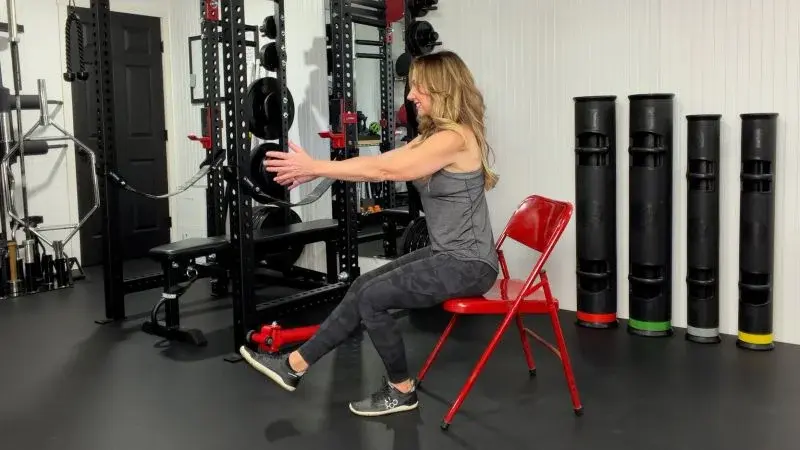
Basic movements like standing from a chair or rising from the floor are critical indicators of health, longevity, and fall risk. Experts emphasize that these actions test strength, balance, and coordination, with poor performance linked to higher mortality rates. Training these skills through progressive exercises can maintain independence and reduce injury risk across all age groups.
Key points
- The sit-to-stand chair test is a standard clinical tool for assessing fall risk, requiring strength, mobility, and balance.
- A 2025 study found that adults scoring low on a sitting-rising test had up to six times the risk of dying from cardiovascular disease.
- Falls are the leading cause of injury-related death for adults over 65, making functional mobility training essential.
- Experts recommend progressive exercises, such as supported floor-to-stand sequences, to improve strength and coordination safely.
- Maintaining the ability to perform daily movements without assistance is linked to better cognitive health and physical independence.
Background
Recent coverage in our archive highlighted the importance of adaptability and resilience in various contexts, including fitness and professional development. For instance, a Utah woman with Down syndrome recently became a certified fitness instructor, emphasizing the value of inclusive and adaptive training methods. This aligns with the current focus on functional fitness, which prioritizes practical movements over traditional gym metrics to ensure long-term health and independence.
How outlets are covering it
CNN highlights the sitting-rising test as a predictor of longevity, citing a 2025 study where low scores correlated with higher mortality risks. It provides specific training protocols, such as sit-to-stand and floor-to-stand exercises, to improve functional capacity. HuffPost focuses on the sit-to-stand chair test as a quick snapshot of overall functional mobility, noting its link to cognitive health and the decline of muscle mass after age 40. It emphasizes that strength remains trainable in older adulthood. Upworthy broadens the perspective by listing six longevity clues, including walking speed, grip strength, and social connection, alongside the ability to stand from a seated position. While CNN and HuffPost focus on specific tests, Upworthy presents a holistic view of aging, suggesting that consistent, low-intensity movement throughout the day is also crucial for longevity. All sources agree that these movements are not just signs of aging but skills that can be trained and improved at any age.
Why it matters
As populations age, the risk of falls and loss of independence increases. Functional fitness, which focuses on movements required for daily life, is becoming a critical component of health maintenance. By training basic movements like standing from a chair or rising from the floor, individuals can reduce their risk of injury, maintain cognitive health, and extend their functional lifespan. This shift in focus from traditional exercise metrics to practical mobility highlights the importance of adapting fitness routines to real-world demands.
What to watch
Healthcare providers and fitness professionals are likely to continue integrating functional movement tests into routine assessments. There may be increased public awareness and adoption of home-based exercises designed to improve strength, balance, and coordination. Research may further explore the link between functional mobility and cognitive health, potentially leading to new guidelines for aging populations. Additionally, there could be a growing emphasis on preventive care, encouraging individuals to start training these skills earlier in life to maintain independence for longer.
- What your daily movements may say about your longevity, according to an expert CNN
- What Can a Biological Age Test Actually Tell You? The New York Times
- Elder-care researcher reveals 6 powerful clues older adults will live a long life Upworthy
- Doctors Say This Simple 10-Second Test Can Reveal a Lot About How You’re Aging Parade Magazine
- If You Can’t Pass This Chair-Rise Test, We Have Bad News For You HuffPost
Want the full story? Read the original reporting
Read on CNN