Tag

Functional Fitness

All articles tagged with #functional fitness

Squat Benchmarks and Strength Training Strategies for Aging Adults
health14 days ago

Squat Benchmarks and Strength Training Strategies for Aging Adults

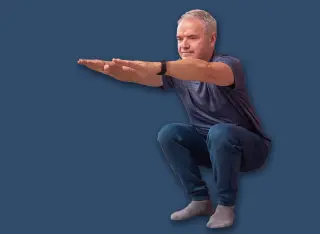
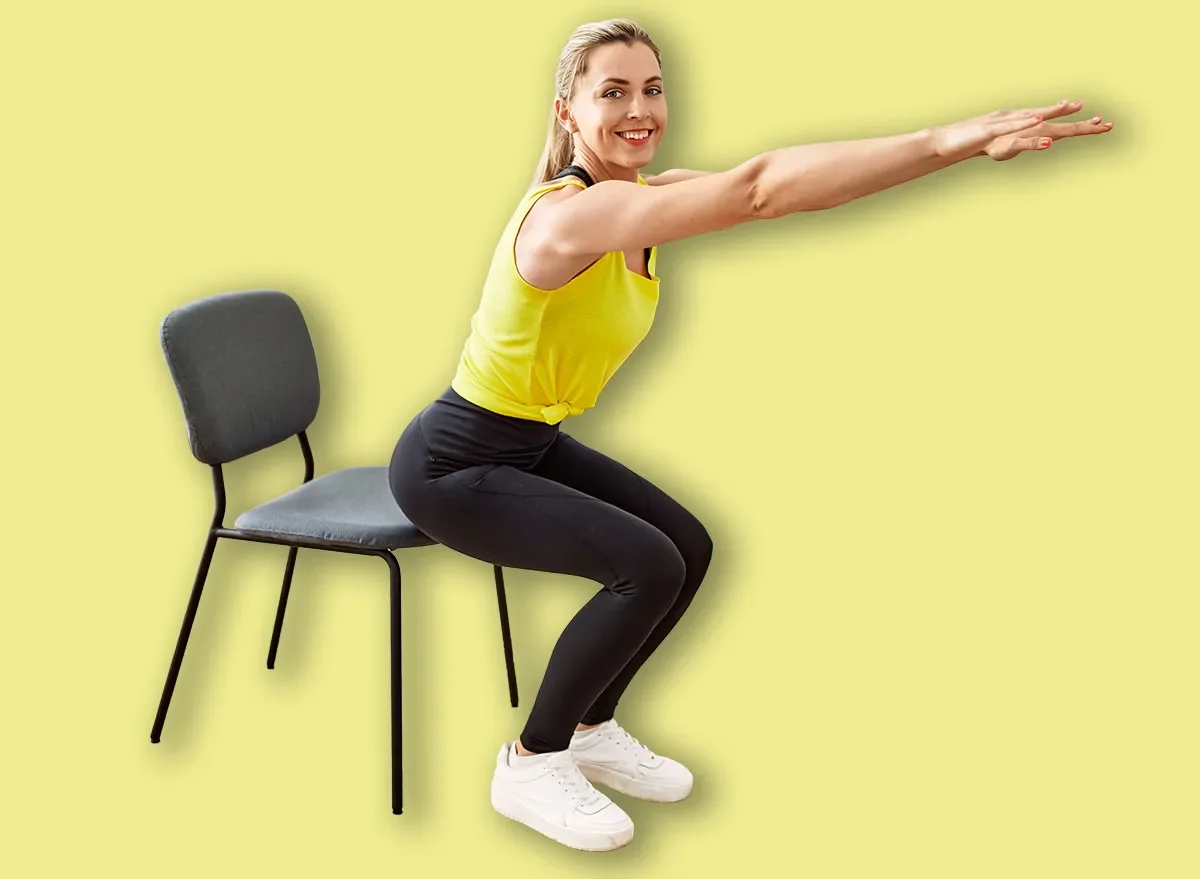
Squats serve as a critical indicator of functional independence and fall risk, with benchmarks varying by age and gender. While older adults may struggle with full bodyweight squats, modified versions like chair squats are recommended to maintain lower-body strength. Consistent strength training, including upper-body exercises, is essential to counteract age-related muscle loss and preserve daily mobility.
Experts Detail Simple Routines to Combat Age-Related Muscle Loss
health-and-fitness1 month ago

Experts Detail Simple Routines to Combat Age-Related Muscle Loss

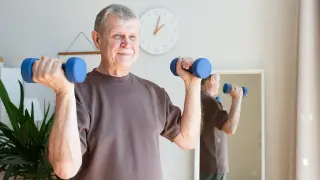
Multiple health experts emphasize that strength training is critical for longevity, regardless of age. Dr. Mark Hyman recommends a six-move routine for older adults, while Leslie Kenny suggests three bodyweight exercises for those in their 40s. A landmark 1990 study proves that even nonagenarians can significantly increase muscle mass through consistent resistance training.

Chair Rises and Floor Tests: Simple Movements Predict Longevity and Fall Risk
health-and-wellness1 month ago

Chair Rises and Floor Tests: Simple Movements Predict Longevity and Fall Risk

Basic movements like standing from a chair or rising from the floor are critical indicators of health, longevity, and fall risk. Experts emphasize that these actions test strength, balance, and coordination, with poor performance linked to higher mortality rates. Training these skills through progressive exercises can maintain independence and reduce injury risk across all age groups.

Six physical and social markers predict longevity for adults over 60
health1 month ago

Six physical and social markers predict longevity for adults over 60

Healthcare researcher Neal Shah identifies six key indicators of longevity for adults over 60: brisk walking speed, grip strength, the ability to stand from a seated position without using hands, single-leg balance, social connectivity, and consistent daily movement. While these markers highlight current health, Shah emphasizes that all are modifiable through targeted exercises and lifestyle adjustments, regardless of age.

Dead Hangs: A Simple Strength Test for Women Over 40
health-and-fitness3 months ago

Dead Hangs: A Simple Strength Test for Women Over 40

Experts recommend the dead hang as a critical strength exercise for women over 40 to combat age-related muscle loss and support daily functional independence. This simple movement tests grip, shoulder stability, and core control, serving as a measurable benchmark for physical capability. While perimenopause can accelerate muscle decline, consistent grip training helps preserve the ability to perform everyday tasks like lifting groceries or rising from the floor. Beginners can start with short holds or use assisted variations, gradually increasing duration to build a strength reserve for long-term health.

Gym priorities shift from weight loss to strength as GLP-1s change the fitness landscape
health-and-fitness3 months ago

Gym priorities shift from weight loss to strength as GLP-1s change the fitness landscape

A new survey by Life Time indicates that strength training has overtaken weight loss as the primary health goal for Americans. This shift is driven by the widespread use of GLP-1 medications for weight management, which has redirected focus toward preserving muscle mass, improving mobility, and enhancing long-term functional health rather than solely pursuing aesthetic changes.

Strength in 12 Minutes: A Morning Routine for Boosting Fitness After 50
mind-body4 months ago

Strength in 12 Minutes: A Morning Routine for Boosting Fitness After 50

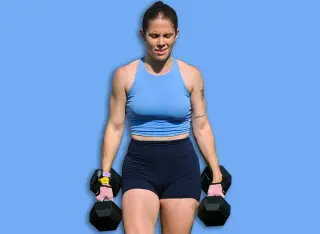
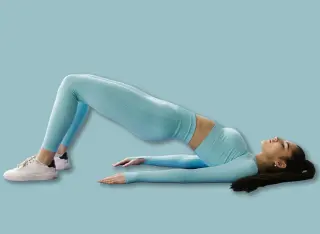
A fitness trainer promotes a 12-minute, six-move morning routine for people over 50 that builds full-body strength, balance, and mobility using just a sturdy chair and a bit of space: sit-to-stand, wall push-ups, standing knee drives, resistance-band rows, glute bridges, and farmer’s carries, highlighting quality and consistency over longer workouts.

Six Moves to Stay Strong and Independent as You Age
health-and-wellness4 months ago

Six Moves to Stay Strong and Independent as You Age

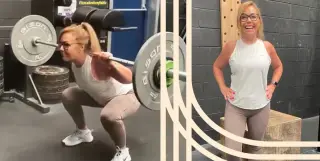
A longevity-focused health piece argues that strength training improves muscle mass, bone density, balance, metabolic health, sleep, mood, and independence in later life. It highlights six practical moves—squats, Romanian deadlifts, lunges, push-ups, farmer’s carries, and step-ups—each with suggested reps and progression, and emphasizes recovery, adequate protein, and a balanced routine that also includes cardio and flexibility.

One weekly workout can build muscle after 70, says physical therapist
health5 months ago

One weekly workout can build muscle after 70, says physical therapist

A physical therapist says you can build muscle and maintain independence after age 70 with as little as one high-effort training session per week. The key is to challenge the nervous system with high-rep, multi-joint movements using light weights, aiming for 20–25 reps per set and near-failure by the last reps. Exercises should focus on leg, push, and pull movements, and routines can be done at home, offering a simple path to preserve strength and daily function into advanced age.

Boost Your Steps: 5 At-Home Leg-Strength Moves for 60+
mind-body5 months ago

Boost Your Steps: 5 At-Home Leg-Strength Moves for 60+

An expert-guided routine offers five equipment-free exercises—sit-to-stands, step-ups, wall sits, glute bridges, and calf raises—to rebuild leg strength after 60. The moves target the major leg muscles while boosting balance and mobility, translating into easier stair use and reduced fall risk. Follow the suggested sets and reps (about 8–15 reps per move, 2–3 sets, and 20–45 seconds for wall sits) to develop functional strength for daily life.

Five-Minute Chair Test: A Quick Gauge of Fitness at 55
fitness8 months ago

Five-Minute Chair Test: A Quick Gauge of Fitness at 55

A five-minute, hands-free sit-to-stand test from a chair can reveal functional fitness after age 55 by simultaneously challenging legs, core stability, and heart–lung endurance. If you maintain a steady pace with proper posture for the full five minutes, you’re considered above average for your age. Research links sit-to-stand performance to mobility, fall risk, and even mortality, making this a practical real‑world gauge of fitness. The article provides step-by-step guidance: sit tall, cross arms, brace the core, rise through the heels with a fully extended hip, lower with controlled descent, and breathe steadily to sustain a sustainable tempo without knee strain.