
Creatine's Midlife Muscle Promise: A Three-Month Personal Trial Meets New Research
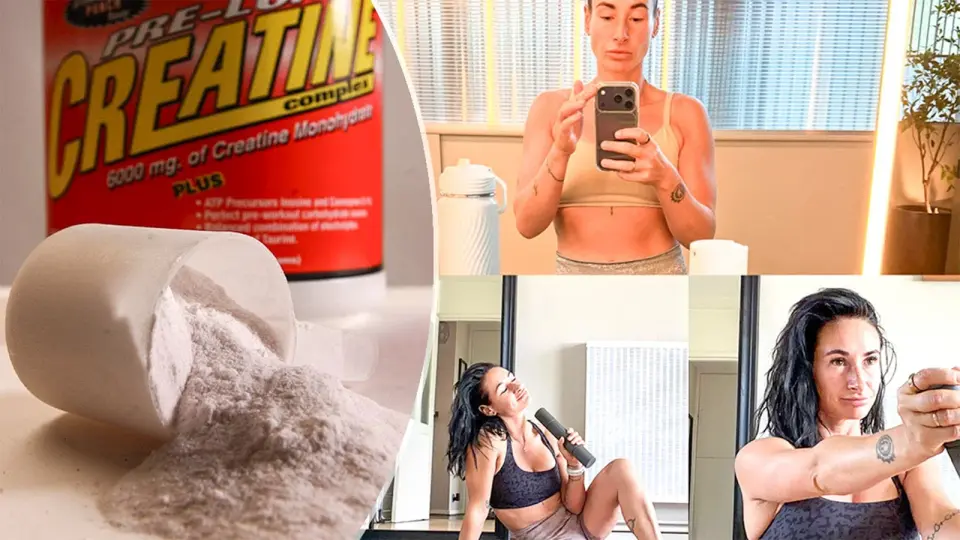
Tom's Guide reports on a three-month personal trial of creatine, highlighting its growing popularity among non-athletes. The Independent cites new research linking creatine to midlife muscle preservation, while Bicycling.com provides standard dosage and safety guidelines. The consensus is that creatine is a viable supplement for general health, not just bodybuilding.
Key points
- Tom's Guide details a three-month personal experience with creatine, noting changes in body composition and energy levels.
- The Independent references a study suggesting creatine is key to maintaining muscle mass during midlife.
- Bicycling.com outlines standard benefits, potential side effects, and recommended dosages for creatine supplementation.
- All three sources agree that creatine is increasingly recognized for benefits beyond athletic performance.
Background
This story builds on the broader trend of supplements being marketed for general wellness rather than just sports performance. Unlike the unrelated archive items on Linux and football transfers, this focuses on health trends. The shift in creatine's perception from a niche bodybuilding supplement to a mainstream health product is the key background.
How outlets are covering it
Tom's Guide emphasizes personal anecdotal evidence from a three-month trial, focusing on individual results. The Independent leans on scientific research, specifically highlighting midlife muscle retention as a primary benefit. Bicycling.com takes a more clinical, informational approach, detailing dosage and side effects without personal narrative. The outlets differ in focus: personal experience vs. scientific study vs. medical guidance, but all agree on creatine's expanding utility.
Why it matters
As aging populations seek ways to maintain physical function, creatine's role in muscle preservation becomes a significant health topic. Understanding its benefits and risks is crucial for consumers considering supplementation for general health, not just athletic performance.
What to watch
Expect more research on creatine's long-term effects for non-athletes and midlife populations. Consumer interest may drive further studies and product development targeting general wellness rather than just sports performance.
- I've been taking creatine for almost 3 months, and here's exactly what's happened to my body Tom's Guide
- New Research Suggests Creatine May Help Boost Strength After 45—Even Without Exercise health.com
- One Scoop, More Power? What Cyclists Need to Know Before Trying Creatine bicycling.com
- A study has found creatine could be the key to midlife muscle – here’s why I’ve been using it for years The Independent
- No bulk, all strength: how creatine can help women boost performance South China Morning Post
Want the full story? Read the original reporting
Read on Tom's Guide