
Beyond Milk: How Varied Diets and Movement Combat Age-Related Bone Loss
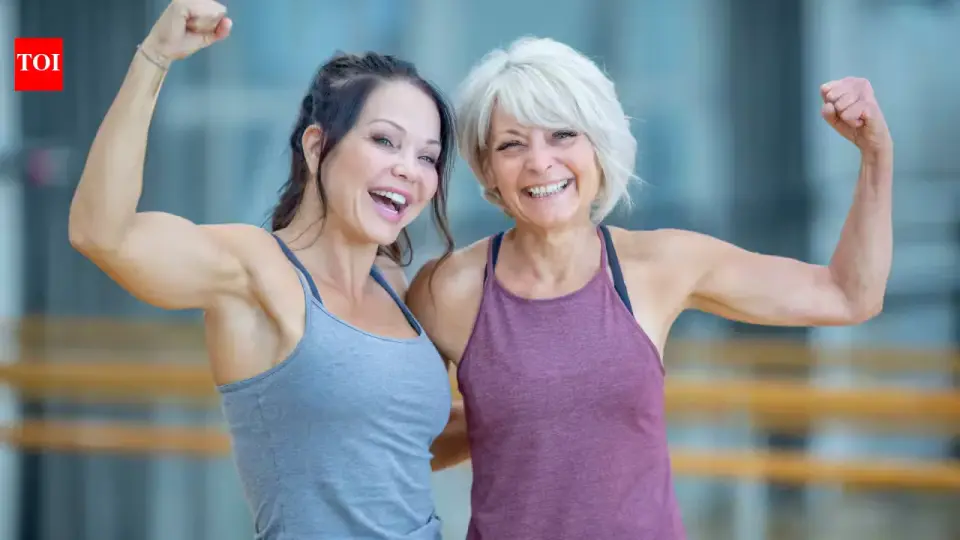
Bone density declines silently with age, but dietary variety and physical activity can mitigate fracture risks. While calcium is central, nutrients like vitamin D, protein, and magnesium are equally vital. Recent studies link higher dairy intake to a 46% reduction in hip fractures, yet diverse sources like legumes, seeds, and leafy greens offer accessible alternatives. Combining these foods with regular weight-bearing exercise provides a comprehensive defense against skeletal deterioration.
Key points
- Bone strength relies on a combination of calcium, vitamin D, protein, and other minerals, not just dairy consumption.
- A study of 7,195 elderly individuals found that higher dairy intake over two years was associated with an 11% reduction in falls and a 46% decrease in hip fracture risk.
- Recommended daily calcium intake varies by age and gender, ranging from 1,000 mg for adults aged 19-50 to 1,200 mg for older adults, according to the NIH.
- Non-dairy options such as ragi, sesame seeds, soy, and small fish eaten with bones provide significant calcium and protein for those avoiding or unable to consume dairy.
- Physical activity, including weight-bearing exercises and traditional practices like tai chi, complements dietary efforts to maintain bone density and muscle mass.
Background
Previous coverage has highlighted the role of gut microbiome health in maintaining muscle strength, noting that older adults often have lower levels of specific bacteria linked to muscle function. Additionally, experts have recommended supplements like vitamin D and creatine to support aging muscles, while large-scale reviews have confirmed that traditional exercises like tai chi improve bone density and reduce pain in musculoskeletal conditions. These findings underscore that bone health is multifactorial, involving both nutritional and physical components.
How outlets are covering it
The Times of India emphasizes the accessibility of bone-supporting foods within Indian diets, highlighting staples like ragi, curd, and soy as practical, low-cost options. It stresses that bone health is a gradual process requiring consistent dietary habits rather than reliance on a single 'magic' food. In contrast, Grazia Magazine focuses on the quantitative impact of specific foods, citing a study that links dairy consumption to a significant 46% drop in hip fracture risk. Grazia also highlights international options like chia seeds and dried figs, noting that while dairy is effective, a varied diet including canned fish and soy can achieve similar protective outcomes. Both sources agree that bone loss is a silent, progressive issue, but they differ in their primary focus: The Times of India prioritizes cultural dietary integration, while Grazia emphasizes statistical risk reduction through specific nutrient-dense foods.
Why it matters
As populations age, the risk of osteoporosis and fractures increases, leading to significant healthcare costs and reduced quality of life. Understanding that bone health depends on a broad spectrum of nutrients and physical activity, rather than just calcium intake, allows for more effective preventive strategies. By integrating affordable, culturally relevant foods and regular exercise into daily routines, individuals can proactively strengthen their skeletal systems and reduce the likelihood of debilitating injuries later in life.
What to watch
Health authorities are likely to continue promoting diverse dietary guidelines that emphasize whole foods over supplements. Further research may explore the synergistic effects of specific nutrients and physical activities on bone density. Public health campaigns may also focus on early intervention, encouraging bone-supporting habits before the onset of significant bone loss, particularly around menopause and in older adults.
Want the full story? Read the original reporting
Read on The Times of India