
Nutritional Differences Between Green and Red Apples Are Minimal, Experts Say
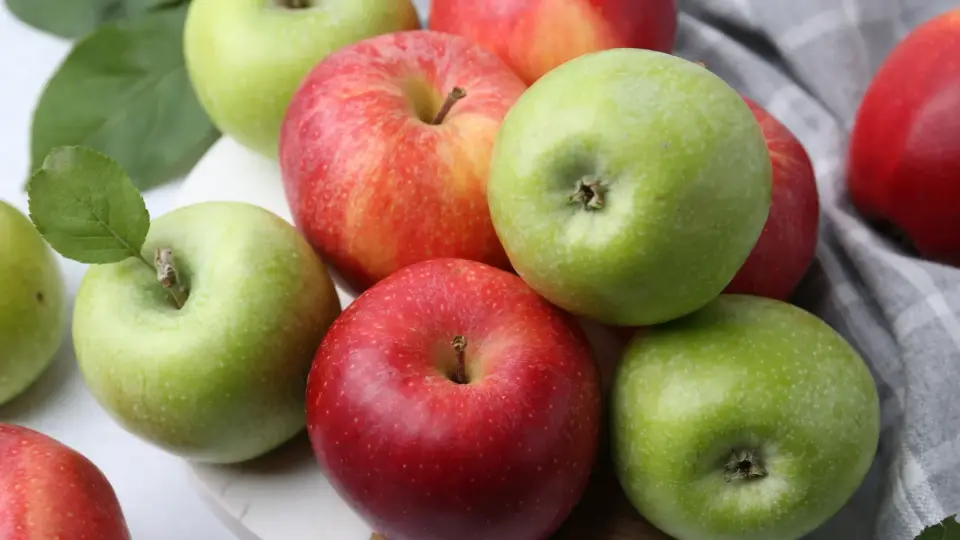
Green and red apples offer nearly identical health benefits, with differences mainly in flavor, texture, and sugar content. Both provide fiber, vitamin C, and antioxidants, making either a good choice for daily consumption.
Key points
- Green apples, like Granny Smith, are tart and firm due to higher malic acid and chlorophyll, while red varieties, such as Gala and Fuji, are sweeter and juicier because of anthocyanins and more natural sugars.
- Both types provide similar nutritional benefits, including fiber, vitamin C, potassium, and antioxidants, though red apples have heart- and brain-healthy anthocyanins, and green apples have chlorophyll that reduces oxidative stress.
- Green apples contain slightly less sugar and calories, which may benefit those on strict low-sugar diets, but the difference is negligible for most people.
- Leaving the peel on is recommended for both types, as the skin contains much of the fiber and antioxidants.
- Daily apple consumption is linked to better diet quality and lower chronic disease risk, but individuals with digestive sensitivities or diabetes should monitor portion sizes and pair apples with protein or fats to stabilize blood sugar.
Background
This follows earlier coverage of health-related comparisons, such as melatonin versus magnesium for sleep and smart-TV platforms, but no prior archive articles specifically address apple nutrition. The Apple Watch Ultra 4 rumors highlight ongoing interest in health tech, but this story focuses on dietary choices rather than devices.
Why it matters
Understanding that green and red apples are nutritionally similar helps consumers make informed choices based on taste preferences rather than perceived health superiority, supporting consistent fruit intake for long-term health benefits.
What to watch
Consumers can continue choosing apples based on flavor preference, while those with specific dietary needs, such as diabetes or digestive issues, should consult healthcare providers about portion sizes and potential medication interactions with apple juice.
Want the full story? Read the original reporting
Read on USA Today