
Nutritionists Detail How Chia Seeds Support Heart Health and Satiety
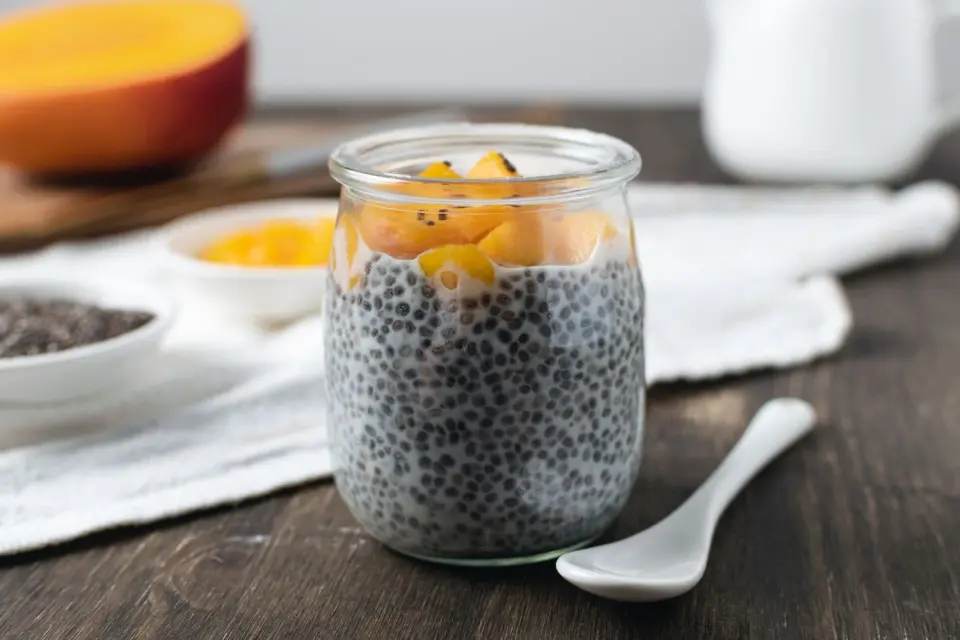
Chia seeds offer significant health benefits, including improved satiety, gut health, and reduced inflammation, according to registered dietitians. The tiny seeds from Salvia hispanica are rich in soluble fiber, protein, and omega-3 fatty acids. These nutrients help lower cholesterol, stabilize blood sugar, and protect cells from oxidative stress. Experts recommend soaking the seeds before consumption to prevent choking risks and enhance nutrient absorption. Versatile uses include chia pudding, smoothies, and baked goods.
Key points
- Chia seeds contain high levels of protein and soluble fiber, which help reduce hunger hormones and stabilize blood sugar levels.
- The fiber content supports gut health by feeding beneficial bacteria and promoting digestive regularity.
- Antioxidants such as caffeic acid and quercetin help protect cells from oxidative stress, potentially lowering the risk of chronic diseases.
- Omega-3 fatty acids in chia seeds help reduce inflammation and support heart health by lowering LDL cholesterol and triglycerides.
- Experts advise soaking chia seeds for at least 15 minutes to form a gel, which improves texture and prevents potential choking hazards from dry seeds swelling in the digestive tract.
Background
Previous coverage noted that chia seeds are among the top plant-based proteins recommended for reducing chronic inflammation, alongside walnuts and edamame. While some studies suggest chia seeds may lower inflammatory markers like C-reactive protein, evidence remains limited to specific populations. The current article expands on these benefits by detailing the mechanisms of fiber and omega-3s in supporting overall metabolic and cardiovascular health.
Why it matters
Understanding the nutritional profile of chia seeds allows individuals to make informed dietary choices that support long-term health. By incorporating these seeds into daily meals, people can address common health concerns such as high cholesterol, inflammation, and digestive irregularities. Proper preparation methods ensure safety and maximize the bioavailability of key nutrients, making chia seeds a practical and effective addition to a balanced diet.
What to watch
Consumers are encouraged to experiment with various preparations, such as chia pudding or adding seeds to overnight oats, to integrate the nutrient-dense food into their routines. Continued research may further clarify the specific populations that benefit most from chia seed consumption, particularly regarding inflammatory markers. For now, dietitians recommend consistent, moderate intake as part of a varied diet.
Want the full story? Read the original reporting
Read on Martha Stewart