
Ritual Launches Non-Hormonal Perimenopause Supplement Amidst Growing Scrutiny of Unregulated Menopause Treatments
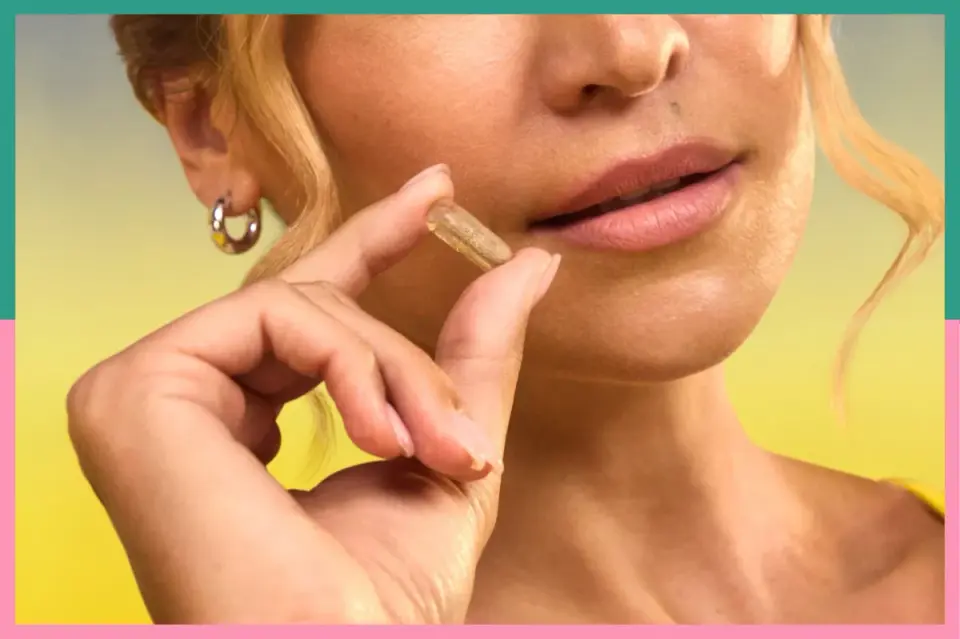
Ritual has launched a new daily pill, Perimenopause Health, designed to address symptoms like hot flashes and mood swings without using hormones. The product features ingredients such as diindolylmethane (DIM) and a shatavari derivative, targeting women who are ineligible for or hesitant about hormone replacement therapy (HRT). While the brand emphasizes third-party testing and clinical backing, medical experts caution that many over-the-counter supplements lack robust evidence for efficacy. This release occurs against a backdrop of HRT shortages and a broader shift toward non-hormonal options, though clinicians stress the importance of consulting physicians before using unregulated products.
Key points
- Ritual, a certified B Corporation founded in 2016, introduced Perimenopause Health, a daily supplement priced at $39.00 (currently $31.20).
- The formula includes diindolylmethane (DIM) to help break down estrogen, SheVari4 (a shatavari extract derivative) for mood and sleep, evening primrose for night sweats, and vitamin B for hormonal activity.
- The product is vegan, gluten-free, non-GMO, and third-party tested, developed with OB/GYNs on Ritual’s scientific advisory board.
- A 2023 study cited by the New York Post indicates that over 50% of women seek natural alternatives to HRT, partly due to current shortages of estrogen patches.
- Novant Health ob-gyn Dr. James Meek advises patients to ask specific questions about symptom targets and evidence before purchasing supplements, noting that many unregulated treatments are not harmful but are often less effective than HRT.
- Perimenopause symptoms can begin in the mid-30s, with the average onset in the mid-40s, and may last up to 10 years or more.
Background
Recent coverage highlights a global push for proactive menopause care, shifting from passive endurance to active management of cardiovascular and bone health risks. Earlier reports noted the approval of Veoza, a non-hormonal drug for hot flashes, and studies linking early hormone therapy to lower heart risks. The current landscape is characterized by a mix of FDA-approved treatments, non-hormonal prescriptions, and a surge in consumer-driven supplement markets.
How outlets are covering it
The New York Post frames the new Ritual supplement as a viable 'secret weapon' for women avoiding HRT, emphasizing brand transparency and clinical partnerships. In contrast, Novant Health’s Dr. James Meek offers a more cautious perspective, warning that supplements like black cohosh or custom compounds often lack the efficacy of FDA-approved treatments. While the Post highlights the convenience and natural appeal of the new pill, Meek stresses that patients should verify what a product treats and ensure it fits their broader health profile, cautioning against conflicts of interest in clinics that both diagnose and sell preferred products. Both sources agree that HRT remains the most effective treatment for many symptoms but acknowledge the growing demand for alternatives due to cost, availability, or personal preference.
Why it matters
The proliferation of menopause treatments, including supplements and compounded hormones, creates a complex decision-making environment for women. As HRT faces shortages and stigma, understanding the evidence behind non-hormonal options is critical for managing symptoms like hot flashes and mood swings without compromising long-term health. This highlights the need for informed consumer choices and medical guidance in navigating the menopause market.
What to watch
Consumers are likely to continue seeking non-hormonal alternatives as HRT shortages persist. Medical professionals may increasingly focus on educating patients about the limitations of over-the-counter supplements versus FDA-approved therapies. Further clinical trials may be required to substantiate the claims of popular supplements like those containing DIM or shatavari extracts.
- HRT not for you? This supplement may be your secret weapon for battling perimenopause symptoms New York Post
- Menopause treatments are everywhere. How do you know what’s worth trying? Novant Health
- I wasted £1,000 on menopause supplements – then found out what really works The i Paper
- Dr Amir Khan shares 4 menopause supplement alternatives that are actually worth taking Woman & Home
Want the full story? Read the original reporting
Read on New York Post