Tag

Dietary Supplements

All articles tagged with #dietary supplements

Long-Term Study Finds Daily Multivitamins Do Not Boost Longevity
health1 month ago

Long-Term Study Finds Daily Multivitamins Do Not Boost Longevity

A 20+ year analysis of 390,000+ generally healthy U.S. adults found that daily multivitamin use does not lower overall mortality or deaths from cancer, heart disease, or stroke. An initial slight (about 4%) higher death risk among users likely reflects underlying lifestyle differences rather than a harmful effect. While certain groups may benefit from specific supplements (folic acid in pregnancy, post-bariatric surgery, and some eye-disease nutrient combinations), for most adults a daily multivitamin is unlikely to extend lifespan. Emphasis remains on diets rich in vegetables, fruits, legumes, and whole grains, which are consistently linked to longer life.

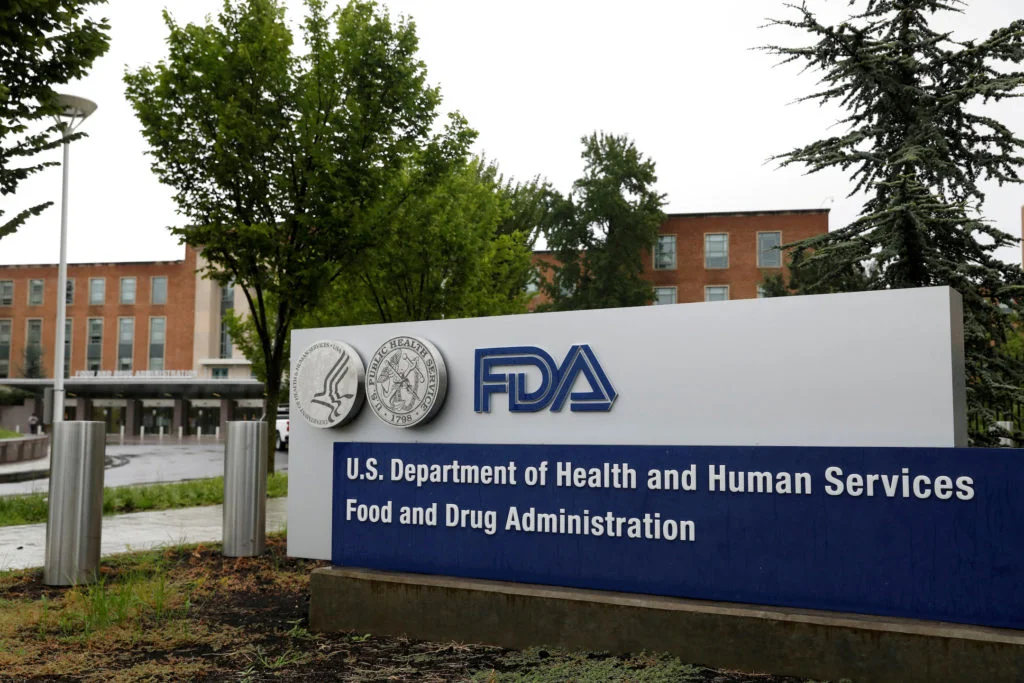
Regulatory rethink: FDA weighs adding peptides and non-food ingredients to supplements
policy1 month ago

Regulatory rethink: FDA weighs adding peptides and non-food ingredients to supplements

Industry groups are pressing the FDA to broaden dietary-supplement rules beyond food-derived ingredients to include substances like peptides and probiotics, prompting a public meeting on how a 1994 framework could accommodate non-traditional ingredients while grappling with safety, oversight, and the balance between innovation and consumer protection.

Fiber First: Whole-Plant Foods Beat Supplements for Gut Health
health2 months ago

Fiber First: Whole-Plant Foods Beat Supplements for Gut Health

Gastroenterologists say most people should boost fiber mainly through a variety of fiber-rich plant foods (fruits, vegetables, whole grains, beans, nuts, seeds) to support the gut microbiome and reduce chronic-disease risk, with daily targets of 25 g for women and 38 g for men, though many Americans average about 15 g. Supplements like psyllium can help when diet alone falls short, but they provide a single type of fiber and don’t offer the wide range of nutrients found in whole foods.

Supplements aren’t a cancer shield, warns an oncologist
health3 months ago

Supplements aren’t a cancer shield, warns an oncologist

An oncologist notes that while most dietary supplements aren’t harmful, some—particularly antioxidants for immunocompromised patients—should be used with caution. There’s no clear evidence that supplements prevent cancer, and their use can raise safety and interaction concerns with cancer therapies; patients should discuss any supplement plan with their clinician and be mindful of regulatory and safety considerations.

health-and-wellness4 months ago

Nutritionist Shares 3 Tips to Combat Brain Fog During Perimenopause for Samantha Ruth Prabhu

Samantha Ruth Prabhu discussed perimenopause and brain fog with nutritionist Rashi Chowdhary, who suggested starting the day with healthy fats, adding lion's mane mushroom, and using smart supplements like creatine and CoQ10 to improve cognitive function. Expert fact-checking by Dr. Ravina Patel highlighted the importance of a balanced diet and clarified that some claims, like the efficacy of lion's mane mushroom, lack sufficient scientific evidence, emphasizing sustainable and affordable health practices.

Dietitians Weigh In on the Protein Powder Trend and Its Benefits
health7 months ago

Dietitians Weigh In on the Protein Powder Trend and Its Benefits

The article discusses the rising popularity of protein powders driven by social media and consumer demand, highlighting that while protein is essential for health, most people can meet their needs through whole foods rather than supplements, which can sometimes contain unsafe levels of contaminants like lead. Experts recommend focusing on high-quality, whole food sources of protein and consuming adequate amounts at each meal, especially for children, older adults, and athletes, rather than relying heavily on protein powders.

Sea Moss: The Beauty and Health Trend Under the Spotlight
health-and-wellness8 months ago

Sea Moss: The Beauty and Health Trend Under the Spotlight

Sea moss, a nutrient-rich seaweed popularized by social media influencers, is traditionally used for its potential health benefits, but scientific evidence supporting these claims is limited. While it contains beneficial nutrients like fiber, vitamins, and minerals, concerns about heavy metal contamination and excessive iodine intake suggest moderation and caution, especially for certain groups. Experts recommend incorporating sea moss as part of a balanced diet rather than relying on supplements or trendy products.

Rethinking Veganism: Myths, Mistakes, and Health Insights
health-and-wellness10 months ago

Rethinking Veganism: Myths, Mistakes, and Health Insights

The article debunks common vegan food myths, emphasizing that not all vegan foods are healthy, plant-based meat substitutes can be highly processed, almond milk isn't the best dairy alternative nutritionally, increasing fiber suddenly can cause digestive issues, plant proteins vary in quality, and vegans may need supplements for certain nutrients. It encourages curiosity and informed choices for a balanced vegan lifestyle.

Combat Night Leg Cramps with This Essential Vitamin
health1 year ago

Combat Night Leg Cramps with This Essential Vitamin

A recent study published in JAMA Internal Medicine suggests that vitamin K2 may help reduce nocturnal leg cramps, which are common involuntary muscle contractions occurring during sleep. The study involved participants over 65 who experienced night cramps, with those receiving 180 micrograms of vitamin K2 showing a significant decrease in cramps compared to a placebo group. Vitamin K is essential for bone health and blood clotting, and is found in foods like dark leafy greens and fermented products. However, individuals on blood thinners should consult a physician before increasing vitamin K intake.

Omega-3 and Omega-6 Fatty Acids Linked to Lower Cancer Risk
health1 year ago

Omega-3 and Omega-6 Fatty Acids Linked to Lower Cancer Risk

A study by the University of Georgia suggests that omega-3 and omega-6 fatty acids, found in fish oil and certain plant-based foods, may reduce the risk of several types of cancer, including colon, stomach, and lung cancers. The research, which analyzed data from over 250,000 participants in the UK Biobank, found that higher blood levels of these fatty acids were associated with a lower incidence of cancer. While the findings support increased intake of these unsaturated fats, further research is needed to understand their effects across different populations and cancer types.