Tag

Hormone Replacement Therapy

All articles tagged with #hormone replacement therapy

Testosterone Therapy Linked to Acute Psychosis in Man With Klinefelter Syndrome
mental-health9 days ago

Testosterone Therapy Linked to Acute Psychosis in Man With Klinefelter Syndrome

A case report describes a 45-year-old man who developed severe psychosis—hallucinations and hearing voices from his body—after a year of injectable testosterone for infertility and osteoporosis. He was later diagnosed with Klinefelter syndrome (XXY). Stopping testosterone and treating with antipsychotics led to recovery, and a cautious reintroduction at a lower dose with close monitoring did not prompt a relapse. The authors emphasize that this is a single case and does not prove causation, but hormone fluctuations may trigger psychiatric crises in vulnerable individuals, underscoring the need for psychiatric screening during hormone therapies.

Husband’s backing finally gets her HRT—a case study in medicine's gender gap
health11 days ago

Husband’s backing finally gets her HRT—a case study in medicine's gender gap

A woman with severe perimenopause says doctors wouldn’t prescribe hormone replacement therapy until her husband accompanied her to verify the symptoms, highlighting a broader pattern of medical gaslighting of women’s pain. The piece links this to a historical gender gap in research and treatment, noting hormones are often misunderstood across specialties. When started early, HRT can significantly ease midlife symptoms and reduce risks, contributing to a shift toward private and telehealth menopause care as patients seek more informed providers.

Estrogen-only HRT linked to lower dementia risk in older women, study finds
health12 days ago

Estrogen-only HRT linked to lower dementia risk in older women, study finds

A study of more than 20,000 women found that oestrogen-only hormone replacement therapy used later in life was associated with significantly lower odds of a clinical dementia diagnosis (about 39% reduced risk) and 33% lower odds of memory/functional decline, with post-mortem data showing 35% fewer biological signs of Alzheimer’s in users. Experts caution the findings show association, not causation, and the results largely reflect women who had a hysterectomy around age 70—not representative of current HRT use—so larger, more diverse studies are needed. In the meantime, general dementia prevention steps (regular exercise, not smoking, limiting alcohol) remain important.

Low-Dose Transdermal HRT: A Preventive Option for Early Postmenopausal Bone Loss
health1 month ago

Low-Dose Transdermal HRT: A Preventive Option for Early Postmenopausal Bone Loss

At AACE 2026, experts advocate considering low-dose transdermal estrogen therapy for select early postmenopausal women with osteoporosis risk and vasomotor symptoms. Used in the first 5–10 years after menopause, HRT can help preserve bone density and reduce fracture risk when paired with calcium and vitamin D; it’s not suitable for those with clotting risk or a family history of breast cancer. For patients with higher fracture risk (e.g., T-score ≤ −2.5), start or pair with bisphosphonates or denosumab. Reassess risk every two years and discontinue HRT when risk-benefit favors stopping, continuing only if needed as maintenance or transitioning to other therapies as appropriate.

Defense chief launches testosterone screening for 30-plus troops
defense1 month ago

Defense chief launches testosterone screening for 30-plus troops

US Defence Secretary Pete Hegseth announced that active-duty and reserve personnel aged 30 and older will undergo annual testosterone-deficiency screening, with tests optional for those under 30. Those with low levels may be offered voluntary hormone replacement therapy. The plan aims to establish a health baseline and sustain readiness, though it remains unclear if screening will cover women. Experts note potential benefits for health and performance but caution about fertility and cardiovascular risks.

Menopause Hormone Therapy Cuts Bone-Weakening Risk by 69%
health1 month ago

Menopause Hormone Therapy Cuts Bone-Weakening Risk by 69%

New data presented at ENDO 2026 show postmenopausal women using hormonal therapy have about a 69% lower risk of low bone mineral density in the spine and hip than nonusers, with findings holding after adjusting for age, menopause duration, vitamin D, smoking and other factors. While HRT can ease symptoms and reduce fractures, clinicians still weigh cancer risks and typical usage limits (seven years for estrogen alone, three to five years for estrogen-progestin).

Brooke Burke spotlights menopause’s toll on work and a call for workplace support
health1 month ago

Brooke Burke spotlights menopause’s toll on work and a call for workplace support

TV host Brooke Burke discusses menopause, urging openness as millions of women face symptoms that can derail careers; a new survey finds nearly 1 in 5 women have quit or retired early due to menopause and symptoms can impact performance, fueling calls for workplace policies like Menopause Time Off and better access to hormone testing and treatment, including HRT. Burke advocates personalized care, strength training, sleep, gentle movement, and listening to the body as key strategies.

Social-media myths about perimenopause risk women's health and contraception decisions
health3 months ago

Social-media myths about perimenopause risk women's health and contraception decisions

Experts warn that misinformation about perimenopause on social media can lead to misdiagnoses, unnecessary medications, and women stopping contraception prematurely. Perimenopause is a transition, not a sudden onset, and contraception may be needed until menopause is confirmed. Health professionals urge evidence-based information and careful medical assessment to prevent harmful decisions and missed diagnoses.

Surge in Estrogen Patch Demand Tests U.S. Supply
health3 months ago

Surge in Estrogen Patch Demand Tests U.S. Supply

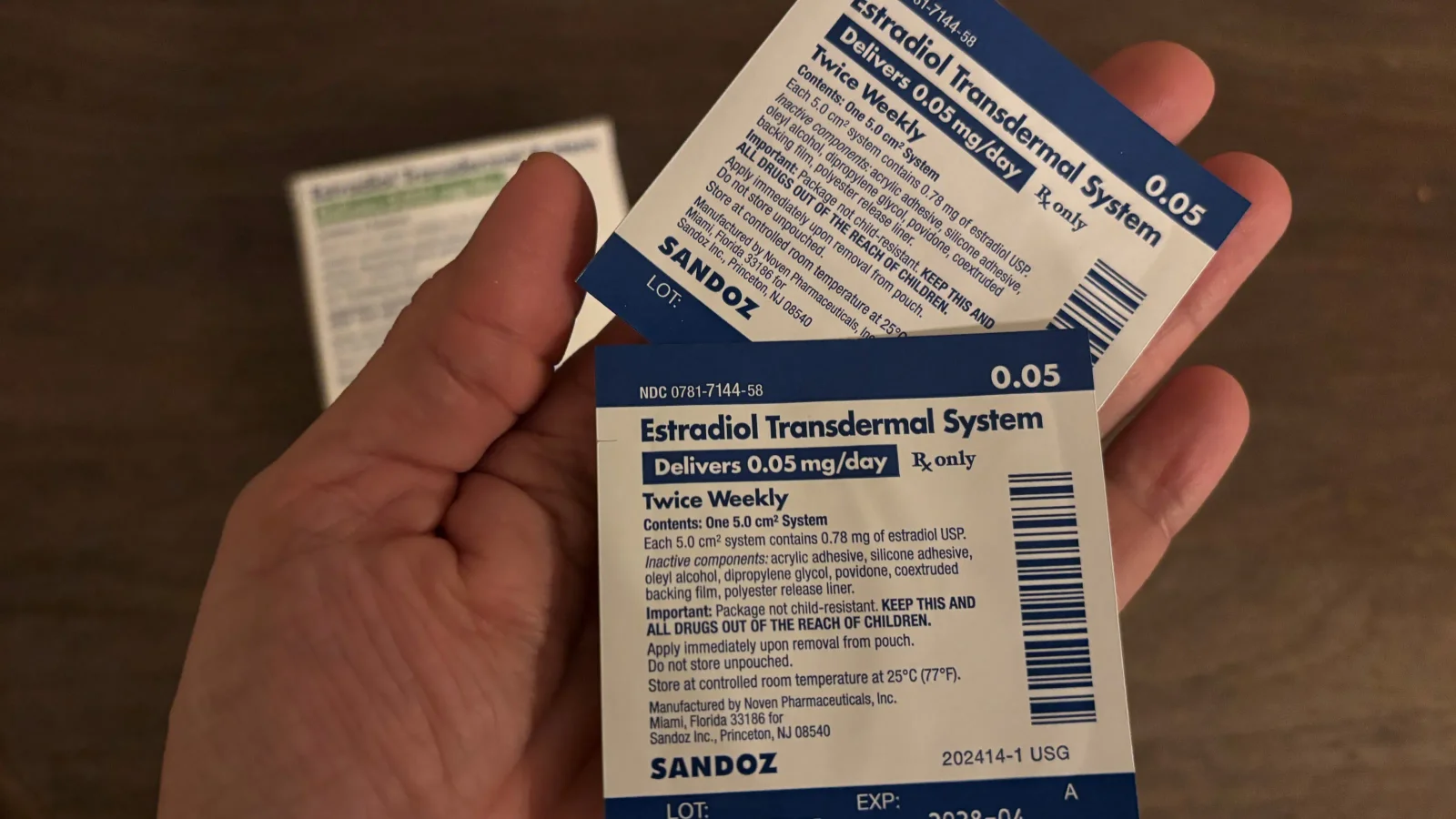
Although the FDA says there’s no official shortage of estrogen patches, demand for transdermal estrogen has surged after last year’s removal of the black-box warning, leaving some pharmacies with limited doses and reports of shortages for certain brands in parts of the U.S. While manufacturers are ramping up production and some providers see no impact, others report ongoing access issues. Alternatives such as oral estrogen, vaginal rings, or gels can help patients stay on therapy, and patches remain popular due to cost and insurance coverage. Experts expect supply to improve by year-end, though timing remains uncertain.

A New Era in Women’s Health: Menopause Care Shifts Toward Individualized Treatment and Inclusive Research
health3 months ago

A New Era in Women’s Health: Menopause Care Shifts Toward Individualized Treatment and Inclusive Research

As the U.S. nears its 250th anniversary, a WTOP series highlights how menopause care is moving from early 2000s fear of HRT to personalized therapy guided by updated FDA risk–benefit guidance, with increasing emphasis on sex‑specific, inclusive research (NIH policy and a 2024 executive order) and broader attention to how hormonal changes affect both general and oral health.

Doctors Urge Expanded Awareness of Hormone Replacement Therapy for Women
health-and-fitness4 months ago

Doctors Urge Expanded Awareness of Hormone Replacement Therapy for Women

Doctors say estrogen replacement can benefit many women by addressing hormonal fluctuations that affect the menstrual cycle, heart, bones, and brain; despite past fears from the Women’s Health Initiative and FDA warnings, updated research and guidance are expanding who should consider HRT, with estrogen levels that can require multiple tests to monitor; it's never too late to start for postmenopausal or younger patients experiencing imbalance.

Menopause May Trigger Alzheimer’s-Style Brain Changes, Large UK Study Finds
health7 months ago

Menopause May Trigger Alzheimer’s-Style Brain Changes, Large UK Study Finds

A large UK study of about 125,000 women, including 11,000 MRI scans, found menopause is linked to brain changes similar to those seen in Alzheimer’s disease, with loss of grey matter in memory and emotion regions. Hormone replacement therapy did not prevent these changes, which may help explain why women have a higher dementia risk, though causality isn’t proven. The study highlights the need for long-term tracking of brain changes and attention to mental health during menopause, alongside lifestyle factors that may mitigate risk.