
Six Kitchen Swaps to Lower Microplastic Intake
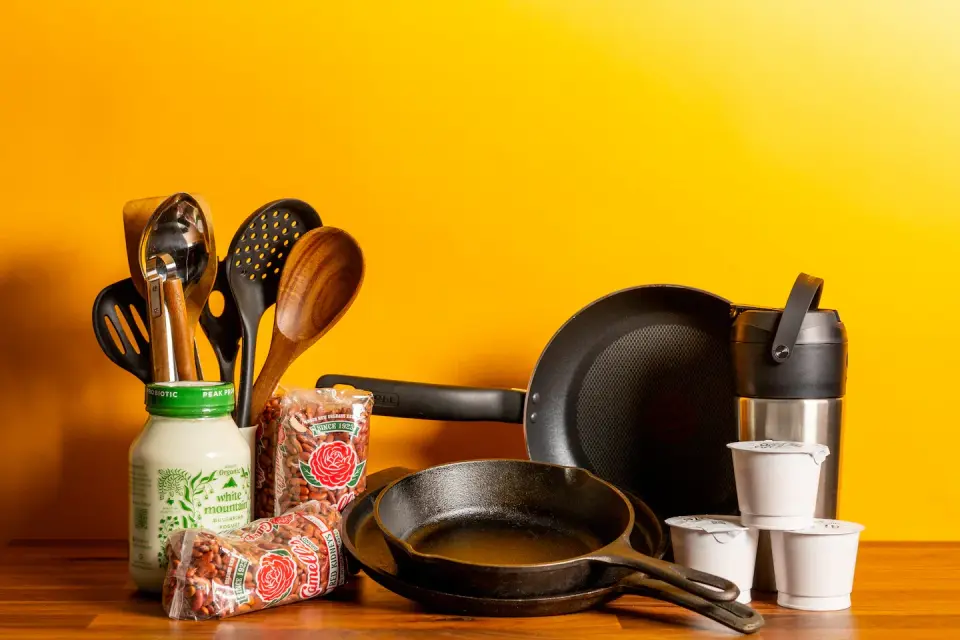
The Washington Post reports that despite healthy eating habits, microplastics and toxic chemicals still infiltrate food supplies. Experts suggest simple swaps, such as replacing plastic cookware and containers with glass or metal alternatives, to reduce exposure. The article notes that while these changes help, they are part of a broader effort to minimize contact with harmful plastics in everyday life.
Key points
- Microplastics and chemicals can contaminate food through plastic packaging and cookware.
- Simple swaps, like using glass or metal containers, can reduce exposure.
- Avoiding plastic food containers and canned foods is recommended by experts.
- These changes complement existing healthy eating habits but do not eliminate all risks.
Background
Recent coverage has highlighted other chemical exposures in food, such as BPA in canned goods and arsenic in rice. While these issues are distinct, they share a common theme: consumers are seeking ways to reduce exposure to harmful substances through dietary and household choices. The current focus on microplastics extends this concern to the broader impact of plastic materials on food safety.
Why it matters
Microplastics are increasingly recognized as a potential health risk, with studies linking them to various adverse effects. By adopting simple changes in food storage and preparation, individuals can take actionable steps to lower their exposure, contributing to better long-term health outcomes.
What to watch
Further research is needed to fully understand the health impacts of microplastics. In the meantime, consumers are encouraged to continue making informed choices about food packaging and preparation methods to minimize exposure to harmful substances.
Want the full story? Read the original reporting
Read on The Washington Post