
Turmeric’s Health Claims: What Science Actually Supports
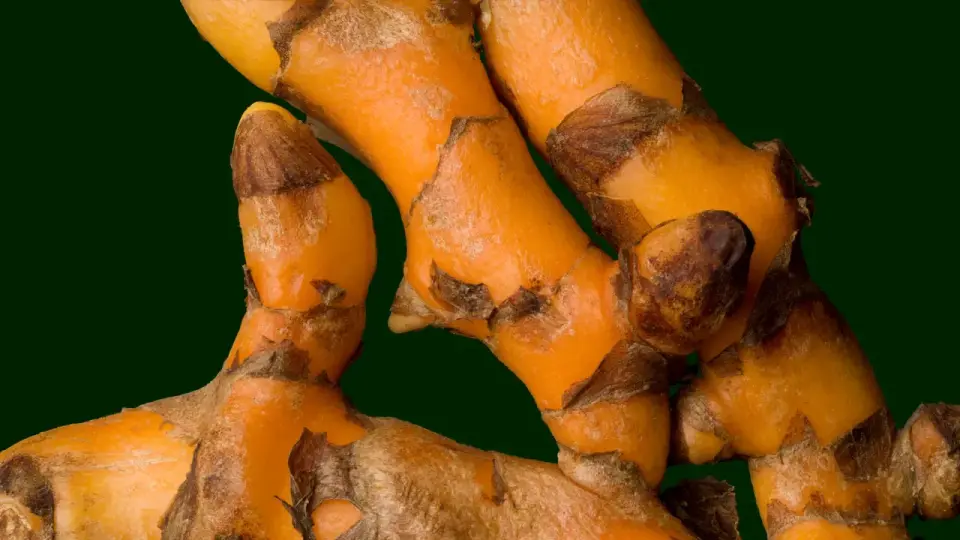
Turmeric, derived from the root of Curcuma longa, is a staple in South Asian cuisine and traditional medicine. Its primary active compound, curcumin, constitutes only 3 to 5 percent of the spice by weight. While culinary use provides a small dose of curcumin along with other plant compounds, supplements offer concentrated extracts. Research strongly supports curcumin’s ability to modulate inflammatory pathways, particularly for joint pain and osteoarthritis. Other potential benefits include support for blood sugar, brain and heart health, and digestion, though these findings often rely on enhanced absorption formulations rather than standard cooking. Experts recommend starting with food sources, such as golden milk or roasted vegetables, before considering supplements. Safety concerns exist for individuals with gallstones, kidney stones, liver disease, or those taking blood thinners or diabetes medications. Side effects like nausea or liver strain may indicate the need to reduce intake.
Key points
- Curcumin is the active polyphenol in turmeric, responsible for its color and anti-inflammatory properties, but makes up only 3 to 5 percent of the spice by weight.
- The strongest scientific evidence supports turmeric’s use in managing inflammation and reducing joint pain associated with osteoarthritis.
- Promising but less definitive research suggests benefits for blood sugar regulation, cardiovascular health, brain function, and digestive comfort.
- Culinary turmeric provides a low dose of curcumin, whereas supplements offer concentrated extracts; experts advise prioritizing food sources first.
- To improve absorption, turmeric should be paired with black pepper or a fat source, as curcumin is fat-soluble and poorly absorbed alone.
- Individuals with gallstones, kidney stones, liver disease, or those on blood thinners or diabetes medication should consult a doctor before using turmeric supplements.
Background
Turmeric has been utilized for centuries in Ayurvedic and Traditional Chinese Medicine, as well as in Indian cultural rituals for diet, health, and beauty. Its integration into global wellness trends has led to increased interest in its pharmacological effects, particularly regarding inflammation and antioxidant properties. Previous discussions in wellness media have often highlighted its use in skincare for brightening, similar to vitamin C, and in various dietary preparations like golden milk and curries.
Why it matters
Understanding the distinction between culinary turmeric and concentrated curcumin supplements is crucial for safe and effective use. While the spice is generally safe in food amounts, high-dose supplements carry risks for specific health conditions and medication interactions. This knowledge empowers consumers to make informed decisions about incorporating turmeric into their diets or supplement regimens, balancing potential benefits against safety concerns.
What to watch
Consumers are advised to consult healthcare providers before starting turmeric supplements, especially if they have underlying health conditions or take medications. Future research may further clarify the efficacy of turmeric for conditions beyond inflammation, such as chronic disease prevention. Additionally, the development of enhanced absorption formulations may make the benefits of turmeric more accessible through dietary means.
Want the full story? Read the original reporting
Read on vogue.com