
Why nearly half of women grow chin hair: Hormones, genetics, and treatments
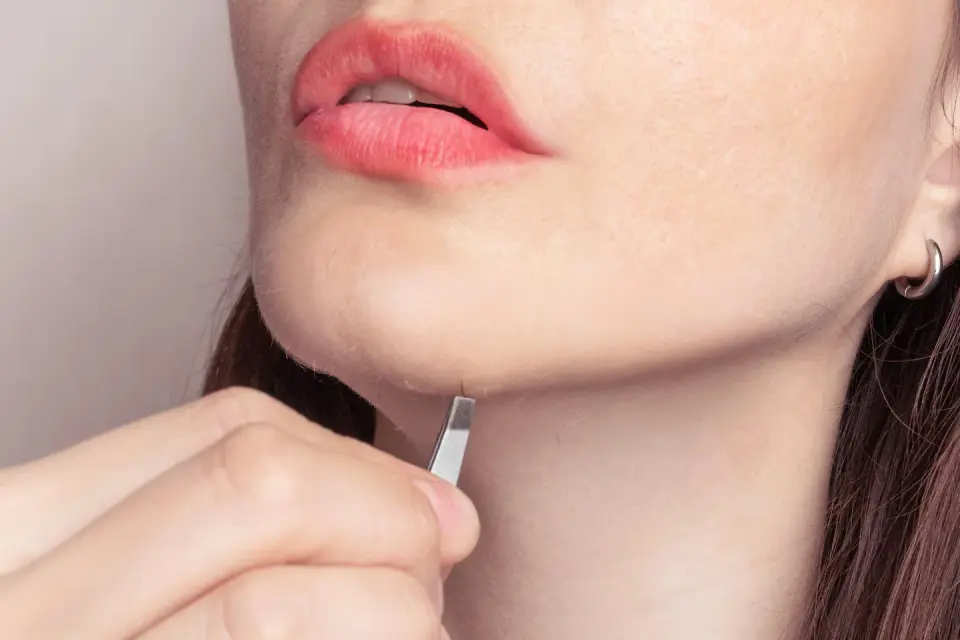
Unwanted chin hair affects nearly half of women and is driven by age, genetics, ethnicity, and hormonal shifts. While common, sudden changes may signal underlying medical conditions. Treatments range from plucking and laser removal to medications, with experts emphasizing that facial hair is a normal biological occurrence.
Key points
- Chin hair growth in women is influenced by age, genetics, ethnicity, and hormonal changes from puberty through menopause.
- A drop in estrogen and a slower decline in testosterone can create a gap that triggers hair growth, according to dermatologist Corinne Erickson.
- Nearly 50% of women experience unwanted chin hair, which is often coarser and darker than other facial hair.
- Sudden or excessive hair growth may indicate rare conditions such as adrenal or ovarian tumors, requiring laboratory tests and imaging.
- Effective management options include plucking, laser hair removal, electrolysis, and specific medications.
Background
This topic falls under women's health and dermatology, intersecting with broader discussions on menopause and reproductive health. Previous coverage in this area has often addressed the psychological impact of visible body hair and the medical causes behind hormonal imbalances.
Why it matters
Understanding the biological basis of facial hair helps normalize the experience for millions of women, reducing stigma. It also highlights the importance of monitoring sudden changes in hair growth as a potential indicator of hormonal imbalances or rare medical conditions, guiding individuals toward appropriate medical consultations and treatments.
What to watch
Individuals experiencing sudden or excessive facial hair should consult healthcare providers for laboratory tests to rule out underlying conditions. Continued research into hormonal therapies and non-invasive hair removal techniques may offer more effective long-term solutions for managing unwanted hair.
Want the full story? Read the original reporting
Read on The Washington Post