Tag

Hormonal Changes

All articles tagged with #hormonal changes

Men's Health Experts Detail 'Irritable Male Syndrome' as Hormonal Decline Drives Mood Shifts
health9 days ago

Men's Health Experts Detail 'Irritable Male Syndrome' as Hormonal Decline Drives Mood Shifts

A cluster of symptoms known as 'irritable male syndrome' (IMS) is linked to age-related testosterone decline, causing mood swings, fatigue, and cognitive issues. While not a formal clinical diagnosis, experts note these changes often overlap with 'andropause' and can be managed through medical evaluation, lifestyle adjustments, and therapy.

Irritable Male Syndrome: Experts Link Aging, Hormonal Decline to Behavioral Shifts
health13 days ago

Irritable Male Syndrome: Experts Link Aging, Hormonal Decline to Behavioral Shifts

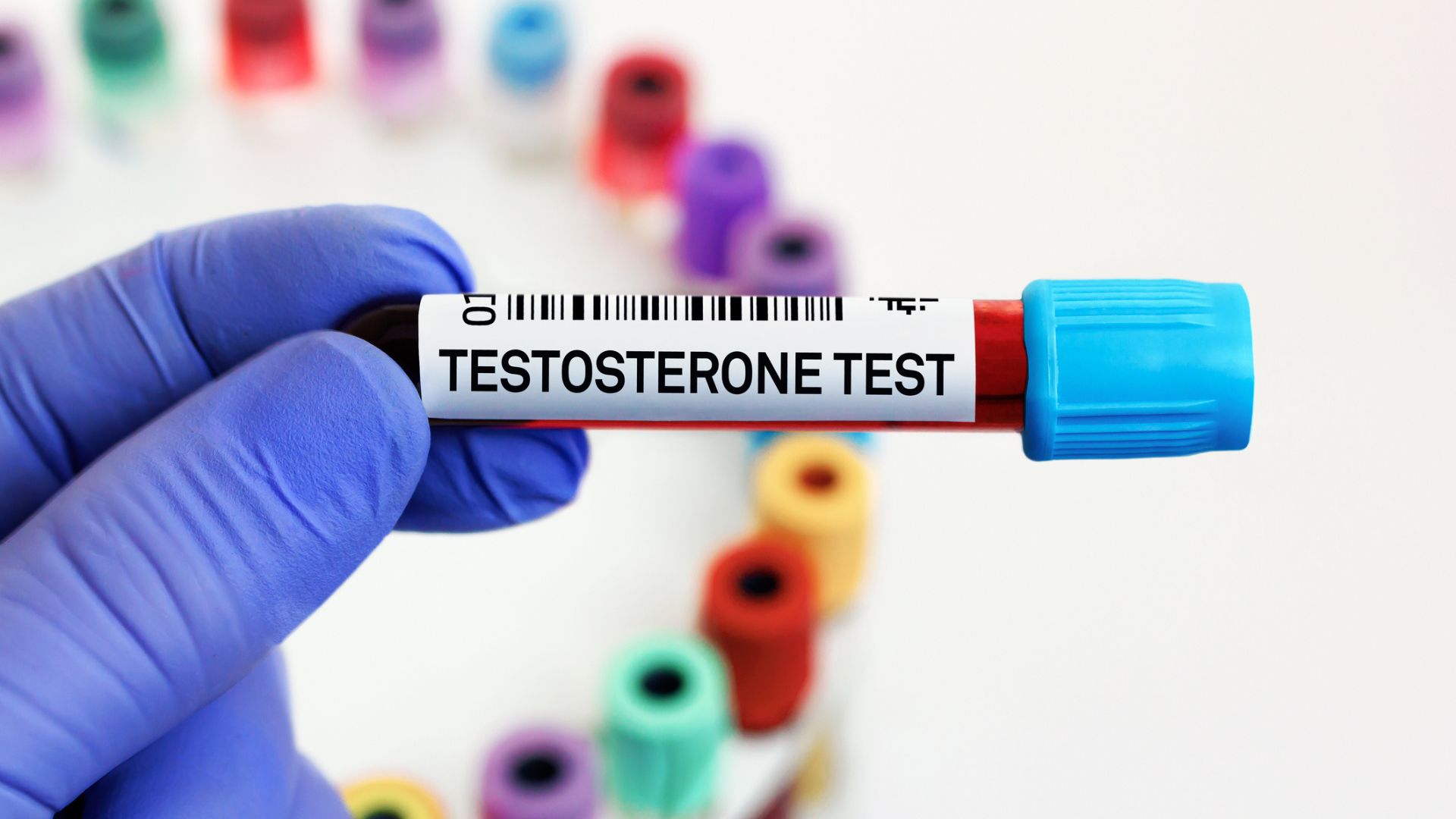
Irritable Male Syndrome (IMS) is a recognized term in medical and psychological circles describing a cluster of symptoms associated with age-related testosterone decline in men. While not a formal clinical diagnosis, experts describe it as a useful shorthand for the physical and emotional changes that occur as testosterone levels drop, typically beginning around age 40. Symptoms include irritability, fatigue, cognitive difficulties, reduced libido, and changes in body composition. The condition was coined in 2001 by Scottish scientist Dr. Gerald Lincoln after observing similar behavioral changes in male animals with declining testosterone. Although often dismissed as mere aging or stress, IMS is linked to biochemical shifts that can significantly impact mental health and relationships. Experts emphasize that early recognition and medical evaluation, including blood tests for testosterone levels, are crucial for managing symptoms through lifestyle adjustments or therapy. The issue is particularly significant given that midlife men represent the highest suicide cohort, with rates nearly five times higher than women of all ages.

Perimenopause Can Begin in Your 30s or 40s, Often Showing Up as Fatigue and Sleep Changes
health-and-wellness7 months ago

Perimenopause Can Begin in Your 30s or 40s, Often Showing Up as Fatigue and Sleep Changes

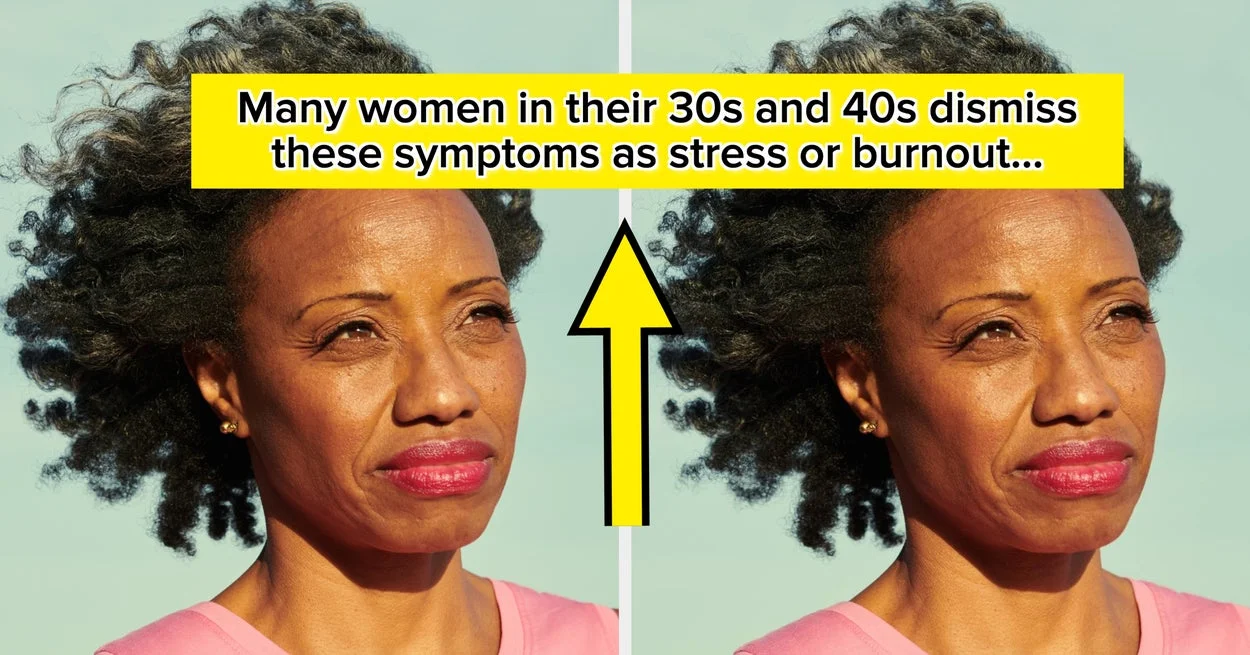
A Flo Health–Mayo Clinic study of 17,000 women across 158 countries finds that many experience fatigue, exhaustion, sleep disturbances, mood changes, and digestive issues during the perimenopause transition—even before classic hot flashes—while some symptoms cluster in the 30s and 40s. The research highlights a widespread knowledge and diagnostic gap, especially in the US, where symptoms are often attributed to stress or burnout and care is fragmented with limited menopause training. Experts urge tracking menstrual changes alongside mood, sleep, temperature regulation, and digestion, and seeking medical advice early to improve quality of life and potentially prevent longer-term risks such as osteoporosis.

health-and-wellness9 months ago

Nutritionist Shares 3 Tips to Combat Brain Fog During Perimenopause for Samantha Ruth Prabhu

Samantha Ruth Prabhu discussed perimenopause and brain fog with nutritionist Rashi Chowdhary, who suggested starting the day with healthy fats, adding lion's mane mushroom, and using smart supplements like creatine and CoQ10 to improve cognitive function. Expert fact-checking by Dr. Ravina Patel highlighted the importance of a balanced diet and clarified that some claims, like the efficacy of lion's mane mushroom, lack sufficient scientific evidence, emphasizing sustainable and affordable health practices.

UK Surgeon Links Morning Sickness to Healthy Pregnancies and Shares Management Tips
health9 months ago

UK Surgeon Links Morning Sickness to Healthy Pregnancies and Shares Management Tips

Studies suggest that morning sickness, often experienced during pregnancy, is linked to healthier pregnancy outcomes and lower risk of pregnancy loss, possibly due to higher levels of pregnancy hormones. Tips for managing nausea include eating bland foods, snacking frequently, and using ginger or supplements like vitamin B6, with professional advice recommended. The article emphasizes that morning sickness can occur at any time of day and is a sign of a developing, healthy pregnancy.

Understanding andropause: The male menopause and its impact on aging
health11 months ago

Understanding andropause: The male menopause and its impact on aging

Andropause, often called male menopause, is a gradual decline in testosterone levels in men starting from their mid-30s, leading to symptoms like fatigue, mood swings, low libido, muscle loss, and sleep issues. It is influenced by aging, lifestyle, and chronic illnesses, and can be managed through lifestyle changes, medical evaluation, and, in some cases, testosterone replacement therapy under medical supervision.

Irritable Male Syndrome: A Recognized Condition Explaining Male Irritability
health1 year ago

Irritable Male Syndrome: A Recognized Condition Explaining Male Irritability

Irritable Male Syndrome (IMS) is a recognized, though not clinical, condition linked to hormonal changes in aging men, characterized by irritability, mood swings, and other symptoms due to declining testosterone levels. Awareness and medical consultation are recommended for men experiencing these symptoms, with lifestyle adjustments and possible hormone therapy as options.

Upcoming Virgo Solar Eclipse: What It Means for Your Body and Zodiac Signs
health-and-astrology1 year ago

Upcoming Virgo Solar Eclipse: What It Means for Your Body and Zodiac Signs

The upcoming partial solar eclipse in Virgo on September 21 can influence physical and emotional health, especially affecting digestion, hormonal rhythms, and the nervous system. It may cause symptoms like stress, detox reactions, and hormonal shifts, with certain signs like Virgo, Pisces, Gemini, Sagittarius, Cancer, and Taurus being more sensitive. Simple rituals such as rest, herbal teas, womb meditations, and affirmations are recommended to help align with the eclipse's energy and facilitate bodily and emotional cleansing.

The Surprising Health Benefits of Creatine for Women and Beyond
health-and-wellness1 year ago

The Surprising Health Benefits of Creatine for Women and Beyond

A recent review highlights five health benefits of creatine for women, including improved sleep, mood, muscle preservation during perimenopause, reduced brain fog, and cellular hydration, emphasizing its potential as a valuable supplement across different life stages. However, more research is needed, and consulting a healthcare professional is advised before use.

Navigating Perimenopause: Tips, Surprises, and Emotional Insights
health1 year ago

Navigating Perimenopause: Tips, Surprises, and Emotional Insights

The article shares personal stories from 11 women experiencing perimenopause, highlighting the often unexpected and challenging symptoms such as hot flashes, insomnia, memory lapses, and emotional changes. These accounts reveal the impact of perimenopause on daily life, relationships, and self-perception, emphasizing the importance of open discussions about this phase of life.

Debunking 'Male Menopause': The Truth About Aging Men's Hormones
health2 years ago

Debunking 'Male Menopause': The Truth About Aging Men's Hormones

Experts clarify that "male menopause" or andropause is not equivalent to female menopause. While men experience a gradual decline in testosterone levels starting around age 30, they can maintain normal levels into their 80s. Unlike the abrupt hormonal changes women face during menopause, men's hormonal shifts are more gradual and less disruptive. Understanding these changes can help both men and women manage their health better as they age.

"Study Finds Women Excel in Cognition During Menstrual Cycle"
health2 years ago

"Study Finds Women Excel in Cognition During Menstrual Cycle"

A study by UCL and ISEH reveals that women perform better on cognitive tasks during menstruation, despite expecting worse performance. The research, published in Neuropsychologia, shows cognitive abilities fluctuate throughout the menstrual cycle, with faster reaction times and fewer errors during menstruation. These findings could have significant implications for injury prevention and women's health strategies, challenging common perceptions about women's abilities during their menstrual cycle.