
Severe COVID Reactivates Dormant Viruses, Linking Anelloviridae to Long COVID
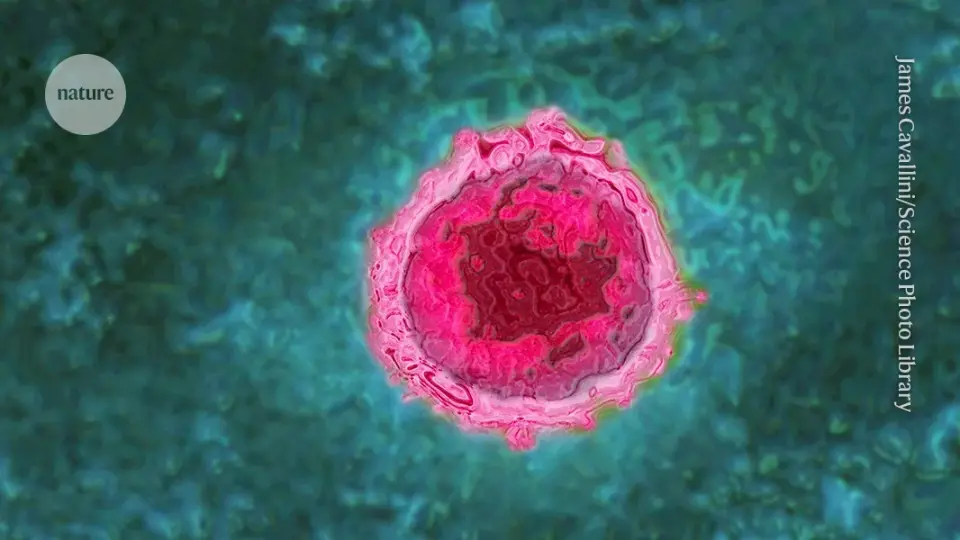
A study of over 1,100 hospitalized patients reveals that severe COVID-19 infections can reactivate dormant viruses like Epstein-Barr and cytomegalovirus. This reactivation, which occurs even in immunocompetent individuals, is linked to disease severity and long-term disability, with Anelloviridae specifically associated with long COVID.
Key points
- Researchers analyzed data from 1,154 unvaccinated patients hospitalized between May 2020 and March 2021, finding that nearly half experienced reactivation of chronic viruses.
- Reactivation patterns vary by virus: Epstein-Barr virus peaks early in infection, while cytomegalovirus and herpes simplex emerge approximately three weeks later, primarily in the respiratory system.
- Anelloviridae reactivation was strongly correlated with long COVID and long-term physical disability, while cytomegalovirus in the nasal cavity was linked to collapsed lungs and other severe complications.
- The study challenges the assumption that viral reactivation only occurs in immunocompromised patients, as reactivation was frequent among those with healthy immune systems.
- Principal investigator Ofer Levy noted that while causation is not established, the findings suggest viral reactivation monitoring could improve prognosis and treatment strategies for acute and long-term COVID cases.
Background
Previous research, including a July 2026 study on the SITH-1 protein, had already suggested links between dormant herpes viruses and long COVID symptoms. This new study expands on that by identifying multiple virus families and specific temporal dynamics, providing a broader framework for understanding how SARS-CoV-2 impacts the body's viral reservoir.
How outlets are covering it
Nature emphasizes the link between Anelloviridae reactivation and long COVID, highlighting that COVID-induced stress amplifies inflammation. CIDRAP provides detailed clinical correlations, noting that cytomegalovirus in the blood was tied to stroke and kidney complications, and that Hispanic ethnicity was associated with higher rates of Epstein-Barr and cytomegalovirus reactivation. STAT focuses on the broader implication that reactivation occurs in immunocompetent individuals, challenging previous medical assumptions. All sources agree that the findings do not prove causation but suggest a significant correlation that could inform future treatments.
Why it matters
Understanding viral reactivation could lead to new therapeutic interventions for long COVID and severe acute cases. With over 10 million U.S. adults suffering from long COVID and 50,000 deaths in the 2025-2026 season, identifying biomarkers for viral reactivation may help clinicians predict outcomes and develop targeted treatments, potentially improving recovery rates for patients with persistent symptoms.
What to watch
Researchers plan to study how the immune system responds to reactivated viruses during COVID-19 infection to identify prevention and treatment strategies. They aim to determine the optimal timing for interventions and explore whether monitoring viral reactivation via polymerase chain reaction can serve as a prognostic tool in hospitalized patients.
- COVID can wake up a slew of dormant viruses inside you Nature
- Severe COVID may awaken dormant viruses, leading to autoimmune disease, long COVID CIDRAP
- Virus reactivation in acute and long COVID-19 Nature
- Severe COVID-19 reactivates dormant viruses, study finds Medical Xpress
- Covid can reactivate dormant viruses, according to study STAT
Want the full story? Read the original reporting
Read on Nature