Tag

Sars Cov 2

All articles tagged with #sars cov 2

Immune-escape SARS-CoV-2 BA.3.2 detected across US and 22 countries
public-health18 days ago

Immune-escape SARS-CoV-2 BA.3.2 detected across US and 22 countries

The CIDRAP digest reports the SARS-CoV-2 BA.3.2 variant—heavily mutated and potentially resistant to vaccines—has been detected in four US travelers, clinical samples from patients, and wastewater across 25 states, with detections in 23 countries and two sublineages (BA.3.2.1 and BA.3.2.2). National surveillance showed about 0.19% of recent sequences in the US (as of Feb 11, 2026), while 30% of sequences in parts of Europe were BA.3.2 in late 2025–early 2026, underscoring the need for ongoing genomic monitoring to assess public health impact. The issue also highlights that vaccination does not increase risk of sudden death in young people (a Canadian study showing 43% lower risk in vaccinated youths), a large pediatric sepsis study finding sepsis in 1.3% of hospitalized children and accounting for 18% of in-hospital pediatric deaths, and that expanded maternal syphilis screening raised case detection in the first quarter but waned within a year without additional measures. Quick takes note meningitis at a UK university, mpox in Missouri, and rising diphtheria risk across Africa."

Zoonotic Jumps Often Happen Without Special Viral Tweaks
science19 days ago

Zoonotic Jumps Often Happen Without Special Viral Tweaks

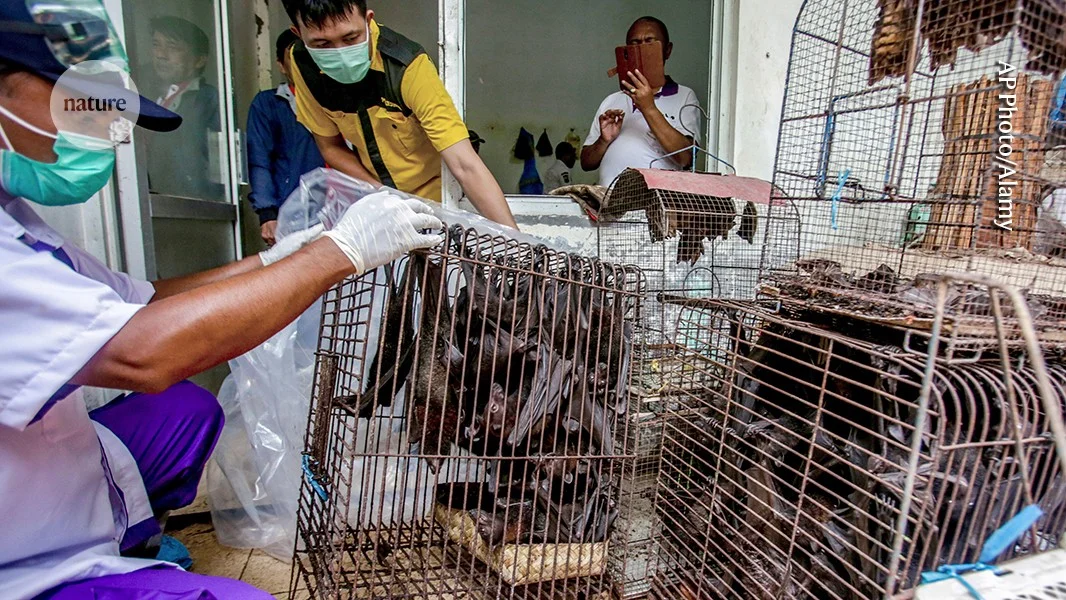
An analysis of outbreaks of influenza A, Ebola, Marburg, mpox, SARS-CoV, and SARS-CoV-2 finds no pre-spillover adaptive mutations; natural selection is normal in animal reservoirs and remains stable before spillover, with most changes occurring after human transmission begins; the study also notes a lab-origin signal for the 1977 H1N1 pandemic, but overall emphasizes reducing exposure and boosting surveillance to prevent future spillovers.

Taste Buds Reveal Why Some Post-COVID Flavors Stay Gone
health1 month ago

Taste Buds Reveal Why Some Post-COVID Flavors Stay Gone

A study in Chemical Senses followed 28 adults with lasting post-COVID taste changes, finding both weakened molecular signaling in taste cells and structural anomalies in taste buds; eight participants had clearly abnormal taste scores, with sweet, bitter, and umami most affected while salty and sour were largely preserved. Biopsies showed disorganized taste buds and atypical taste cells, though no SARS-CoV-2 genetic material was detected in the tissue, suggesting the virus doesn't linger there. The researchers propose that initial infection-triggered inflammation or nerve signaling disruption may underlie persistent taste loss, which can persist even as taste buds regenerate, highlighting cellular targets for future treatments.

Natural Spillovers Over Pre-Adaptation, UCSD Study Finds
science1 month ago

Natural Spillovers Over Pre-Adaptation, UCSD Study Finds

UC San Diego researchers analyzed genomes from influenza A, Ebola, Marburg, mpox, SARS-CoV and SARS-CoV-2 and found that most zoonotic viruses do not show adaptive evolution before jumping to humans; SARS-CoV-2 shows no lab-adaptation signal, consistent with natural spillover, while the 1977 H1N1 pandemic shows lab-adaptation signatures—together providing a framework to distinguish natural outbreaks from laboratory manipulation and guiding future outbreak surveillance.

Pandemic Viruses Usually Adapt After Jumping to Humans, Study Finds
science1 month ago

Pandemic Viruses Usually Adapt After Jumping to Humans, Study Finds

A study of seven recent outbreaks finds that most viruses crossing from animals to humans did not show unusual pre-jump mutations; once they infected humans, they underwent rapid adaptation for human transmission. SARS-CoV-2 followed this pattern, while the 1977 Russian flu appears to be an exception with evidence suggesting a lab-related origin. The findings support animal origins for Covid and highlight ongoing zoonotic risk.

Mild COVID-19 May Leave Lasting Brain Changes, Tulane Study Finds
health1 month ago

Mild COVID-19 May Leave Lasting Brain Changes, Tulane Study Finds

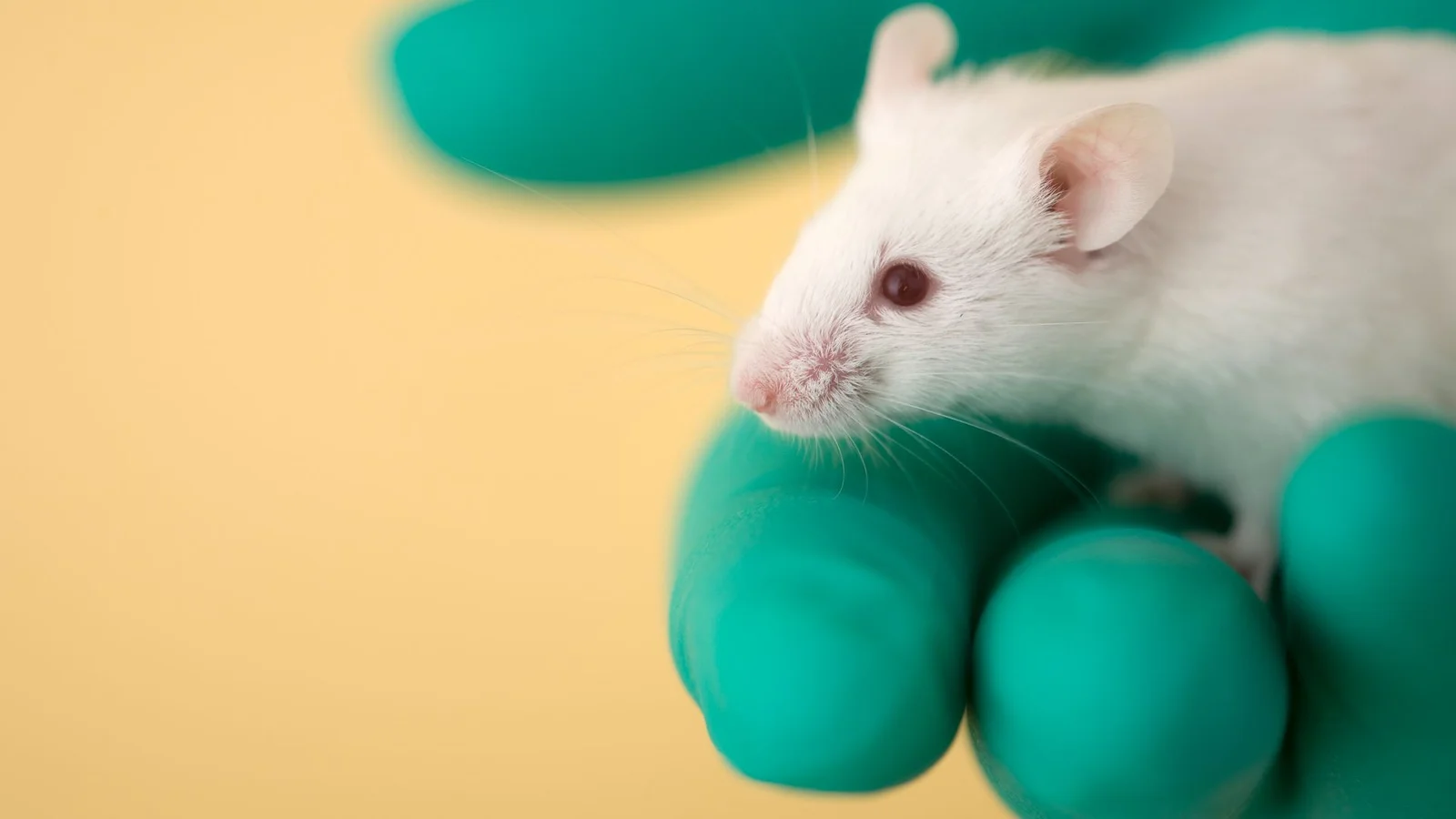
A Tulane study using a mouse model found that while both COVID-19 and influenza can cause lasting lung injury, only SARS-CoV-2 infection led to persistent brain inflammation and microvascular damage after the virus was no longer detectable, helping explain long-COVID brain symptoms and highlighting distinct brain-attack mechanisms from flu; findings could inform post-infection monitoring and treatment.

Nasal universal vaccine shields mice from viruses, bacteria, and allergies
science1 month ago

Nasal universal vaccine shields mice from viruses, bacteria, and allergies

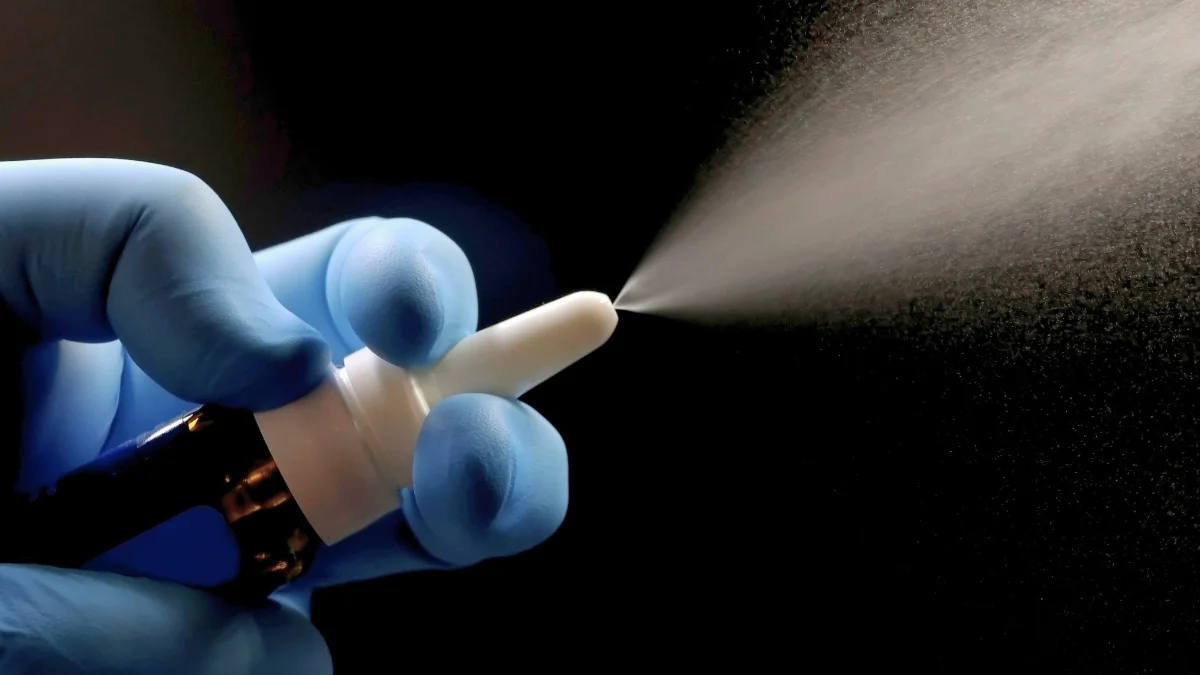
A nasal spray vaccine, GLA-3M-052-LS+OVA, protected mice against SARS-CoV-2 and other coronaviruses, guarded against certain bacteria, and reduced allergy-related lung symptoms, by engaging both innate and adaptive immunity; with three doses, it lowered lung viral loads and sped up immune responses, and human trials could begin with a target availability in 5–7 years if results translate to people.

Animal origin most likely for COVID-19, new review finds
science1 month ago

Animal origin most likely for COVID-19, new review finds

Nature reports that, after years of work, SAGO’s independent assessment finds most peer‑reviewed evidence supports a zoonotic origin for SARS‑CoV‑2, with early transmission linked to the Huanan market, while there is no conclusive evidence for a lab‑leak. Four hypotheses were evaluated (animal spillover, import via goods, accidental lab-related event, deliberate manipulation); the lab‑leak option remains unsupported by decisive data, but substantial information is still needed. The report calls for enhanced data sharing, ongoing global surveillance, and rigorous science to resolve the virus’s origins beyond speculation.

Nasal spray vaccine in mice shows potential for broad protection against viruses, bacteria, and allergens
health1 month ago

Nasal spray vaccine in mice shows potential for broad protection against viruses, bacteria, and allergens

In a mouse study, researchers report a nasal‑spray vaccine that activates both innate and adaptive immunity, protecting against SARS‑CoV‑2 and other coronaviruses, two bacteria (Staphylococcus aureus and Acinetobacter baumannii), and a house‑dust‑mite allergen for at least three months, suggesting a possible universal vaccine pending human trials.

Nasal universal vaccine boosts innate immunity to shield mice from multiple respiratory pathogens
science1 month ago

Nasal universal vaccine boosts innate immunity to shield mice from multiple respiratory pathogens

A Stanford-led study describes an intranasal “universal vaccine” that activates the innate immune system to provide at least three months of protection in mice against SARS-CoV-2, other coronaviruses, and bacteria causing respiratory infections, while also dampening allergic responses. If safe and effective in humans, it could become a winter-wide first line of defense against diverse respiratory diseases.

Ventilation not enough: SARS-CoV-2 RNA detected in hospital air during outbreaks
health1 month ago

Ventilation not enough: SARS-CoV-2 RNA detected in hospital air during outbreaks

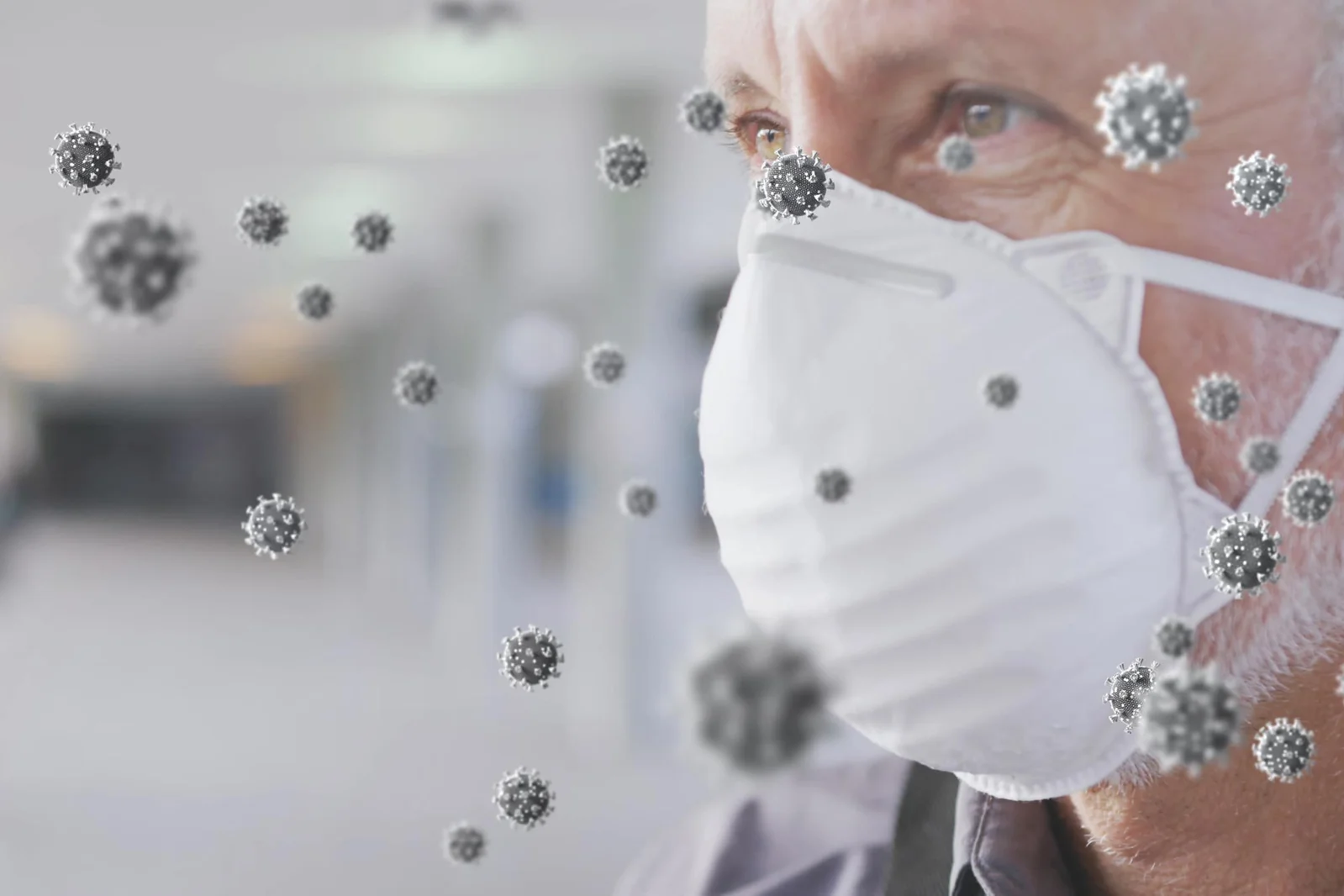
A Sydney hospital study found SARS-CoV-2 RNA in 39% of aerosol air samples during two COVID-19 waves, with higher positivity in the emergency department than the ICU. Positive samples appeared in hotspots such as the ED waiting room and acute-care area, and four positives were detected before the hospital officially declared an outbreak, suggesting aerosol sampling could help with early outbreak detection. Surface contamination was low. The findings indicate that good ventilation alone may not fully prevent airborne transmission during high community activity, underscoring the value of HEPA filtration, respirators, portable purifiers, and enhanced ventilation in high-traffic areas like EDs.