
BYU's MOTO-CAR Immunotherapy Shows Promise in Preclinical Cancer Trials
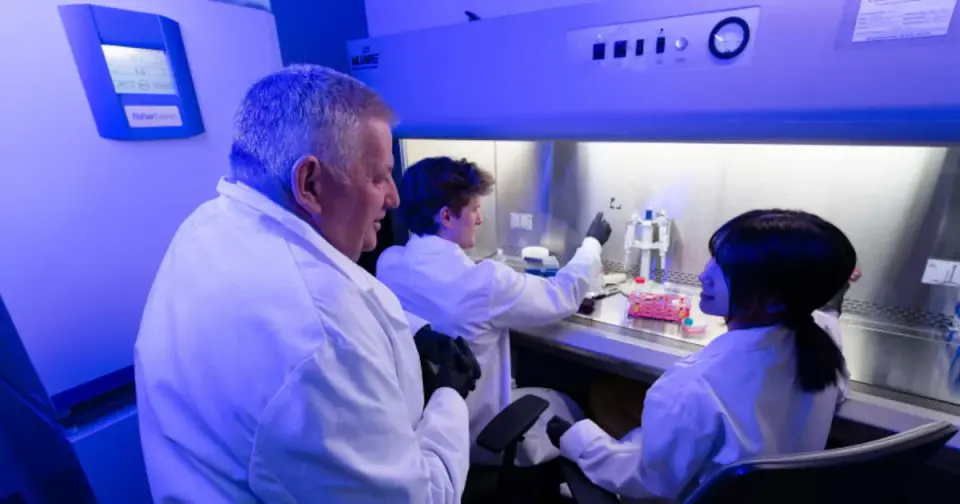
Researchers at Brigham Young University have developed MOTO-CAR, a new immunotherapy that genetically engineers macrophages to target solid tumors. Preclinical tests showed a 90% reduction in lung cancer cells within 24 hours and up to 46% tumor size reduction in mice. Lead researcher Kim O'Neill estimates the treatment could reach the market within five years, potentially offering a cost-effective option for difficult-to-cure cancers like glioblastoma and pancreatic cancer.
Key points
- MOTO-CAR technology modifies macrophages to recognize cancer markers, attack tumor cells, and activate other immune responses.
- In vitro studies demonstrated a 90% reduction in aggressive lung cancer cells within 24 hours.
- Mouse trials showed tumor sizes decreased by up to 46% after a single treatment regimen.
- The treatment targets hard-to-cure cancers including glioblastoma, triple-negative breast cancer, and pancreatic cancer.
- O'Neill anticipates FDA approval and market availability within five years, pending further funding and human trials.
- The technology is designed to be more cost-effective than current immunotherapies.
Background
This development follows earlier reports from November 2026 regarding BYU's MOTO-CAR technology and its potential for low-cost cancer treatment. It aligns with broader trends in cancer research, such as the identification of the DHRS7 gene by Memorial Sloan Kettering Cancer Center, which revealed new insights into immune responses and inflammation. Additionally, other institutions are exploring alternative immunotherapy approaches, including Ohio's trial testing direct injection of flu vaccines into tumors to trigger immune responses.
Why it matters
MOTO-CAR represents a potential shift toward more affordable and accessible cancer treatments, particularly for aggressive and hard-to-cure types. If successful, it could reduce the financial burden on patients and healthcare systems while expanding treatment options for those with limited current therapies. The personal motivation of lead researcher Kim O'Neill, whose parents died of cancer, underscores the human impact of this scientific progress.
What to watch
Further funding and research are required before human clinical trials can begin. The results have not been formally published to protect the patent process. If FDA approval is granted, MOTO-CAR therapy could become available as a cancer treatment option within five years.
Want the full story? Read the original reporting
Read on The Salt Lake Tribune