Tag

Macrophages

All articles tagged with #macrophages

Inflammation: the immune system's life-sustaining spark that can drive disease
health26 days ago

Inflammation: the immune system's life-sustaining spark that can drive disease

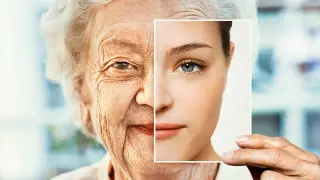
A New York Times Magazine piece explains that chronic low-grade inflammation is a key driver of aging-related illnesses (cancer, diabetes, Alzheimer’s) and is not a single disease but a complex web of immune activity centered on macrophages. The concept of inflammaging describes how aging immune cells become less efficient, potentially paving the way for disease; anti-inflammatory therapies show promise but carry risks (e.g., infection). GLP-1 drugs used for diabetes and weight loss appear to reduce systemic inflammation and improve various conditions, while new real‑time inflammation monitors could let people track and manage inflammatory risk. The takeaway is that prevention (diet, exercise, sleep) remains vital, and scientists aim to integrate multi-system data to better understand and treat chronic inflammation without compromising immunity.

Tattoo Pigment Travels to Lymph Nodes, Prolonging Inflammation in Mice
science1 month ago

Tattoo Pigment Travels to Lymph Nodes, Prolonging Inflammation in Mice

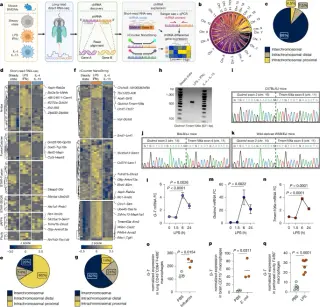
A mouse study published in PNAS shows tattoo pigment quickly reaches draining lymph nodes within hours, is taken up by macrophages but not cleared, and sustains inflammatory signals for at least two months. When vaccines were administered into tattooed tissue, the mice exhibited a weaker antibody response, a pattern echoed in cultured human cells, though this is not a conclusion about humans and requires validation through trials.

Engineered immune progenitors offer endless supply of cancer-fighting cells
health-and-medicine1 month ago

Engineered immune progenitors offer endless supply of cancer-fighting cells

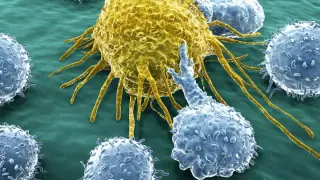
USC researchers developed a stem-cell–inspired method to expand granulocyte-monocyte progenitors (GMPs), enabling long-term self-renewal and genetic engineering to produce macrophages that can target cancer. Engineered GMPs carrying a CAR and an additional immune-activating signal demonstrated tumor-fighting activity and sustained production of immune cells in mice, suggesting a scalable, off-the-shelf cellular immunotherapy with potential applications beyond cancer.

Low-Intensity Ultrasound Reprograms Immune Cells to Halt Joint Inflammation
science1 month ago

Low-Intensity Ultrasound Reprograms Immune Cells to Halt Joint Inflammation

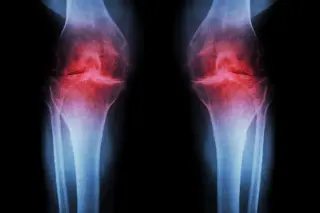
Researchers at the University of Alabama in Huntsville report that continuous low‑intensity ultrasound can shift macrophages from a pro‑inflammatory M1 state to a reparative M2‑like state, lowering inflammation and promoting tissue repair after joint injury. This non‑invasive approach could help prevent post‑traumatic osteoarthritis, with findings based on a fibronectin fragment injury model and transcriptomic analysis; however, the work is laboratory‑stage and requires animal validation before clinical use.

Single-cell atlas maps Crohn’s disease drivers in ileal tissue
science2 months ago

Single-cell atlas maps Crohn’s disease drivers in ileal tissue

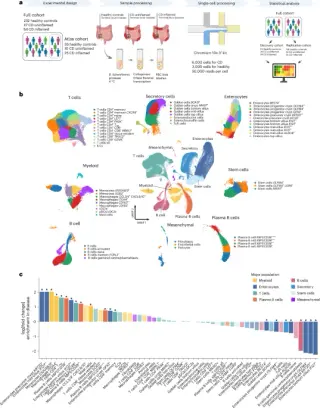
Researchers generated IBDverse, a 1.1‑million‑cell scRNA‑seq atlas of terminal ileal biopsies from 111 Crohn’s disease patients and 232 controls, using discovery and replication cohorts to identify robust cell-type signatures. They map 57 cell clusters across epithelial, immune and mesenchymal compartments, find IFN‑driven MHC‑I upregulation in epithelial cells (persisting in progenitors after inflammation resolves), and identify ITGA4+ macrophages as key inflammatory drivers with enriched JAK–STAT signaling and IL‑6/IL‑12/IL‑23 production. Heritability analyses link inflammatory monocytes and macrophages to CD risk, outlining a cellular–molecular framework with therapeutic implications; data and code are publicly available.

Titanium Particles Trigger Immune Chaos in Dental Implant Infections
science2 months ago

Titanium Particles Trigger Immune Chaos in Dental Implant Infections

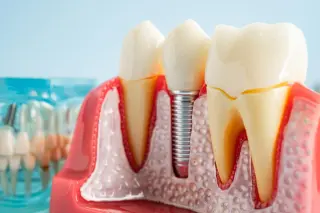
Rutgers researchers reveal that corrosion of titanium dental implants releases nano-particles that attract a bacterial toxin and are engulfed by macrophages, locking them in a hyperinflammatory state that impairs bacterial clearance and drives bone loss; the effect is mediated by the TRPC1 calcium channel, and mice lacking TRPC1 showed reduced disease, pointing to a new drug target for peri-implantitis. The study, published in PNAS Nexus, also emphasizes nonabrasive cleaning methods and regular maintenance to lower risk, and could lead to therapies for up to one in five implant recipients, a multibillion-dollar annual issue.

Liver-Based Quantum Compass May Guide Pigeons Home
science2 months ago

Liver-Based Quantum Compass May Guide Pigeons Home

German researchers provide evidence that iron-rich macrophages in pigeons' livers may possess superparamagnetism and act as a liver-based quantum compass to help navigation, particularly when the Sun is obscured; experiments using clodronate to wipe these immune cells disrupted homing on overcast days, while normal navigation returned under sunny conditions, implying a liver-to-brain signaling pathway.

Ancient Bloodline Traced Back 700 Million Years
biology2 months ago

Ancient Bloodline Traced Back 700 Million Years

A Kyoto University study suggests modern blood and immune cells arose about 700 million years ago alongside the first multicellular animals, showing that macrophage-like cells and key immune pathways trace to unicellular ancestors; the gene FOS and other developmental pathways appear inherited from those ancient microbes, offering a shared biological legacy across vertebrates and potential insights into disease origins.

Blood’s ancient lineage traced to single-celled ancestors
science2 months ago

Blood’s ancient lineage traced to single-celled ancestors

Researchers mapped the evolution of blood cells across animals, revealing a 700‑million‑year link between modern blood cells and unicellular ancestors. Macrophages show the strongest similarity to these early cells, and the FOS gene traces back to a unicellular origin, suggesting first blood cells arose as multicellular life emerged. Over time, mast cells, T cells, red blood cells, and B cells branched from these roots. The new method reconstructs a 700‑million‑year blood‑cell family tree and could help study disease origins, including cancer.

Edge-Guard Macrophages Attack Live Melanoma Cells, Poised to Boost Immunotherapy
science3 months ago

Edge-Guard Macrophages Attack Live Melanoma Cells, Poised to Boost Immunotherapy

Researchers using real-time imaging show CD169-positive macrophages at the edges of melanoma tumors actively engulf live cancer cells and help signal the immune system, constraining tumor growth even without T cells or B cells. Similar macrophages are found in human samples, suggesting these cells could be mobilized to convert cold tumors to hot and broaden the reach of immunotherapies like checkpoint inhibitors.

Blood’s Ancestral Blueprint: A 700-Million-Year Link to Single-Celled Ancestors
science3 months ago

Blood’s Ancestral Blueprint: A 700-Million-Year Link to Single-Celled Ancestors

An international team led by Kyoto University traced the evolution of blood cells back about 700 million years, showing blood likely formed from ancient unicellular gene programs rather than arising anew with multicellular life. By comparing transcriptomes across species, they found macrophage-like ancestors and shared regulatory genes (notably Fos) that link early single-celled organisms to later mast cells, T cells, red blood cells, and platelets, revealing a deep evolutionary history with implications for understanding diseases such as cancer.

science3 months ago

Real-time imaging reveals macrophages devouring live melanoma cells

Using intravital two-photon microscopy, researchers watched CD169-expressing macrophages in the skin’s hypodermis engulf live melanoma cells without T or B cells, a finding that depletion of these macrophages worsened tumor growth and that similar macrophage populations were found at human melanoma margins—suggesting a way to turn ‘cold’ tumors ‘hot’ and possibly enhance responses to immune checkpoint inhibitors.

Everyday spices team up to dramatically boost anti-inflammatory power in cells
health-and-medicine4 months ago

Everyday spices team up to dramatically boost anti-inflammatory power in cells

Tokyo University of Science researchers found that combining common plant compounds (menthol, 1,8-cineole, capsaicin, and others) dramatically enhances anti-inflammatory effects in immune cells, amplifying activity hundreds of times by engaging multiple signaling pathways. This suggests everyday foods and potential functional products could better modulate chronic inflammation, though human studies are still needed.