
USC Study Links Liver Cell Rejuvenation to Halved Alzheimer’s Markers in Rats
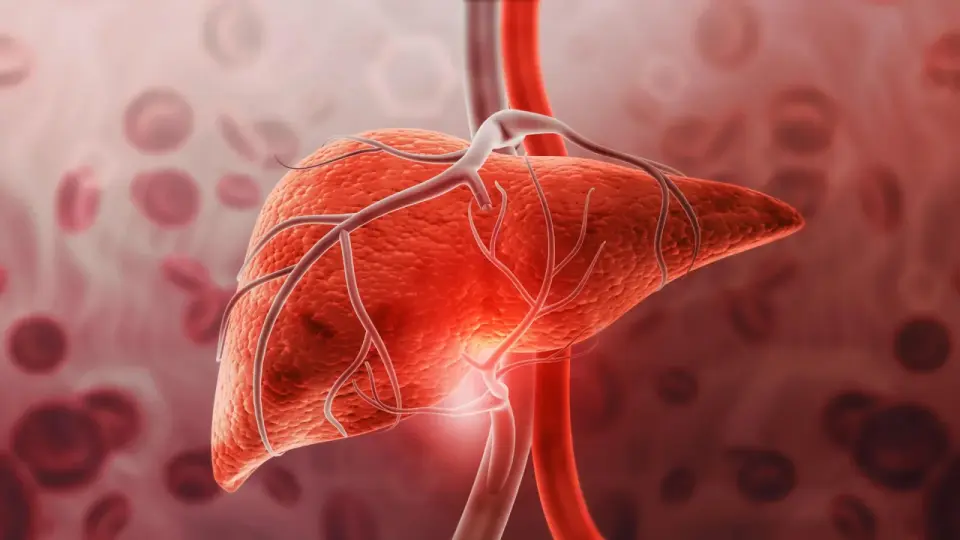
Researchers at the University of Southern California (USC) found that the drug cinaciguat reverses aging in liver cells, cutting blood levels of amyloid beta by 50% and lowering LDL cholesterol in older rats. The study, published in the Journal of Biological Chemistry, suggests that restoring liver function could offer a new route to treat Alzheimer’s and heart disease, bypassing the difficult blood-brain barrier. While results are promising, they are currently limited to animal models.
Key points
- Cinaciguat treatment restored the structure and function of liver sinusoidal endothelial cells (LSECs) in aged rats within two weeks.
- Amyloid beta levels dropped by approximately 50%, matching those of younger rats, while LDL cholesterol also returned to youthful levels.
- The drug activates soluble guanylate cyclase in LSECs, triggering the release of HB-EGF, which signals hepatocytes to better clear harmful substances from the blood.
- This is the first study to show a drug can fully restore aging LSEC function and reduce age-related elevations in both amyloid beta and LDL.
- The findings suggest liver-targeted therapies may be easier to deliver than brain-targeted treatments, which face a 98% failure rate in clinical trials due to the blood-brain barrier.
Background
This research aligns with recent efforts to combat aging-related diseases through cellular rejuvenation. In October 2026, German scientists reprogrammed human blood cells to reverse molecular aging by over 60 years, while other studies identified proteins like MTCH2 that regulate fat metabolism. Additionally, research on senescent 'zombie' cells has shown that clearing these cells can reduce inflammation and potentially reverse liver disease in humans, though those trials remain in early phases. The USC study adds a new dimension by focusing on the liver's role in filtering blood-borne proteins linked to neurodegeneration.
How outlets are covering it
The primary source, ScienceDaily, emphasizes the potential of cinaciguat to bypass the blood-brain barrier by targeting the liver, highlighting a new communication pathway between liver cells. In contrast, the secondary source, BoxLife Magazine, focuses on senolytics—drugs that clear senescent cells—and reports on a Phase 2 human trial where pulsed dosing reversed liver disease progression in over half of participants. While both sources discuss liver health and aging, the USC study focuses on restoring cellular function via cinaciguat in rats, whereas BoxLife highlights the removal of senescent cells in humans. The USC team notes that lowering blood amyloid beta does not guarantee reduced brain plaques, a caution not explicitly detailed in the secondary source's focus on liver disease resolution.
Why it matters
If these findings translate to humans, liver-targeted therapies could offer a safer and more effective approach to preventing Alzheimer’s and cardiovascular diseases. By restoring the liver's natural filtering capabilities, such treatments might reduce the accumulation of harmful proteins in the blood, potentially lowering the risk of neurodegeneration and atherosclerosis without the challenges of delivering drugs directly to the brain.
What to watch
Researchers plan to continue studying cinaciguat in rats to determine if reduced blood amyloid beta translates into measurable protection against Alzheimer’s disease. They also hope to encourage other fields, such as atherosclerosis research, to investigate how restoring liver function might influence disease development. Larger human trials will be necessary to confirm whether these benefits occur in people and to establish safe dosing protocols.
Want the full story? Read the original reporting
Read on Science Daily