
Stanford AI Generates Functional Bacteriophages, Highlighting Biosafety Risks
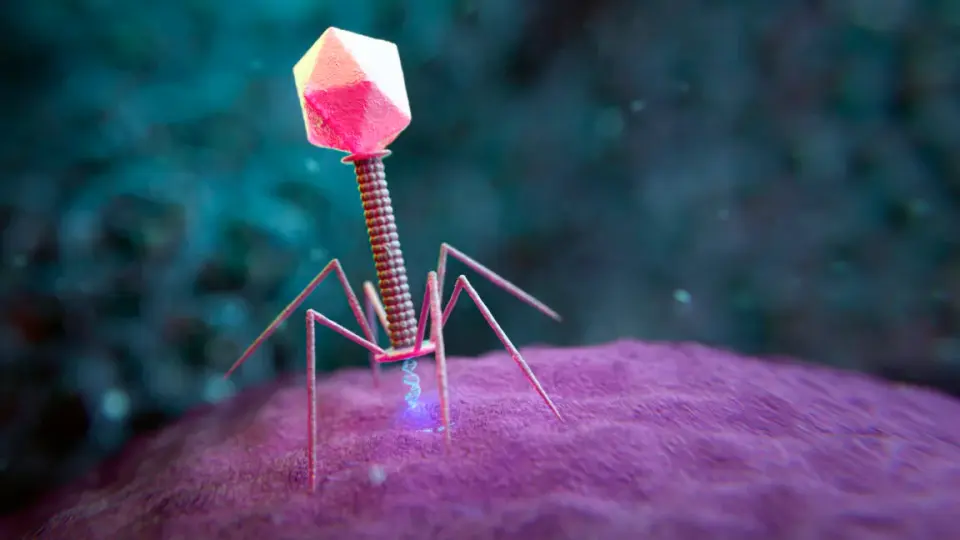
Stanford researchers used large genome models to design 16 functional bacteriophages that infect E. coli. These AI-generated viruses showed distinct genetic features and outperformed natural phages in overcoming bacterial resistance, raising concerns about potential misuse for designing viruses that target humans.
Key points
- Researchers at Stanford University utilized large genome models, specifically Evo 1 and Evo 2, to generate DNA sequences for viruses that infect bacteria.
- The AI was prompted with partial sequences of the bacteriophage ΦX174, which infects E. coli, to produce new viral genomes.
- Out of 285 synthesized sequences tested, 16 successfully inhibited the growth of E. coli, demonstrating functional viral activity.
- The AI-designed viruses exhibited genetic changes that would be unlikely to occur through random mutation, such as adding new genes or swapping genes from distantly related viruses.
- In tests against resistant bacteria, a cocktail of AI-generated phages successfully evolved to infect hosts where natural phages failed.
- The researchers excluded viruses that infect vertebrates from the training data to mitigate risks, but warned that similar models could be used to design human-targeting viruses.
Background
This development follows earlier coverage of AI's expanding role in scientific discovery, such as the use of AI to solve the Jacobian conjecture in mathematics. It also aligns with recent efforts to map microbial ecosystems, like the Great Barrier Reef microbiome study, which revealed thousands of new viral genomes. The current story builds on previous reports of AI-designed synthetic viruses, emphasizing the ongoing debate about biosafety and the potential for AI to create novel pathogens.
Why it matters
The ability of AI to design functional viruses, even those targeting bacteria, demonstrates a significant leap in synthetic biology. This capability could lead to new therapies for antibiotic-resistant infections but also poses serious biosafety risks if misused to create pathogens that target humans. The study underscores the urgent need for regulatory frameworks to manage the rapid advancement of AI in biological research.
What to watch
Researchers are calling for improved governance and regulation of AI in biology and the ordering of custom DNA sequences. The field will likely see further developments in AI-driven genome design, with ongoing debates about balancing scientific innovation with biosafety and ethical concerns.
Want the full story? Read the original reporting
Read on Ars Technica