
Radical Numerics Administers First AI-Designed Phage to Human Patient
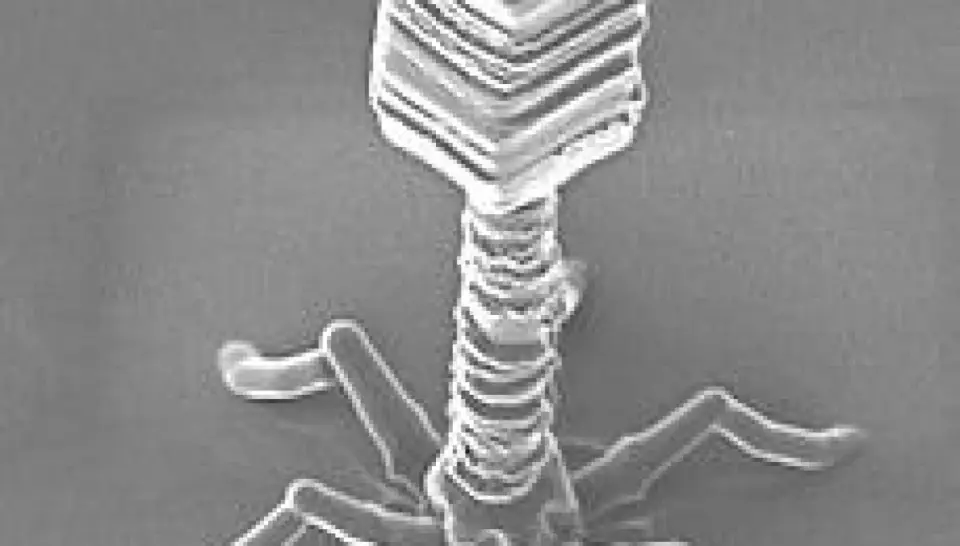
San Francisco-based AI lab Radical Numerics announced the first administration of an AI-designed bacteriophage cocktail to a human patient suffering from an antibiotic-resistant infection. The treatment, approved under a compassionate-use arrangement, utilized the company's new model, Omnii-1, to engineer viruses targeting specific bacterial strains. While laboratory tests confirmed the phages eliminated the patient's bacteria, the company withheld clinical outcome data to protect patient privacy, citing the lack of evidence from a single case.
Key points
- Radical Numerics used its AI model, Omnii-1, to design a cocktail of bacteriophages targeting a patient's antibiotic-resistant bacteria.
- The treatment was administered under a compassionate-use arrangement, marking the first known instance of AI-designed phage therapy in a human.
- Laboratory tests confirmed the AI-designed phages eliminated the patient's bacterial isolate, but clinical results were not disclosed.
- The company emphasized that single-patient data does not establish safety or efficacy, and declined to reveal the specific infection type.
- The initiative aims to accelerate personalized phage therapy, reducing development time from weeks to days for resistant infections.
Background
Phage therapy has been explored for over a century as an alternative to antibiotics, particularly for resistant strains. Previous AI-assisted efforts, such as those by Stanford and the Arc Institute, demonstrated that AI could design phages outperforming natural variants in lab settings. Recent virology advances have also improved the understanding of viral particle assembly, though these studies focused on structural mechanics rather than therapeutic application. Radical Numerics' work builds on these foundations by moving from computational design to clinical administration.
How outlets are covering it
The Register highlights the milestone of moving AI-designed biology from lab to patient but notes the lack of published clinical results and the company's refusal to comment. Chosun Ilbo emphasizes the potential for personalized treatments, detailing how the AI modified the T7 phage's leg structures to target specific bacteria. Both sources agree that while lab tests were successful, the actual clinical outcome remains unverified. The Register stresses the need for caution, as single-patient data is insufficient to prove efficacy, while Chosun Ilbo focuses on the speed and precision AI brings to phage development.
Why it matters
This development represents a critical step in combating antibiotic resistance, a growing global health threat. If successful, AI-designed phages could offer targeted treatments that spare beneficial gut bacteria, unlike broad-spectrum antibiotics. The ability to rapidly design customized phages could address the urgent need for alternatives as drug-resistant infections cause substantial mortality worldwide. However, the lack of transparent clinical data raises questions about the safety and efficacy of this approach.
What to watch
Radical Numerics plans to publish research findings in an academic journal after verifying treatment outcomes. The company aims to develop a process for designing and building phages targeted to individual bacterial infections. Future studies will need to confirm whether the AI-designed phages effectively treat infections in humans, moving beyond laboratory validation to clinical success.
- Human receives AI-designed virus for the first time The Register
- Start-Up Claims to Use A.I.-Created Viruses to Treat a Patient The New York Times
- AI-Designed Phage Therapy: First Patient Treated, With No Clinical Data Published BigGo Finance
- Radical Numerics Uses AI-Designed Bacteriophage Virus in First Patient Treatment Approved by FDA DongA Science
- Radical NewMetrics' AI Virus Targets Antibiotic-Resistant Bacteria 조선일보
Want the full story? Read the original reporting
Read on The Register