
Telehealth firms bypass FDA delays to prescribe GLP-1s for addiction
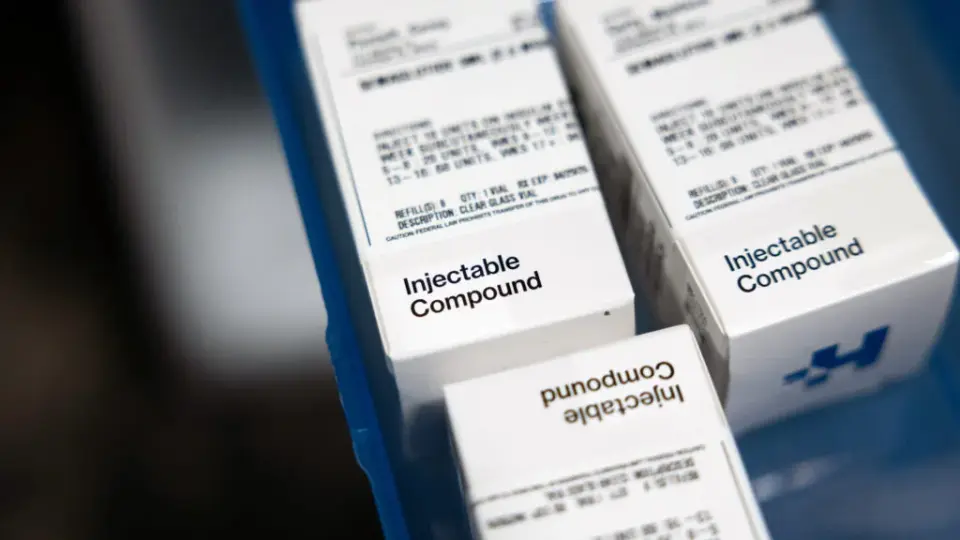
While pharmaceutical companies await FDA approval for GLP-1 drugs to treat substance use disorders, telehealth platforms are already marketing off-label prescriptions for alcohol and drug addiction. This move shifts the burden of vetting unapproved treatments onto patients, even as major clinical trials and government studies aim to validate the drugs' efficacy for addiction.
Key points
- Telehealth companies are marketing off-label GLP-1 prescriptions for alcohol use disorder and other addictions, bypassing the FDA approval process.
- Eli Lilly, Baseline Therapeutics, and Altimmune are currently testing GLP-1 receptor agonists for alcohol, cocaine, and methamphetamine use disorders.
- Allegheny County is launching a $13 million study with 1,200 participants to assess if GLP-1s reduce cravings and improve social outcomes like employment and housing.
- Caron Treatment Centers in Pennsylvania has already prescribed GLP-1s to over 650 patients with substance use disorders.
- Experts warn that off-label use places the risk assessment burden on patients, as the long-term safety and efficacy for addiction remain unproven by regulatory standards.
Background
This development follows a broader trend of off-label GLP-1 use in the US, where prescriptions for non-diabetic, non-obese patients surged 15-fold between 2021 and 2025. While previous coverage focused on weight loss and general off-label expansion, the current focus is specifically on addiction medicine, a field that has lacked new FDA-approved medications for two decades.
How outlets are covering it
STAT highlights the regulatory risk of telehealth platforms shifting the burden of vetting unapproved drugs onto patients. In contrast, 90.5 WESA emphasizes the potential for holistic social benefits, noting that Allegheny County’s study will measure impacts on housing and criminal justice involvement. Stuff provides a patient-centric view, citing anecdotal evidence that semaglutide dampens dopamine spikes and reduces cravings, while acknowledging side effects like nausea and anhedonia. Endpoints News focuses on the broader R&D landscape, noting that large trials are pushing beyond obesity to test these drugs for various addictions.
Why it matters
The gap between FDA approval timelines and telehealth market availability creates a regulatory vacuum where patients may access unproven treatments for addiction. This could accelerate adoption but also expose users to unknown risks, potentially influencing future FDA decisions on whether to approve GLP-1s for substance use disorders.
What to watch
The Allegheny County study will launch next year, providing data on GLP-1 efficacy for addiction and social outcomes. Meanwhile, Eli Lilly, Baseline Therapeutics, and Altimmune will continue their clinical trials, potentially leading to the first FDA-approved GLP-1 for alcohol use disorder in two decades.
- Telehealth leapfrogs FDA approval with off-label GLP-1 prescriptions for addiction STAT
- Big trials push beyond obesity to see if GLP-1s can quell alcohol, drug cravings Endpoints News
- Could Ozempic help treat addiction? An Allegheny County study aims to find out 90.5 WESA
- The weight-loss drug dropping a ‘bomb’ on alcohol addiction Stuff
- How GLP-1 Drugs May Help Treat Addiction: Mechanisms and Clinical Evidence News-Medical
Want the full story? Read the original reporting
Read on STAT