
αKG-driven carnitine synthesis promotes histone acetylation and DNA repair in HR-proficient cancers
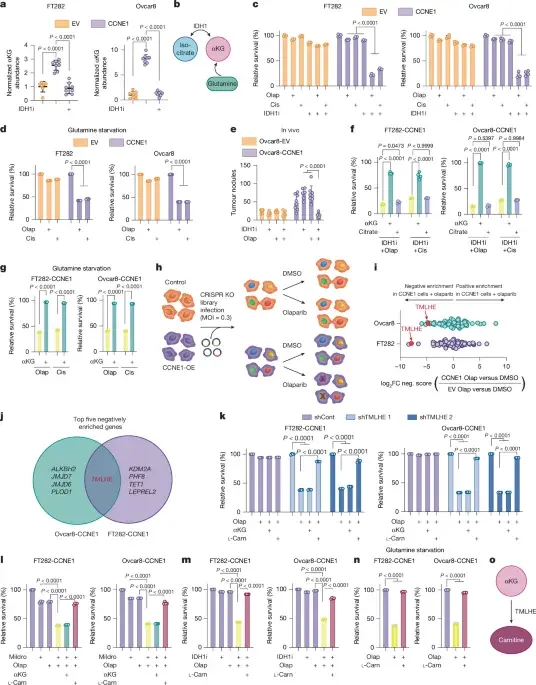
In homologous recombination–proficient cancers, α-ketoglutarate (αKG) fuels de novo carnitine synthesis via the enzyme TMLHE, boosting acetyl-CoA–dependent histone acetylation at site-specific marks (H3K23ac, H4K8ac, H4K12ac) and enabling HR repair; disrupting this αKG–carnitine axis sensitizes cells to DNA-damaging therapies, while providing αKG or acetylcarnitine rescues repair. Clinically, high TMLHE or acetylcarnitine correlates with worse progression-free survival in ovarian cancer patients treated with platinum chemotherapy. Pharmacologically inhibiting carnitine synthesis (mildronate) reduces tumor burden in combination with cisplatin in mice. These findings reveal a nonredundant nuclear acetyl-CoA pool provided by de novo carnitine synthesis that links metabolism to site-specific histone acetylation and HR proficiency, offering potential biomarkers and therapeutic strategies.
- αKG-mediated carnitine synthesis drives DNA repair via histone acetylation Nature
- Temple University researchers uncover metabolic weakness in ovarian cancer Temple Now
- Wistar Institute and Temple Scientists Identify Metabolic Target to Overcome Chemotherapy Resistance in Ovarian Cancer | Newswise Newswise
- αKG Boosts DNA Repair Through Histone Acetylation Bioengineer.org
Want the full story? Read the original reporting
Read on Nature