
Ancient DNA Confirms Malaria, Not Poison, Killed Medici Grand Duke
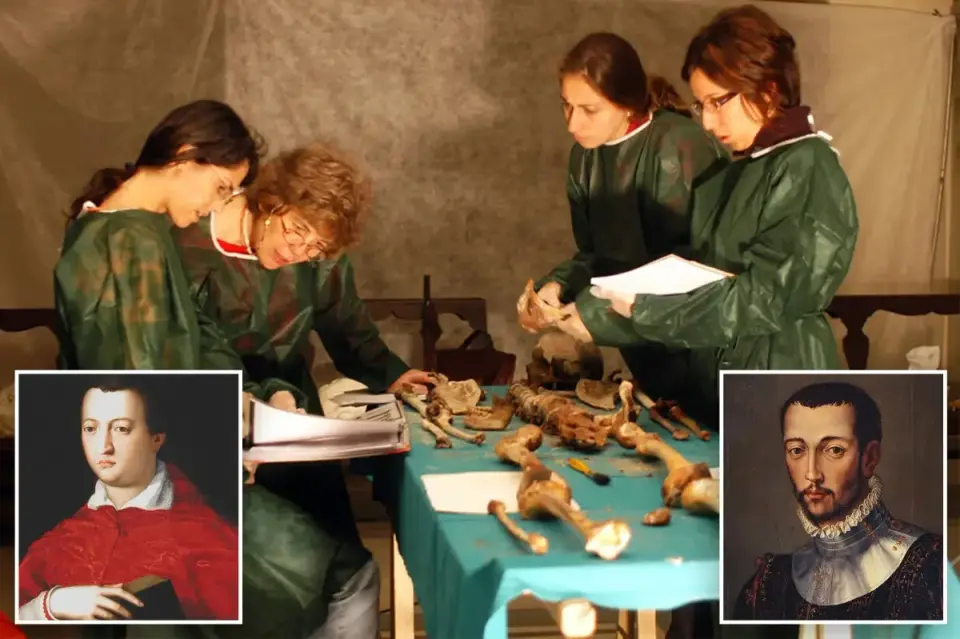
Yale researchers used ancient DNA to confirm that Grand Duke Francesco I de’ Medici died of malaria in 1587, debunking centuries-old poisoning rumors.
Key points
- Yale University researchers published a study in iScience analyzing DNA from the ribs of Francesco I de’ Medici and his brother Giovanni.
- The analysis detected genetic traces of Plasmodium falciparum and P. malariae, confirming the brothers suffered from malaria.
- This finding challenges the long-standing theory that Francesco and his wife Bianca Cappello were poisoned by his brother, Cardinal Ferdinando de Medici.
- The study identified a novel strain of Plasmodium falciparum in Giovanni’s remains, offering insights into the parasite’s evolution.
- Lead researcher Serena Tucci noted that while poisoning cannot be completely ruled out, malaria is the most likely cause of death.
Background
This development follows earlier reports in July 2026 that ancient DNA analysis of Medici remains linked their deaths to malaria, providing the first genetic confirmation of the disease in these historical figures.
Why it matters
The study provides definitive scientific evidence to resolve a historical mystery and offers valuable data on the evolution of malaria parasites, which can improve modern disease control models.
What to watch
Researchers may apply similar genomic approaches to other historical cases, and the identified malaria strain will help scientists understand how the parasite changes over time.
Want the full story? Read the original reporting
Read on New York Post