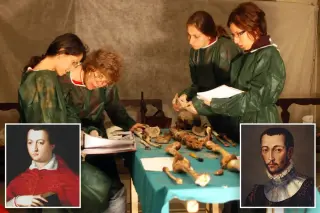
Ancient DNA Confirms Malaria, Not Poison, Killed Medici Grand Duke
Yale researchers used ancient DNA to confirm that Grand Duke Francesco I de’ Medici died of malaria in 1587, debunking centuries-old poisoning rumors.

All articles tagged with #medici
Yale researchers used ancient DNA to confirm that Grand Duke Francesco I de’ Medici died of malaria in 1587, debunking centuries-old poisoning rumors.
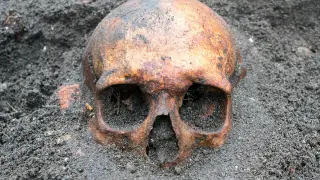
Ancient DNA analysis of Grand Duke Francesco de Medici's remains confirms malaria, not poisoning, as the cause of his 1587 death; the study also finds Plasmodium DNA in his brother Giovanni, identifies two parasite species and a potentially new P. falciparum strain, and uses the findings to map malaria's historical spread and evolution in Renaissance Italy.
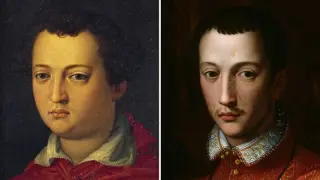
New ancient-DNA analysis of Medici tomb remains finds malaria parasites (Plasmodium falciparum and P. malariae) in Francesco I de’ Medici’s bones and malaria signals in Giovanni, strengthening the case that the 1587 deaths were due to malaria rather than arsenic poisoning, while noting that toxin influence can’t be completely ruled out and that DNA evidence isn’t always definitive.
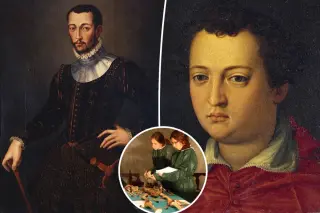
An international team analyzed ancient DNA from the Medici brothers’ remains and detected Plasmodium falciparum infections, confirming malaria as the cause of death for Francesco and Giovanni and ending centuries of poisoning speculation.
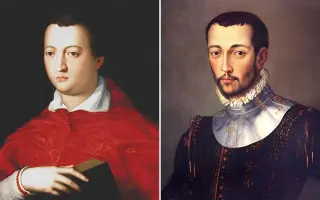
A DNA study of Francesco I and Giovanni de’ Medici’s remains finds Plasmodium falciparum in both brothers and Plasmodium malariae in Francesco, confirming malaria—not poison—as the cause of death in 1587; researchers also identified a novel P. falciparum lineage in Giovanni, suggesting historic parasite movements across Europe during population growth. Published in iScience (2026) by Ochoa et al., the work aligns with Renaissance fever records and highlights how ancient DNA clarifies the history of one of humanity’s oldest diseases.
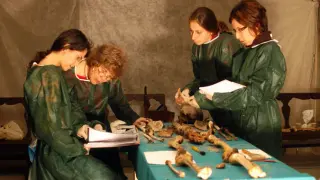
An international team analyzed the 16th‑century remains of Cardinal Giovanni de’ Medici and Grand Duke Francesco I and found DNA evidence of malaria parasites, confirming they died of malaria rather than poisoning; Francesco’s bones show infection with both P. falciparum and P. malariae, while Giovanni carried a novel P. falciparum strain. The work, published in iScience, provides insight into malaria’s evolution in Europe and suggests swampy Tuscany environments facilitated transmission in the Medici era.