
New Atlas Identifies 1,067 Brain Microproteins Linked to Alzheimer’s
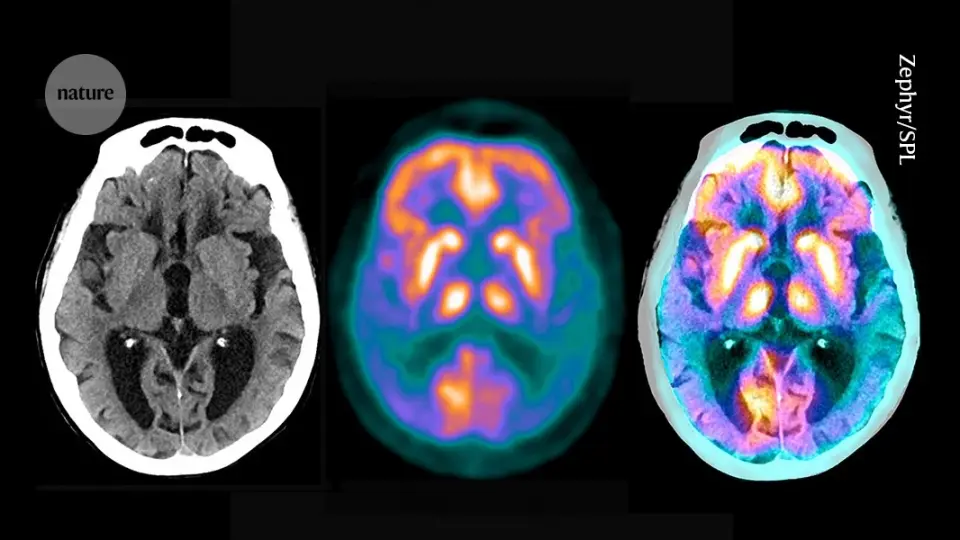
Researchers have created the most comprehensive map of brain microproteins to date, identifying over 1,000 previously overlooked molecules in human brain tissue. This new atlas, derived from post-mortem samples, reveals that dozens of these tiny proteins show altered expression in individuals with Alzheimer’s disease, offering potential new avenues for understanding neurodegeneration and aging.
Key points
- A study published in Nature Aging identified 4,321 microproteins in the dorsolateral prefrontal cortex, with 1,067 confirmed with high confidence.
- Microproteins, defined as proteins with fewer than 150 amino acids, are difficult to detect using standard mass spectrometry and RNA sequencing.
- The research utilized a combination of mass spectrometry, RNA sequencing, and ribosomal profiling to analyze 608 post-mortem brain samples.
- Dozens of the identified microproteins exhibited altered expression levels in samples from people with Alzheimer’s disease.
- The resulting atlas is publicly available, allowing other laboratories to validate sequences and investigate biological functions.
Background
This development builds on recent efforts to expand the understanding of the brain proteome. Previous coverage noted that while microproteins were largely ignored, emerging data suggests they play roles in microglial energy and neurodegeneration. This new atlas provides a foundational resource for those studies, complementing earlier findings on other biomarkers and lifestyle factors that influence brain health.
How outlets are covering it
Nature highlights the significance of this atlas as a potential breakthrough for understanding Alzheimer’s as a proteinopathy, emphasizing the need to map the 'full proteome' including these 'dark matter' molecules. ThePrint coverage, while largely obscured by technical code in the provided text, generally aligns with the view that such comprehensive mapping aids the fight against Alzheimer’s. Both sources agree on the novelty and scale of the discovery, though Nature provides more specific details on the methodology and the number of confirmed proteins.
Why it matters
Understanding microproteins could reveal new mechanisms of aging and neurodegeneration that have been missed by traditional research methods. By identifying proteins that change in Alzheimer’s patients, scientists may uncover new targets for therapeutic intervention or diagnostic tools. The public availability of this data accelerates collaborative research across the field.
What to watch
Researchers will use the public atlas to validate the identified microproteins and determine their biological functions. Future studies may focus on how these proteins interact with known Alzheimer’s pathology, potentially leading to new treatment strategies or biomarkers for early detection.
- Map of brain ‘microproteins’ could offer new clues to Alzheimer’s disease Nature
- A microprotein atlas of the human frontal cortex in Alzheimer’s disease Nature
- Microproteins provide new playbook for Alzheimer's research Medical Xpress
- A microglial cell within which an uncharacterized microprotein accumulates around its nucleus EurekAlert!
- New brain atlas can aid fight against Alzheimer’s disease ThePrint
Want the full story? Read the original reporting
Read on Nature