Tag

Transposons

All articles tagged with #transposons

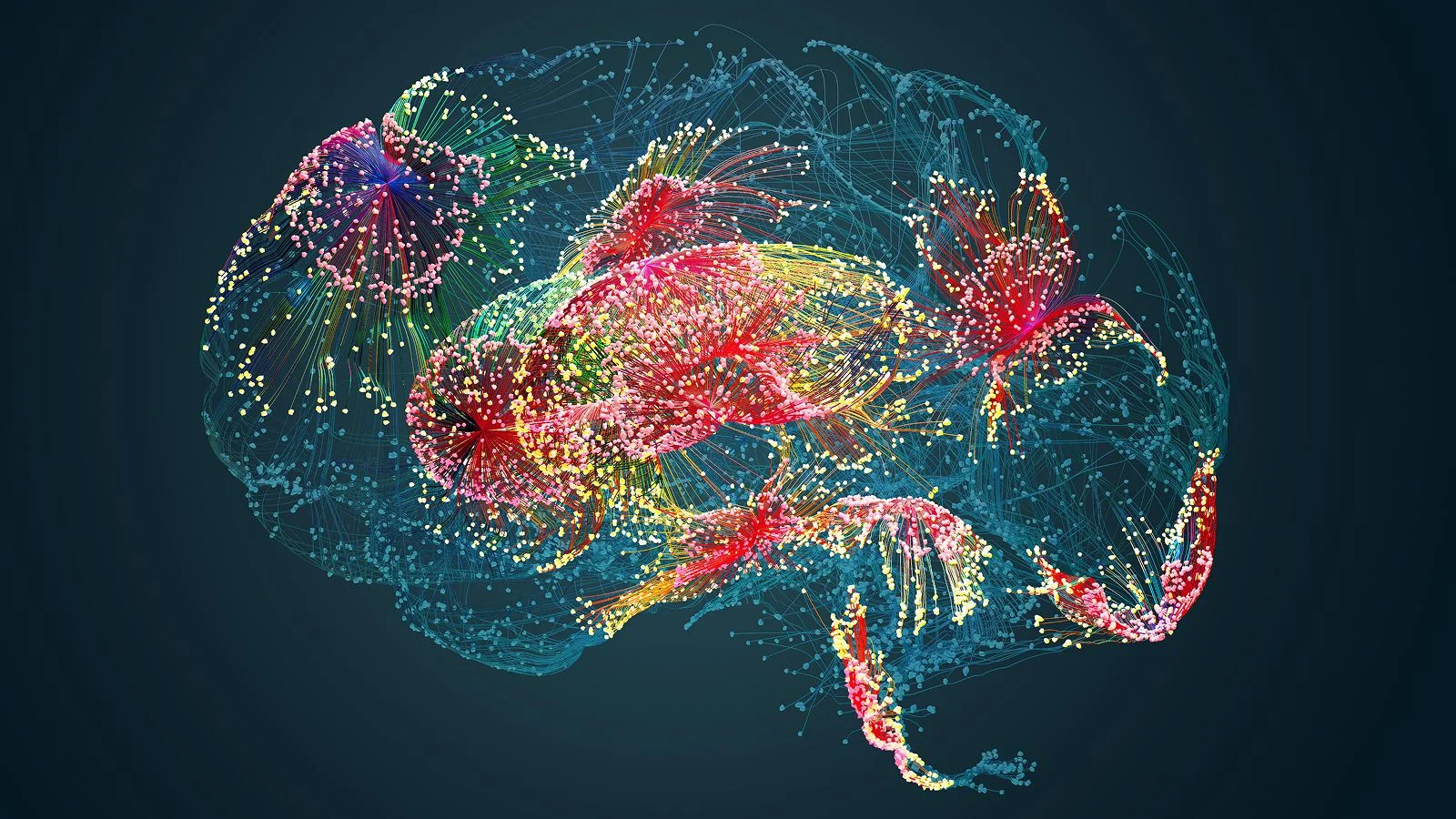
BC200: A Human Brain Gene That Retains Mobility and Infects Viruses
science1 day ago

BC200: A Human Brain Gene That Retains Mobility and Infects Viruses

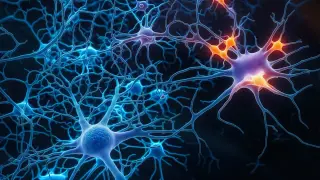
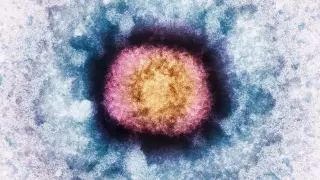
Researchers have identified BC200, a human gene that uniquely combines a stable cellular function in neurons with the ability to move and insert itself into other genomes. Published in Science, the study reveals that BC200 has jumped into the molluscum contagiosum virus and appears in diseased cells, challenging the assumption that functional genes lose their mobility.

Transposons: From Genetic Parasites to Evolutionary Architects
science20 days ago

Transposons: From Genetic Parasites to Evolutionary Architects

Nearly half of the human genome consists of transposons, mobile DNA sequences often dismissed as junk or viral parasites. However, recent research indicates these elements are crucial partners in evolution. They drive rapid adaptation, such as the color change in peppered moths, and may have facilitated the development of complex traits like the placenta and immune system. Furthermore, the need to suppress transposons likely led to the evolution of epigenetic controls that regulate gene expression across the entire genome.

"Scientists Rewrite Gene's Origin Story, Unveiling Profound Paradigm Shift"
science2 years ago

"Scientists Rewrite Gene's Origin Story, Unveiling Profound Paradigm Shift"

Scientists have discovered a new origin story for the key regulatory gene, Polycomb repressive complex 2 (PRC2). Previously thought to primarily control developmental genes, PRC2's ancestral function has been redefined as protecting the genome against transposon invasion. This function, found across various eukaryotes, evolved over time to its current role in silencing protein-coding genes. The study reveals that PRC2 represses transposons in distant lineages of eukaryotes, indicating that this function arose in the ancestor of these lineages. The findings suggest a profound change in paradigm and shed light on the evolutionary history of gene regulation.

Unraveling CRISPR's Molecular Scissors: A Genesis Exploration
science-and-technology3 years ago

Unraveling CRISPR's Molecular Scissors: A Genesis Exploration

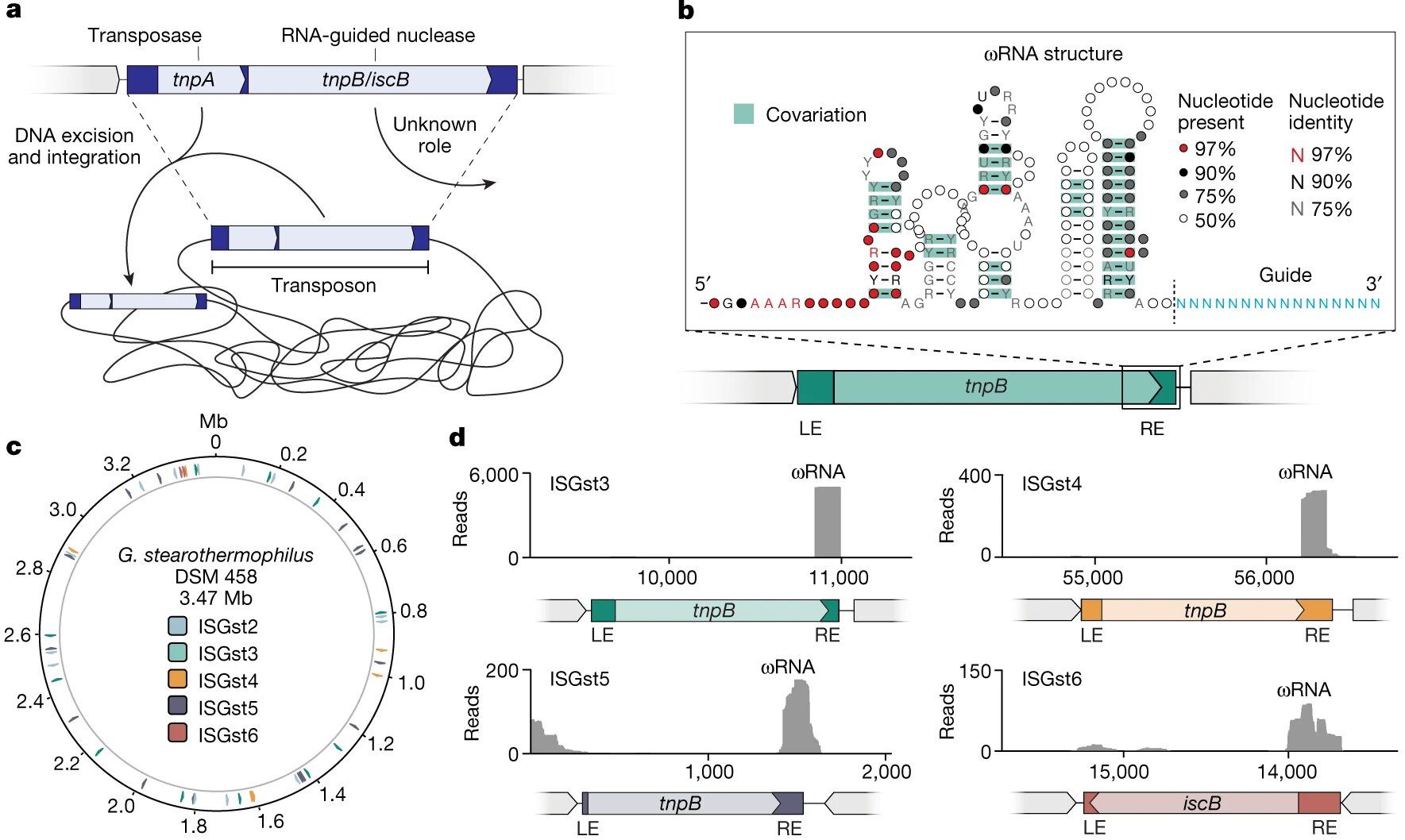
Researchers have traced the origins of CRISPR-Cas9, a powerful gene editing tool, to transposons, or "jumping genes," which carry RNA-guided DNA nucleases. By studying the movement of transposons in bacteria, scientists discovered that the DNA-cutting scissors prevent the extinction of transposons by guiding a copy of the transposon back to its original location after cutting the DNA. This "cut and copy" strategy allows transposons to proliferate and spread. The findings suggest that there may be other systems similar to CRISPR-Cas9 waiting to be discovered, which could be used for genome engineering in human cells.

The Selfish Spread of Transposon-encoded Nucleases: Unveiling Key Biological Processes
science-and-technology3 years ago

The Selfish Spread of Transposon-encoded Nucleases: Unveiling Key Biological Processes

Transposons, a type of mobile genetic element, have been found to encode nucleases that use guide RNAs to promote their own spread. These transposon-encoded nucleases function similarly to the CRISPR-Cas system, allowing them to target and cut specific DNA sequences. This discovery sheds light on the evolutionary relationship between transposons and CRISPR-Cas systems, and highlights the diverse mechanisms by which mobile genetic elements can influence genome editing and horizontal gene transfer in microbial populations.

The Evolutionary Significance of Transposons: Unveiling Their Role in Biological Processes
science3 years ago

The Evolutionary Significance of Transposons: Unveiling Their Role in Biological Processes

New research has revealed that transposons, also known as "selfish genes," play important and unexpected roles in biological processes. These jumping genes, which can move within the genome and generate new copies of themselves, make up over 45% of the human genome. While most transposon copies are inactive, a hundred copies belonging to the LINE family are potentially active and contribute to genetic processes. Studies have shown that transposons are essential for the development of the cerebral cortex, embryonic development, and gene regulation. These findings open up new avenues for research and potential treatments for neurodevelopmental and aging-related disorders.

science3 years ago

Inter-Species Gene Transfer Enabled by Selfish DNA

Researchers have discovered that certain roundworms carry a genetic element known as a Maverick, which is capable of transferring genes between species. Mavericks are massive mobile genetic elements that were previously thought to be inactive relics, but this study reveals their ability to mediate horizontal gene transfer. The Maverick in the roundworms contains viral genes and a fusogen protein, suggesting its ability to form virus-like particles and invade different cell types. Further research is needed to observe the Maverick in action and understand its mechanisms. This discovery could have practical applications in controlling parasites that infect agricultural crops and livestock. Additionally, similar massive transposons called Starships have been found in fungi, potentially playing a role in the spread of wheat diseases. Understanding these genetic transfer mechanisms is crucial for comprehending genome evolution.